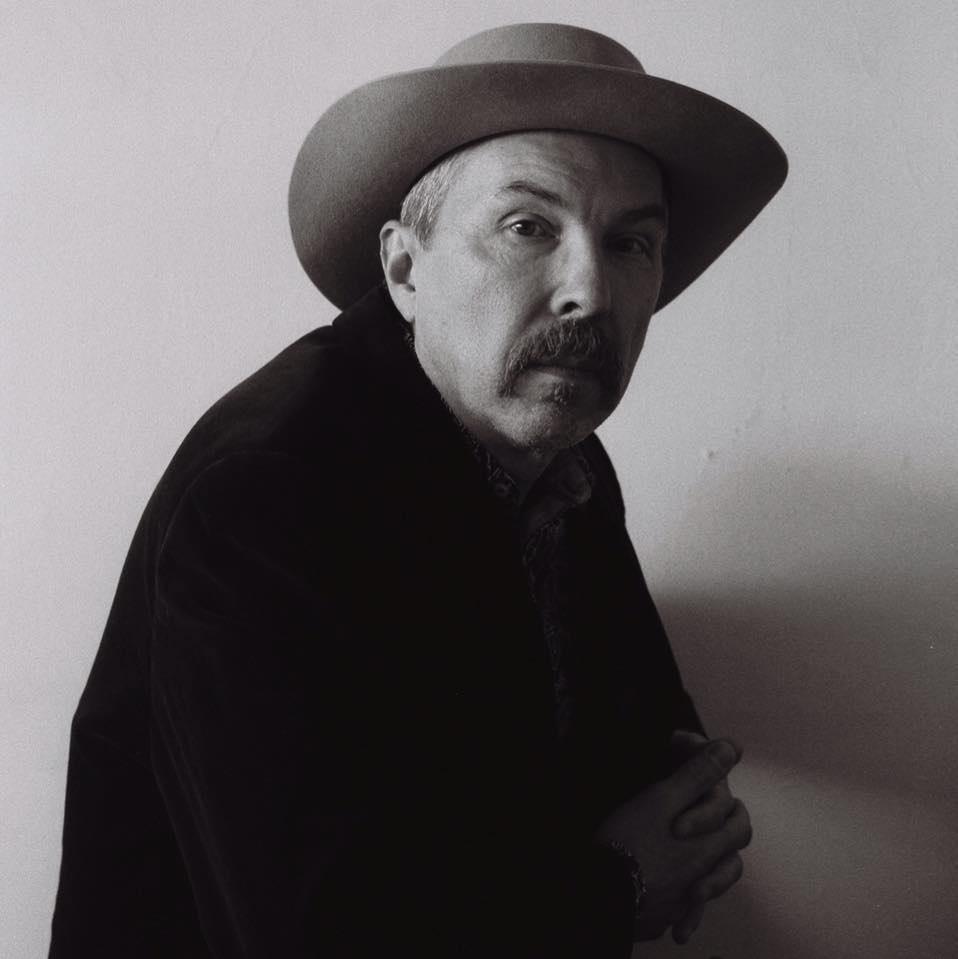
Chris Difford

Rock
Pop Rock
Other Electronic Music
 Viberate Rank: 181450
 Viberate Rank: 181450
 Monthly ListenersFollowers
 Subscribers
 Followers
 Followers
 FansTop Spotify Songs
| Track | 7-Day Streams | |
|---|---|---|
1 | 142 | |
2 | 86 | |
3 | 56 | |
4 | 37 | |
5 | 32 |
Top YouTube VideosMonthly ListenersFeatured in Playlists| Playlist | Followers | |
|---|---|---|
1 |  Squeeze: Complete Squeeze | 2.72K |
2 | The Guardian's 1000 Songs Kara McIntyre | 2.63K |
3 |  Bliss to be alive Real Lies | 2.32K |
4 |  The Daily Indie Playlist indieplaylist | 1.95K |
5 | Ash Soan Discog Ash Soan | 1.78K |
Audience| City | Monthly Listeners | |
|---|---|---|
1 | | 60 |
2 | | 17 |
3 | | 13 |
4 |  | 12 |
5 | | 9 |
See full performance history, audience data, playlist activity, rankings, comparisons, and more in Viberate music analytics. Start with a free trial, then continue with a paid plan.
Chris Difford’s Spotify BioLyricist/guitarist Chris Difford teamed with singer/composer Glenn Tilbrook to lead Squeeze, one of the most acclaimed and longest-lived bands to emerge from the new wave era. Often regarded as the Lennon and McCartney of their generation, the duo's smart, sophisticated brand of pop never achieved commercial success commensurate with their critical favor, although singles like "Pulling Mussels (From the Shell)," "Tempted," and "Black Coffee in Bed" remain timeless cult classics.
Born November 4, 1954, in London, Difford began writing and performing with Tilbrook in 1973, and the following year they formed Squeeze; the group's self-titled John Cale-produced debut LP followed in 1978, yielding the minor hit "Take Me, I'm Yours." Released in 1979, Cool for Cats was Squeeze's U.K. chart breakthrough, generating a pair of number two singles, "Up the Junction" and the title track. The follow-up, Argybargy, yielded the lesser hits "Another Nail in My Heart" and "Pulling Mussels (From the… Shell)," but solidified the group's critical standing on the strength of Difford's wry, literate wordplay and Tilbrook's crisp, clever melodies.
Squeeze's masterpiece, East Side Story, followed in 1981, scoring the band's biggest U.S. hit to date with the memorable "Tempted"; though 1982's Sweets from a Stranger cracked the U.S. Top 40, buoyed by the single "Black Coffee in Bed," creative exhaustion forced the band's breakup soon after. A 1983 hits collection, Singles 45's and Under, ultimately went platinum. After writing the Imperial Bedroom track "Boy with a Problem" with Elvis Costello, Difford resumed his collaboration with Tilbrook, composing songs for fellow Squeeze alum Jools Holland, as well as Paul Young, Billy Bremner, and Helen Shapiro. The duo also mounted Labeled with Love, a short-lived 1983 stage musical adapted from their songs.
A self-titled 1984 album credited simply to Difford and Tilbrook also appeared, but the following year they reunited Squeeze to release Cosi Fan Tutti Frutti. 1987's Babylon and On was their biggest U.S. hit, notching a pair of Top 40 singles in "Hourglass" and "853-5937," but subsequent efforts appealed almost exclusively to their devoted cult following. Difford went on hiatus from the group in 1999. He launched his solo career in 2003 with the album I Didn't Get Where I Am, which featured production and some songwriting help from Francis Dunnery. Capturing Difford live and playing classic Squeeze material, the CD/DVD combo South East Side Story appeared in 2006, followed by the cleverly titled The Last Temptation of Chris in 2008. Although a reunited Squeeze continued to be a going concern -- early in 2010, Difford announced that he and Tilbrook were writing new songs for the group -- Difford didn’t abandon his solo career: he released his third solo album, Cashmere if You Can, in the summer of 2011. The long-awaited Squeeze reunion album, Cradle to the Grave, finally materialized in 2015 and the group toured in support of it. In 2017, Difford's solo albums were boxed as the Chris to the Mill set, which also included a disc of demos. ~ Jason Ankeny, Rovi
Viberate is a music analytics platform built for A&Rs, artist managers, labels, booking agents, marketers, and artists.
It helps music professionals track artist growth, analyze audience data, monitor playlist activity, compare artists, follow song performance, and identify opportunities across the music market.
Public artist pages provide a free preview of selected artist data. Paid plans provide access to deeper analytics, historical data, charts, comparisons, playlist tools, exports, alerts, reports, and additional professional features.
Yes. Public Viberate artist pages provide selected artist analytics and music data for free.
Viberate also offers a 7-day free trial of the full platform. A credit card is required to start the trial. The trial includes access to the complete product so users can test deeper artist analytics, historical views, playlist insights, comparisons, charts, exports, alerts, and reporting features before choosing a paid plan.
Viberate provides artist analytics across streaming, playlists, social media, video, radio airplay, songs, and audience markets.
Users can analyze Spotify performance, Spotify and Apple Music playlists, YouTube activity, TikTok and Instagram growth, radio spins, song performance, audience locations, demographics, rankings, and overall artist momentum.
Artist profiles also connect to music charts, similar artists, and comparison tools, helping users benchmark performance and evaluate artists in context.
Viberate updates key artist and track data daily.
For followed artists and tracks, selected data is refreshed multiple times per day. This helps teams monitor playlist changes, streaming movement, audience growth, releases, and campaign performance with more current data.
Update frequency can vary depending on the metric and data source.
Yes. Viberate lets users compare up to five artists side by side across streaming, social media, audience, and engagement metrics.
Users can compare fanbase growth, audience demographics, locations, Spotify performance, social metrics, and other artist data over selected time periods.
Artist comparison can be used for A&R scouting, benchmarking, booking decisions, campaign planning, and evaluating artists with similar audiences or market positions.