Jale

Rock
Alternative Rock
Indie Rock
 Viberate Rank: 334268
 Viberate Rank: 334268
 Monthly ListenersFollowers
 Subscribers
 Followers
 Followers
 FansTop Spotify Songs
| Track | 7-Day Streams | |
|---|---|---|
1 | 218 | |
2 | 165 | |
3 | 87 | |
4 | 65 | |
5 | 41 |
Top YouTube VideosMonthly ListenersFeatured in Playlists| Playlist | Followers | |
|---|---|---|
1 | 90s Women of Alt-Rock mlkitaura | 14.61K |
2 | 120 Minutes full Archive frankspin | 7.87K |
3 |  Kafa yerde Ritimm Hep Dekors | 2.54K |
4 |  The 90s College Rock Station Ryan Schreiber | 1.69K |
5 |  Sub Pop Fall Songs Sub Pop | 1.58K |
Audience| City | Monthly Listeners | |
|---|---|---|
1 |  | 100 |
2 | | 72 |
3 | | 68 |
4 | | 65 |
5 | | 34 |
See full performance history, audience data, playlist activity, rankings, comparisons, and more in Viberate music analytics. Start with a free trial, then continue with a paid plan.
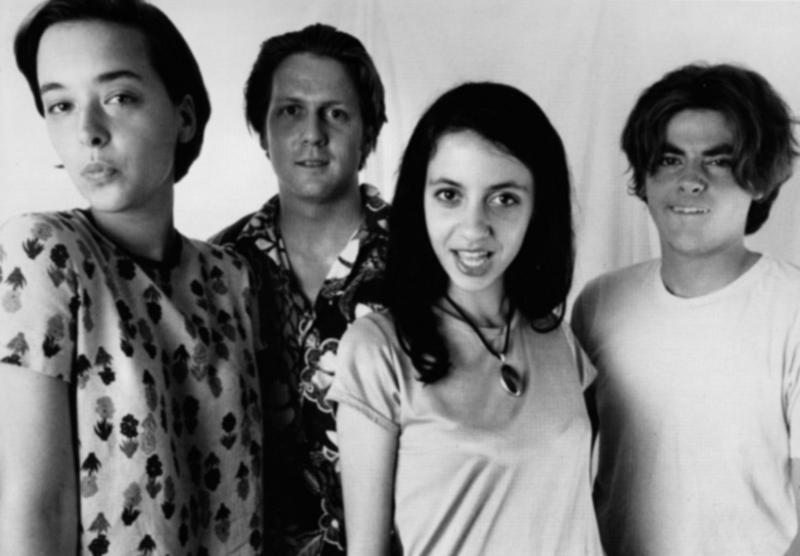
Jale’s Spotify BioA product of the same Halifax, Nova Scotia musical community which spawned Sloan and Eric's Trip, the sparkling indie-pop band Jale formed in April 1992 while its members were attending art school. Dubbing themselves Jale as an acronym of the first names of guitarist Jennifer Pierce, drummer Alyson MacLeod, bassist Laura Stein and guitarist Eve Hartling (all of whom shared vocal and songwriting chores), the group borrowed their instruments from friends and played their first show less than five weeks after forming. Soon they issued their debut single "Aunt Betty," followed by an appearance on the Sub Pop label's double seven-inch Halifax sampler Never Mind the Molluscs.
After a few more singles, Jale officially signed with Sub Pop to record 1994's Dreamcake, a stunning collection spotlighting the group's infectious melodies and shimmering harmonies. After the LP's release, the band recorded the 1995 EP Closed, followed by MacLeod's decision to exit to assume bass duties with Halifax's H…ardship Post. With new drummer Mike Belitsky, Jale travelled to Chicago to work with producer Brad Wood and resurfaced a year later with the stellar So Wound, highlighted by the should-have-been hit "All Ready." In early 1997, Hartling left the band to focus on raising a family; the remaining trio reformed as the Vees, issuing a self-titled EP on murderecords later that year. ~ Jason Ankeny, Rovi
Viberate is a music analytics platform built for A&Rs, artist managers, labels, booking agents, marketers, and artists.
It helps music professionals track artist growth, analyze audience data, monitor playlist activity, compare artists, follow song performance, and identify opportunities across the music market.
Public artist pages provide a free preview of selected artist data. Paid plans provide access to deeper analytics, historical data, charts, comparisons, playlist tools, exports, alerts, reports, and additional professional features.
Yes. Public Viberate artist pages provide selected artist analytics and music data for free.
Viberate also offers a 7-day free trial of the full platform. A credit card is required to start the trial. The trial includes access to the complete product so users can test deeper artist analytics, historical views, playlist insights, comparisons, charts, exports, alerts, and reporting features before choosing a paid plan.
Viberate provides artist analytics across streaming, playlists, social media, video, radio airplay, songs, and audience markets.
Users can analyze Spotify performance, Spotify and Apple Music playlists, YouTube activity, TikTok and Instagram growth, radio spins, song performance, audience locations, demographics, rankings, and overall artist momentum.
Artist profiles also connect to music charts, similar artists, and comparison tools, helping users benchmark performance and evaluate artists in context.
Viberate updates key artist and track data daily.
For followed artists and tracks, selected data is refreshed multiple times per day. This helps teams monitor playlist changes, streaming movement, audience growth, releases, and campaign performance with more current data.
Update frequency can vary depending on the metric and data source.
Yes. Viberate lets users compare up to five artists side by side across streaming, social media, audience, and engagement metrics.
Users can compare fanbase growth, audience demographics, locations, Spotify performance, social metrics, and other artist data over selected time periods.
Artist comparison can be used for A&R scouting, benchmarking, booking decisions, campaign planning, and evaluating artists with similar audiences or market positions.