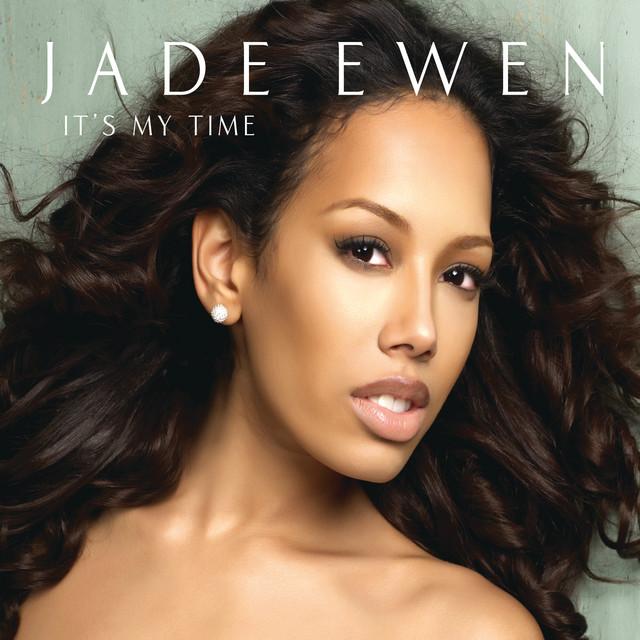
Jade Ewen

R&B
Contemporary R&B
Soul
Mainstream Pop
 Viberate Rank: 246383
 Viberate Rank: 246383
 Monthly ListenersFollowers
 Subscribers
 Followers
 Followers
 FansTop Spotify Songs
| Track | 7-Day Streams | |
|---|---|---|
1 | 587 | |
2 | 376 | |
3 | 376 | |
4 | 37 | |
5 | 8 |
Top YouTube VideosMonthly ListenersFeatured in Playlists| Playlist | Followers | |
|---|---|---|
1 | ESC TOP HITS Robert Stenberg | 44.61K |
2 |  Written By Ina Wroldsen Spotify | 16.88K |
3 |  Written By Diane Warren Spotify | 13.03K |
4 |  NOW That's What I Call Eurovision Song Contest C & D FABRY | 4.91K |
5 |  EUROVISION 2009 Martin Phillip Fjellanger | 4.36K |
Audience| City | Monthly Listeners | |
|---|---|---|
1 | | 190 |
2 | | 74 |
3 | | 42 |
4 | | 34 |
5 |  | 33 |
See full performance history, audience data, playlist activity, rankings, comparisons, and more in Viberate music analytics. Start with a free trial, then continue with a paid plan.
Jade Ewen’s Spotify BioJade Ewen is an R&B vocalist whose musical CV contains the eclectic roll-call of U.S. rapper Kwame, musical impresario Andrew Lloyd Webber, and ever-changing girl band Sugababes. Born in Plaistow, London in 1988 to a Jamaican mother and Scottish-Sicilian father, Ewen grew up as a young caregiver to her two parents, who both had registered disabilities, and younger siblings. After earning a scholarship to the Sylvia Young Theatre School, she appeared on The Bill and Casualty before landing the part of Nala in the West End production of The Lion King, and the role of Aggie Thackery in Australian children's drama Out There. In 2005, she made her first attempt at a pop career, as one fifth of Sony BMG-signed girl-group Trinity Stone, who released just one single, "Move a Little Closer," before disbanding two years later. Spotted by jazz-hip-hop artist Kwame through her MySpace page, she released a track through his Make Noise label and wrote songs for Booty Luv and Jessica Mauboy's debut… albums. She got her big break in 2009, when she was approached to compete in Your Country Needs You, the BBC talent show to find the U.K. Eurovision Song Contest entry, which she went onto win by a landslide. Accompanied by Andrew Lloyd Webber, who also co-wrote the track, her performance of "My Time" finished fifth in the competition, the U.K.'s highest placing for seven years. After signing to Polydor Records, her second single, "My Man," reached the Top 40, but in the same week, her solo ambitions were put on hold after she was invited to become the sixth member to join chart-topping Sugababes, replacing the group's last remaining original vocalist, Keisha Buchanan, in the process. She went onto re-record Buchanan's vocals for Sugababes' seventh studio album, Sweet 7, which was released in early 2010. ~ Jon O'Brien, Rovi
Viberate is a music analytics platform built for A&Rs, artist managers, labels, booking agents, marketers, and artists.
It helps music professionals track artist growth, analyze audience data, monitor playlist activity, compare artists, follow song performance, and identify opportunities across the music market.
Public artist pages provide a free preview of selected artist data. Paid plans provide access to deeper analytics, historical data, charts, comparisons, playlist tools, exports, alerts, reports, and additional professional features.
Yes. Public Viberate artist pages provide selected artist analytics and music data for free.
Viberate also offers a 7-day free trial of the full platform. A credit card is required to start the trial. The trial includes access to the complete product so users can test deeper artist analytics, historical views, playlist insights, comparisons, charts, exports, alerts, and reporting features before choosing a paid plan.
Viberate provides artist analytics across streaming, playlists, social media, video, radio airplay, songs, and audience markets.
Users can analyze Spotify performance, Spotify and Apple Music playlists, YouTube activity, TikTok and Instagram growth, radio spins, song performance, audience locations, demographics, rankings, and overall artist momentum.
Artist profiles also connect to music charts, similar artists, and comparison tools, helping users benchmark performance and evaluate artists in context.
Viberate updates key artist and track data daily.
For followed artists and tracks, selected data is refreshed multiple times per day. This helps teams monitor playlist changes, streaming movement, audience growth, releases, and campaign performance with more current data.
Update frequency can vary depending on the metric and data source.
Yes. Viberate lets users compare up to five artists side by side across streaming, social media, audience, and engagement metrics.
Users can compare fanbase growth, audience demographics, locations, Spotify performance, social metrics, and other artist data over selected time periods.
Artist comparison can be used for A&R scouting, benchmarking, booking decisions, campaign planning, and evaluating artists with similar audiences or market positions.