Scooch

Pop
Mainstream Pop
Dance
 Viberate Rank: 191930
 Viberate Rank: 191930
 Monthly ListenersFollowers
 Subscribers
 Followers
 Followers
 FansTop Spotify Songs
| Track | 7-Day Streams | |
|---|---|---|
1 | 3.18K | |
2 | 3.05K | |
3 | 2.59K | |
4 | 1.17K | |
5 | 794 |
Top YouTube VideosMonthly ListenersFeatured in Playlists| Playlist | Followers | |
|---|---|---|
1 |  Now 1 - 114 (1983 - 2023) Now That's What I Call Music 1 - 114 abundantmusic | 56.69K |
2 | ESC TOP HITS Robert Stenberg | 44.61K |
3 |  Best of Eurovision 00s Spotify | 37.24K |
4 | Simon Bradley | 23.39K |
5 |  Pop Party: All Albums Pop Party | 16.28K |
Audience| City | Monthly Listeners | |
|---|---|---|
1 | | 1.07K |
2 | | 784 |
3 | | 466 |
4 | | 396 |
5 |  | 168 |
See full performance history, audience data, playlist activity, rankings, comparisons, and more in Viberate music analytics. Start with a free trial, then continue with a paid plan.
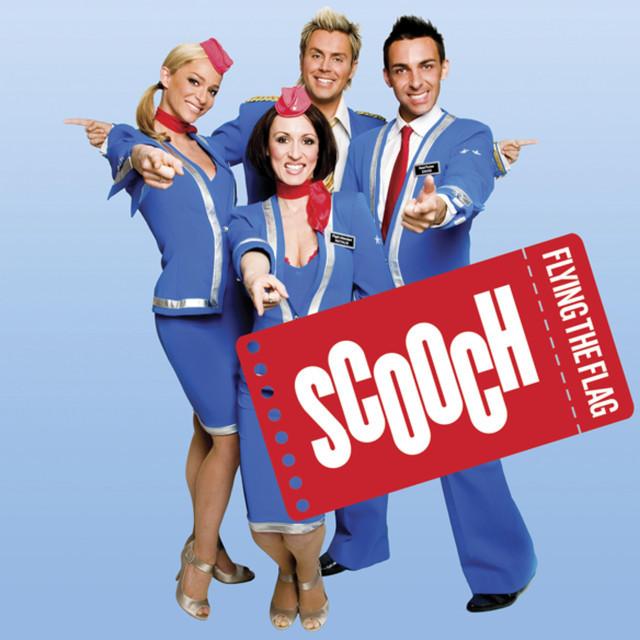
Scooch’s Spotify BioPop outfit Scooch are Natalie Powers, Russ Spencer, Caroline Barnes and David Ducasse. They represented the UK at the 2007 Eurovision Song Contest in Finland. The UK selection show ending with the now infamous gaffe from the late Sir Terry Wogan. Signed to Warner Records their entry ‘Flying The Flag (For You)’ stormed the UK singles charts to the No.5 position. To this day Scooch have the highest charting UK Eurovision single in over 20 years, since the country last won the competition in 1997.
Originally formed in 1998, when Mike Stock and Matt Aitken two thirds of the prolific production trio responsible for the careers of Kylie Minogue, Rick Astley and Jason Donovan put together a new boy/girl group. Chosen from hundreds of auditionees they signed to EMI’s pop imprint Accolade and released their first single ‘When My Baby’ at the end of 1999, their follow up single ‘More Than I Needed To Know’ reached No.5 in the UK and No.1 in Japan – where their debut album ‘Welcome To The Planet… Pop’ was released. In the UK it was renamed ‘Four Sure’ to coincide with their fourth single ‘For Sure’.
As great friends Scooch still reunite for special events. Most recently Russ and Natalie appeared on BBC's Celebrity Pointless, emerging as champions! And the group did a one of performance at London's iconic G-A-Y.
Viberate is a music analytics platform built for A&Rs, artist managers, labels, booking agents, marketers, and artists.
It helps music professionals track artist growth, analyze audience data, monitor playlist activity, compare artists, follow song performance, and identify opportunities across the music market.
Public artist pages provide a free preview of selected artist data. Paid plans provide access to deeper analytics, historical data, charts, comparisons, playlist tools, exports, alerts, reports, and additional professional features.
Yes. Public Viberate artist pages provide selected artist analytics and music data for free.
Viberate also offers a 7-day free trial of the full platform. A credit card is required to start the trial. The trial includes access to the complete product so users can test deeper artist analytics, historical views, playlist insights, comparisons, charts, exports, alerts, and reporting features before choosing a paid plan.
Viberate provides artist analytics across streaming, playlists, social media, video, radio airplay, songs, and audience markets.
Users can analyze Spotify performance, Spotify and Apple Music playlists, YouTube activity, TikTok and Instagram growth, radio spins, song performance, audience locations, demographics, rankings, and overall artist momentum.
Artist profiles also connect to music charts, similar artists, and comparison tools, helping users benchmark performance and evaluate artists in context.
Viberate updates key artist and track data daily.
For followed artists and tracks, selected data is refreshed multiple times per day. This helps teams monitor playlist changes, streaming movement, audience growth, releases, and campaign performance with more current data.
Update frequency can vary depending on the metric and data source.
Yes. Viberate lets users compare up to five artists side by side across streaming, social media, audience, and engagement metrics.
Users can compare fanbase growth, audience demographics, locations, Spotify performance, social metrics, and other artist data over selected time periods.
Artist comparison can be used for A&R scouting, benchmarking, booking decisions, campaign planning, and evaluating artists with similar audiences or market positions.