Ill Wind

Rock
Psychedelic Rock
 Viberate Rank: 512055
 Viberate Rank: 512055
 Monthly ListenersFollowers
 Subscribers
 Followers
 Followers
 FansTop Spotify SongsTop YouTube VideosMonthly ListenersFeatured in Playlists
| Playlist | Followers | |
|---|---|---|
1 |  witch season 🕯🌒🧚🏻♀️🍃🔮 SK ੈ✩‧₊˚ | 20.49K |
2 |  Obscure 60s/70s Psychedelic Rock Jason LeValley | 15.24K |
3 |  Now Again - Egon's Selections Egon | 14.09K |
4 | 60s Psychedelic Trip andreas1965-71 | 8.21K |
5 | Acid folk/Psychedelic folk Mikael Thomasson | 6.82K |
Audience| City | Monthly Listeners | |
|---|---|---|
1 |  | 3 |
See full performance history, audience data, playlist activity, rankings, comparisons, and more in Viberate music analytics. Start with a free trial, then continue with a paid plan.
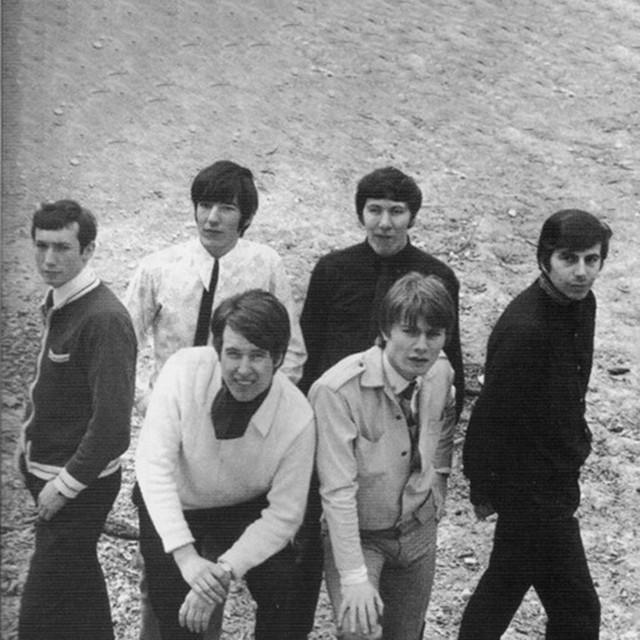
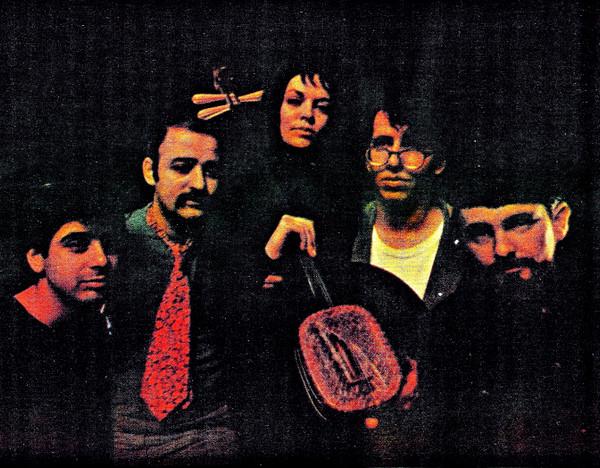
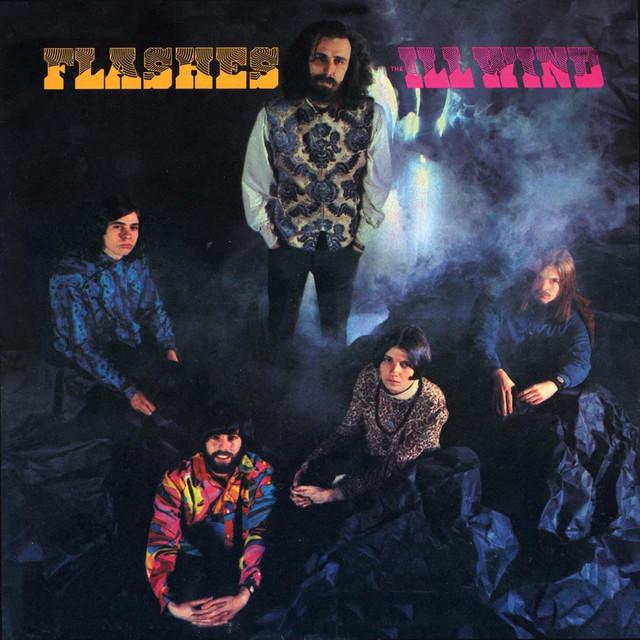
Ill Wind’s Spotify BioThe psychedelic group Ill Wind released just one album, and even though it was for a fairly big label (ABC), it was indeed ill-distributed and heard by few at the time. Like a number of late-'60s bands from Boston, Ill Wind suffered from the lack of a consistent musical direction and uneven material and production that didn't make the most of the bandmembers' assets, though there was some instrumental and vocal talent in the group. Their album, Flashes, was a tense, brooding stew of folk-rock and freaky psychedelia that didn't quite coalesce, with the stirring, assertive vocals of Conny Devaney the best ingredient. Although it was produced by one of the best producers in 1960s rock, Tom Wilson (who had worked with Bob Dylan, Simon & Garfunkel, the Mothers of Invention, and others), it didn't do much, and the Ill Wind disbanded at the end of 1968, though the group re-formed for a few months in 1970. ~ Richie Unterberger, Rovi
Viberate is a music analytics platform built for A&Rs, artist managers, labels, booking agents, marketers, and artists.
It helps music professionals track artist growth, analyze audience data, monitor playlist activity, compare artists, follow song performance, and identify opportunities across the music market.
Public artist pages provide a free preview of selected artist data. Paid plans provide access to deeper analytics, historical data, charts, comparisons, playlist tools, exports, alerts, reports, and additional professional features.
Yes. Public Viberate artist pages provide selected artist analytics and music data for free.
Viberate also offers a 7-day free trial of the full platform. A credit card is required to start the trial. The trial includes access to the complete product so users can test deeper artist analytics, historical views, playlist insights, comparisons, charts, exports, alerts, and reporting features before choosing a paid plan.
Viberate provides artist analytics across streaming, playlists, social media, video, radio airplay, songs, and audience markets.
Users can analyze Spotify performance, Spotify and Apple Music playlists, YouTube activity, TikTok and Instagram growth, radio spins, song performance, audience locations, demographics, rankings, and overall artist momentum.
Artist profiles also connect to music charts, similar artists, and comparison tools, helping users benchmark performance and evaluate artists in context.
Viberate updates key artist and track data daily.
For followed artists and tracks, selected data is refreshed multiple times per day. This helps teams monitor playlist changes, streaming movement, audience growth, releases, and campaign performance with more current data.
Update frequency can vary depending on the metric and data source.
Yes. Viberate lets users compare up to five artists side by side across streaming, social media, audience, and engagement metrics.
Users can compare fanbase growth, audience demographics, locations, Spotify performance, social metrics, and other artist data over selected time periods.
Artist comparison can be used for A&R scouting, benchmarking, booking decisions, campaign planning, and evaluating artists with similar audiences or market positions.