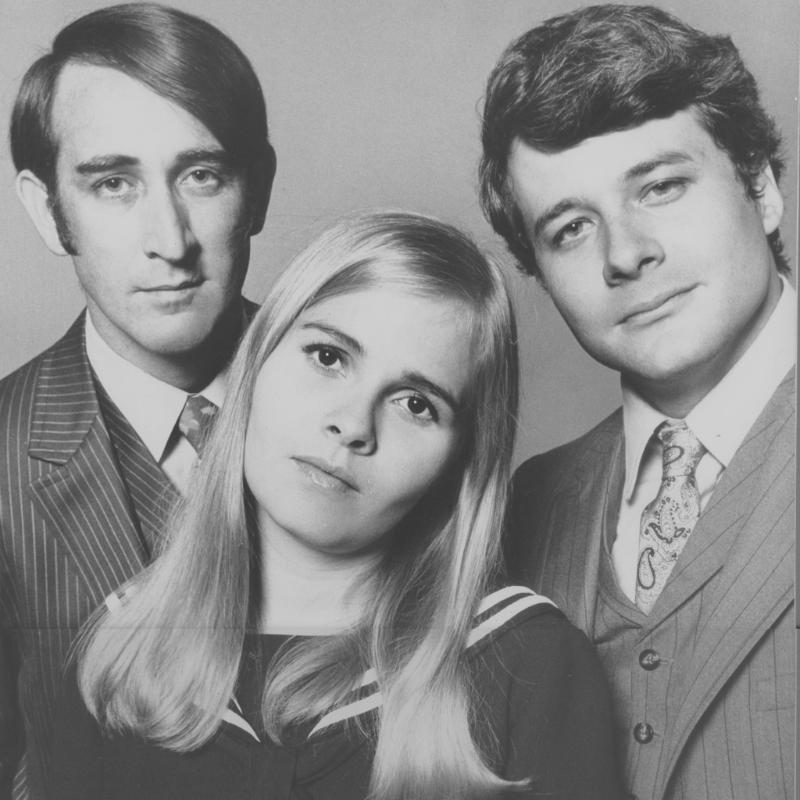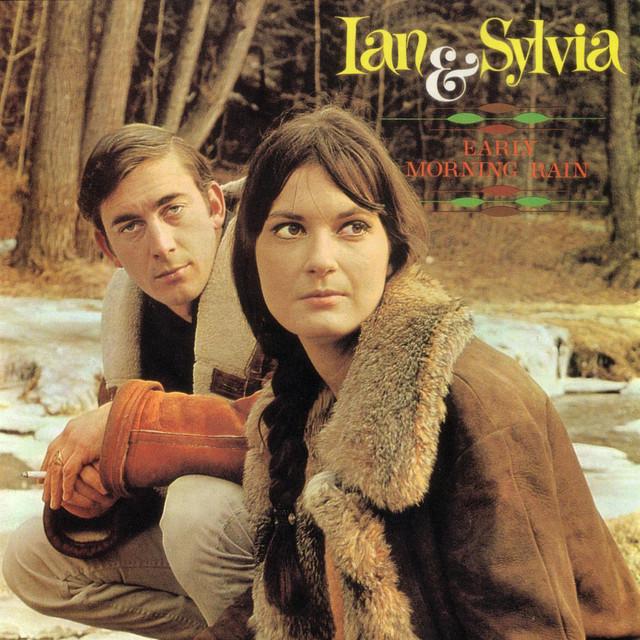
Ian & Sylvia

Rock
Folk Rock
Folk
 Viberate Rank: 180483
 Viberate Rank: 180483
 Monthly ListenersFollowers
 Subscribers
 Followers
 Followers
 FansTop Spotify Songs
| Track | 7-Day Streams | |
|---|---|---|
1 | 22.40K | |
2 | 12.82K | |
3 | 4.46K | |
4 | 3.34K | |
5 | 2.23K |
Top YouTube VideosMonthly ListenersFeatured in Playlists| Playlist | Followers | |
|---|---|---|
1 |  Essential Folk Spotify | 831.91K |
2 | 60s & 70s Folk Favorites Moving Mtn Worship | 30.40K |
3 |  crunchy granola rynpierce | 17.55K |
4 |  Phish Walk-In & Setbreak Music - PART I juliamordaunt | 14.28K |
5 |  Cowboy Songs Only! Ross P | 11.91K |
Audience| City | Monthly Listeners | |
|---|---|---|
1 |  | 1.46K |
2 | | 1.38K |
3 |  | 1.33K |
4 | | 1.02K |
5 |  | 1.00K |
See full performance history, audience data, playlist activity, rankings, comparisons, and more in Viberate music analytics. Start with a free trial, then continue with a paid plan.
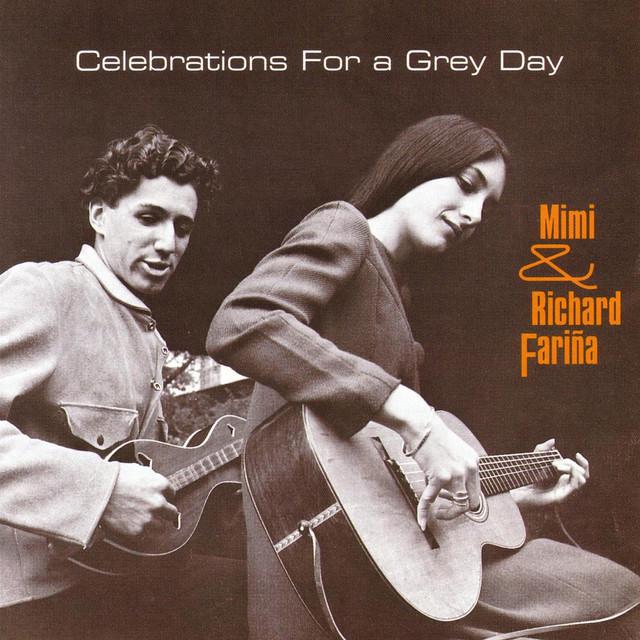
Ian & Sylvia’s Spotify BioOne of the most popular acts of the early-'60s folk revival, Canadian duo Ian Tyson and Sylvia Tyson made several fine albums that spotlighted their stirring harmonies on a mixture of traditional and contemporary material. While these recordings can seem a tad earnest and dated today, they were overlooked influences upon early folk-rockers such as the Jefferson Airplane, the We Five, the Mamas and the Papas, and Fairport Convention, all of whom utilized similar blends of male/female lead/harmony vocals. They were also inspirations to fellow Canadian singer/songwriters such as Neil Young, Joni Mitchell, and Gordon Lightfoot. Like most acoustic folkies, after the mid-'60s they moved into folk-rock and country-rock, though the results were less impressive than their early work.
Tyson took up folk music in his twenties while convalescing from a rodeo injury, and teamed up with Sylvia Fricker after moving to Toronto in the late '50s. In 1960, they moved to New York, where they were signed by… Albert Grossman, famous for managing Bob Dylan and Peter, Paul, and Mary. Their self-titled debut (1962) began a successful series of recordings for Vanguard, on which they helped expand the range of folk by adding bass (sometimes played by Spike Lee's father Bill) and mandolin to Ian's guitar and Sylvia's autoharp. Just as crucially, they ranged far afield for their repertoire, which encompassed not just traditional folk ballads, but bluegrass, country, spirituals, blues, hillbilly, gospel, and French-Canadian songs.
Ian & Sylvia were among the first to cover songs by Dylan, Lightfoot, Joni Mitchell, and Phil Ochs, and also began writing material of their own. Although original compositions were never at the forefront of their early LPs, a couple of them would become very influential indeed. Ian's "Four Strong Winds" would be covered by the Searchers and (in the '70s) Neil Young, and Sylvia's "You Were on My Mind," given a far poppier treatment by the We Five, became one of the first big folk-rock hits.
By 1966, Ian & Sylvia had started to rely primarily on original material, and begun to use electric instruments. While some of these tracks were outstanding, generally their folk-rock lacked the focus and consistency of their acoustic recordings. In the late '60s, they would take stabs at country-rock and straight country music, even hooking up with young producer Todd Rundgren for the 1970 album Great Speckled Bird. The quality of their records, and the size of their audience, declined steadily after they ended their association with Vanguard in 1967. In the '70s, they split up, professionally and personally (they had married in 1964). Both pursued solo careers: Ian's was far more successful, as he moved into country music, recording albums of songs with cowboy and rodeo themes that received much popular and critical acclaim in Canada. Ian Tyson died on December 29, 2022 in Longview, Alberta, Canada after struggling with cardiac illness. He was 89 years of age. ~ Richie Unterberger, Rovi
Viberate is a music analytics platform built for A&Rs, artist managers, labels, booking agents, marketers, and artists.
It helps music professionals track artist growth, analyze audience data, monitor playlist activity, compare artists, follow song performance, and identify opportunities across the music market.
Public artist pages provide a free preview of selected artist data. Paid plans provide access to deeper analytics, historical data, charts, comparisons, playlist tools, exports, alerts, reports, and additional professional features.
Yes. Public Viberate artist pages provide selected artist analytics and music data for free.
Viberate also offers a 7-day free trial of the full platform. A credit card is required to start the trial. The trial includes access to the complete product so users can test deeper artist analytics, historical views, playlist insights, comparisons, charts, exports, alerts, and reporting features before choosing a paid plan.
Viberate provides artist analytics across streaming, playlists, social media, video, radio airplay, songs, and audience markets.
Users can analyze Spotify performance, Spotify and Apple Music playlists, YouTube activity, TikTok and Instagram growth, radio spins, song performance, audience locations, demographics, rankings, and overall artist momentum.
Artist profiles also connect to music charts, similar artists, and comparison tools, helping users benchmark performance and evaluate artists in context.
Viberate updates key artist and track data daily.
For followed artists and tracks, selected data is refreshed multiple times per day. This helps teams monitor playlist changes, streaming movement, audience growth, releases, and campaign performance with more current data.
Update frequency can vary depending on the metric and data source.
Yes. Viberate lets users compare up to five artists side by side across streaming, social media, audience, and engagement metrics.
Users can compare fanbase growth, audience demographics, locations, Spotify performance, social metrics, and other artist data over selected time periods.
Artist comparison can be used for A&R scouting, benchmarking, booking decisions, campaign planning, and evaluating artists with similar audiences or market positions.