I Nine

Rock
Pop Rock
Mainstream Pop
 Viberate Rank: 316610
 Viberate Rank: 316610
 Monthly ListenersFollowers
 Subscribers
 Followers
 Followers
 FansTop Spotify Songs
| Track | 7-Day Streams | |
|---|---|---|
1 | 728 | |
2 | 346 | |
3 | 28 | |
4 | 23 | |
5 | 16 |
Top YouTube VideosMonthly ListenersFeatured in Playlists| Playlist | Followers | |
|---|---|---|
1 | Elizabethtown Soundtrack Shaylin Patterson | 16.08K |
2 |  Elizabethtown | Soundtrack Wendell Soares | 8.42K |
3 | Zach Braff's iPod 121696701 | 5.01K |
4 | Ho Hey – The Lumineers Johnnieflh | 4.15K |
5 |  Songs From The 2000s You Probably Forgot About Spencer Barrett | 3.46K |
Audience| City | Monthly Listeners | |
|---|---|---|
1 | | 40 |
2 | | 37 |
3 | | 36 |
4 |  | 34 |
5 | | 31 |
See full performance history, audience data, playlist activity, rankings, comparisons, and more in Viberate music analytics. Start with a free trial, then continue with a paid plan.
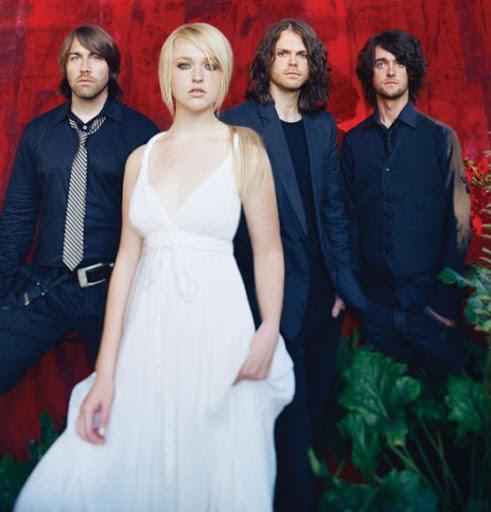
I Nine’s Spotify BioHailing from central South Carolina, the female-fronted pop/rock quintet I Nine first appeared in 2005, having received a personal invitation from screenwriter/director Cameron Crowe to appear on the motion picture soundtrack for Elizabethtown. The fresh-faced band -- comprised of vocalist Carmen Keigans, cellist/guitarist Bryan Gibson, guitarist Brian Whitman, and bassist Matt Heath -- had formed one year prior in Orangeburg, a sleepy town whose scant population required I Nine to play most of their early gigs in nearby Columbia. Seeking to pursue their craft in a more urban environment, the quintet soon relocated to Atlanta, GA, where they contributed to the Elizabethtown soundtrack and released their Live EP in 2005. Two years later, I Nine released the radio single "Seven Days of Lonely" to drum up support for their impending full-length debut, Heavy Weighs the King, scheduled for national release in 2008. ~ Andrew Leahey, Rovi
Viberate is a music analytics platform built for A&Rs, artist managers, labels, booking agents, marketers, and artists.
It helps music professionals track artist growth, analyze audience data, monitor playlist activity, compare artists, follow song performance, and identify opportunities across the music market.
Public artist pages provide a free preview of selected artist data. Paid plans provide access to deeper analytics, historical data, charts, comparisons, playlist tools, exports, alerts, reports, and additional professional features.
Yes. Public Viberate artist pages provide selected artist analytics and music data for free.
Viberate also offers a 7-day free trial of the full platform. A credit card is required to start the trial. The trial includes access to the complete product so users can test deeper artist analytics, historical views, playlist insights, comparisons, charts, exports, alerts, and reporting features before choosing a paid plan.
Viberate provides artist analytics across streaming, playlists, social media, video, radio airplay, songs, and audience markets.
Users can analyze Spotify performance, Spotify and Apple Music playlists, YouTube activity, TikTok and Instagram growth, radio spins, song performance, audience locations, demographics, rankings, and overall artist momentum.
Artist profiles also connect to music charts, similar artists, and comparison tools, helping users benchmark performance and evaluate artists in context.
Viberate updates key artist and track data daily.
For followed artists and tracks, selected data is refreshed multiple times per day. This helps teams monitor playlist changes, streaming movement, audience growth, releases, and campaign performance with more current data.
Update frequency can vary depending on the metric and data source.
Yes. Viberate lets users compare up to five artists side by side across streaming, social media, audience, and engagement metrics.
Users can compare fanbase growth, audience demographics, locations, Spotify performance, social metrics, and other artist data over selected time periods.
Artist comparison can be used for A&R scouting, benchmarking, booking decisions, campaign planning, and evaluating artists with similar audiences or market positions.