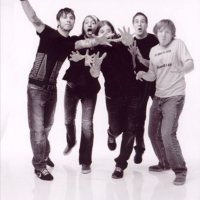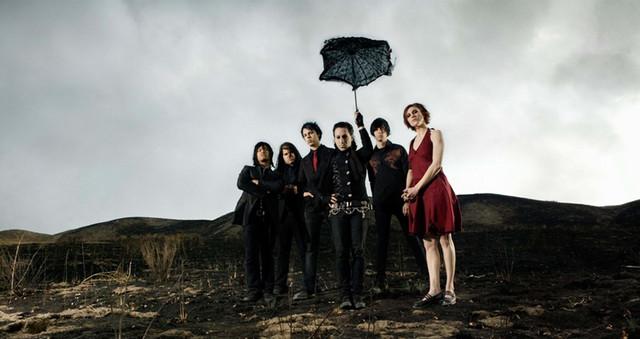
I Am Ghost

Punk
Hardcore Punk
Post Hardcore
 Viberate Rank: 188251
 Viberate Rank: 188251
 Monthly ListenersFollowers
 Subscribers
 Followers
 Followers
 FansTop Spotify Songs
| Track | 7-Day Streams | |
|---|---|---|
1 | 3.05K | |
2 | 1.83K | |
3 | 1.56K | |
4 | 842 | |
5 | 689 |
Top YouTube VideosMonthly ListenersFeatured in Playlists| Playlist | Followers | |
|---|---|---|
1 | Screamo/Post-Hardcore/Metalcore/Emocore Billy Storm | 31.91K |
2 |  Metal/Rock exsorz | 10.80K |
3 |  Ultimate Workout Playlist (Updated Weekly) Bodybuilding.com | 10.22K |
4 | Scene Kid Days aplqueue | 8.01K |
5 |  Zacky's Music Choices! 👻 (Emo/Post-Hardcore/Metalcore/Pop Punk) Zack Meegan | 7.77K |
Audience| City | Monthly Listeners | |
|---|---|---|
1 | | 274 |
2 | | 259 |
3 | | 196 |
4 | | 180 |
5 | | 180 |
See full performance history, audience data, playlist activity, rankings, comparisons, and more in Viberate music analytics. Start with a free trial, then continue with a paid plan.
I Am Ghost’s Spotify BioFirst, back in the early flush of punk, there was the alluringly spooky Siouxsie and the Banshees, followed quickly by the reunited second go-round of the Damned, when singer Dave Vanian's comic book interpretations of Dracula and other horror-themed subjects were the band's primary focus. Then, in the mid-'80s alongside the multi-genre flowering of goth culture, there was both the hard-edged and punky Los Angeles "death rock" scene established by .45 Grave and Christian Death and the goofy, glammy London Batcave scene exemplified by Alien Sex Fiend. After that, goth-punk largely went dormant for a number of years until the unabashedly gothy My Chemical Romance and the Dresden Dolls burst onto the scene. Suddenly the mixture of goth's camp, lurid romanticism and the equally self-involved concerns of the contemporary emo scene was a logical one, and into the breach stepped I Am Ghost.
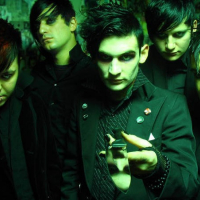
Formed in Long Beach, CA, in 2004, I Am Ghost take their sartorial cues from the velvet, lace, and lotsa… eyeliner end of the goth continuum, and their musical ones from the more progressive end of the post-hardcore and emo scenes. Forming around the nucleus of singer Steven Juliano and violinist and singer Kerith Marcantonio, I Am Ghost quickly added guitarists Gabriel Iraheta and Timoteo Rosales, bassist and keyboardist Brian Thomas, and drummer Ryan Seaman to the lineup, creating a signature blend of punky aggression and ethereal dreaminess. In time, Marcantonio and Thomas would tie the knot, legally becoming the happy couple of Kerith and Brian Telestai. A homemade demo CD called We Are Always Searching was sold at shows and shopped to labels until the stalwart punk indie Epitaph signed I Am Ghost in 2005 and reissued a remastered edition of the album in a new sleeve. Somewhat incongruously, the band also played the Vans Warped Tour that summer. I Am Ghost's second album, Lovers' Requiem, unashamedly described by the band as a rock opera, was released by Epitaph in the fall of 2006. It was followed in 2008 by the more accessible Those We Leave Behind. ~ Stewart Mason, Rovi
Viberate is a music analytics platform built for A&Rs, artist managers, labels, booking agents, marketers, and artists.
It helps music professionals track artist growth, analyze audience data, monitor playlist activity, compare artists, follow song performance, and identify opportunities across the music market.
Public artist pages provide a free preview of selected artist data. Paid plans provide access to deeper analytics, historical data, charts, comparisons, playlist tools, exports, alerts, reports, and additional professional features.
Yes. Public Viberate artist pages provide selected artist analytics and music data for free.
Viberate also offers a 7-day free trial of the full platform. A credit card is required to start the trial. The trial includes access to the complete product so users can test deeper artist analytics, historical views, playlist insights, comparisons, charts, exports, alerts, and reporting features before choosing a paid plan.
Viberate provides artist analytics across streaming, playlists, social media, video, radio airplay, songs, and audience markets.
Users can analyze Spotify performance, Spotify and Apple Music playlists, YouTube activity, TikTok and Instagram growth, radio spins, song performance, audience locations, demographics, rankings, and overall artist momentum.
Artist profiles also connect to music charts, similar artists, and comparison tools, helping users benchmark performance and evaluate artists in context.
Viberate updates key artist and track data daily.
For followed artists and tracks, selected data is refreshed multiple times per day. This helps teams monitor playlist changes, streaming movement, audience growth, releases, and campaign performance with more current data.
Update frequency can vary depending on the metric and data source.
Yes. Viberate lets users compare up to five artists side by side across streaming, social media, audience, and engagement metrics.
Users can compare fanbase growth, audience demographics, locations, Spotify performance, social metrics, and other artist data over selected time periods.
Artist comparison can be used for A&R scouting, benchmarking, booking decisions, campaign planning, and evaluating artists with similar audiences or market positions.