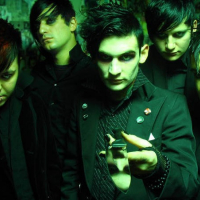
Aiden

Punk
Punk Rock
Screamo
 Viberate Rank: 96747
 Viberate Rank: 96747
 Monthly ListenersFollowers
 Subscribers
 Followers
 Followers
 FansTop Spotify Songs
| Track | 7-Day Streams | |
|---|---|---|
1 | 14.00K | |
2 | 12.90K | |
3 | 6.29K | |
4 | 4.94K | |
5 | 3.85K |
Top YouTube Videos| Video | 7-Day Views | |
|---|---|---|
1 | 3.35K | |
2 | 2.28K | |
3 | 1.47K | |
4 | 1.11K | |
5 | 719 |
Monthly ListenersFeatured in Playlists| Playlist | Followers | |
|---|---|---|
1 |  Chaos Anthems Spotify | 541.41K |
2 | igor | 97.08K |
3 | 2000's Emo & Pop Punk Jorden Z | 53.69K |
4 |  Top Hit Tamil Songs 😍 2000-2025 💖 Ponraj | 49.32K |
5 |  Emo Never Dies! Ghost Killer Entertainment | 49.36K |
Audience| City | Monthly Listeners | |
|---|---|---|
1 | | 1.46K |
2 | | 1.36K |
3 | | 1.11K |
4 | | 1.03K |
5 |  | 962 |
See full performance history, audience data, playlist activity, rankings, comparisons, and more in Viberate music analytics. Start with a free trial, then continue with a paid plan.
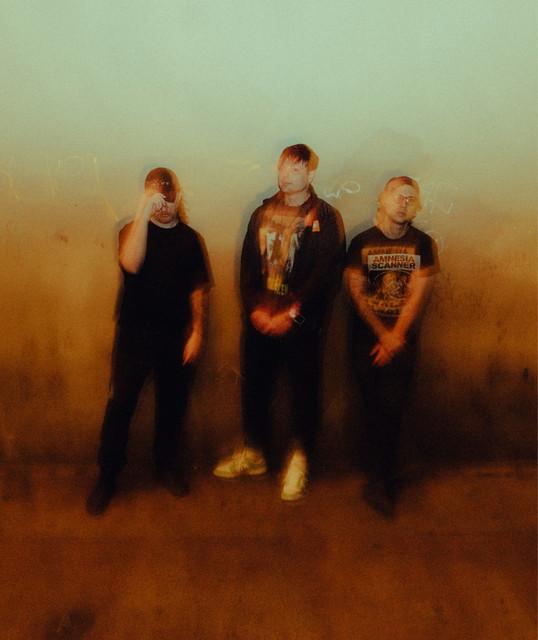
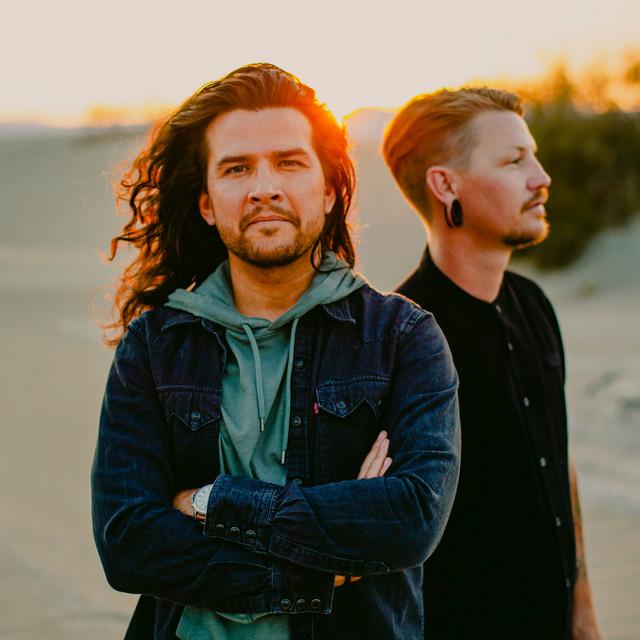
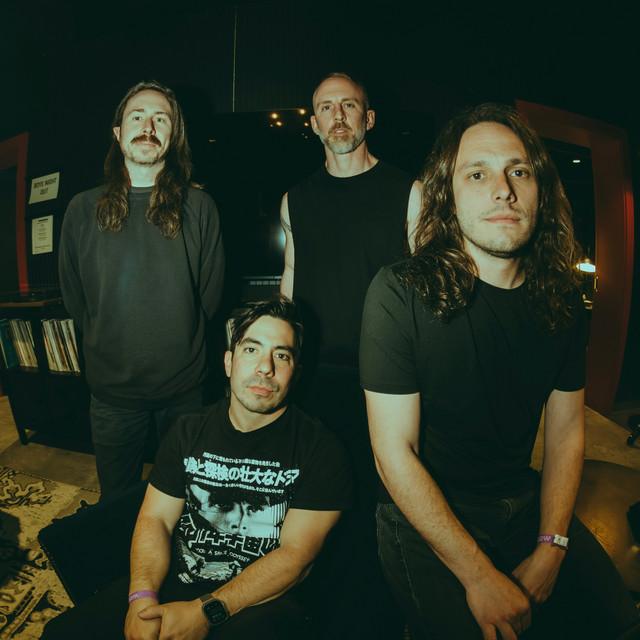
Aiden’s Spotify BioHailing from rainy Seattle, Aiden combine post-hardcore and punk attitudes with gothic aesthetics and a love of all things horror (not to mention, of course, the Misfits) to create surging, darkly melodic music. Aiden formed in the spring of 2003 while the bandmembers were still in high school, taking their name from the young ghost-seeing boy in the 2002 horror flick The Ring. A few lineup changes occurred early on; the quintet -- Nick Wiggins (bass), Jake Davison (drums), Angel Ibarra (guitar), Jake Wambold (guitar), and William "wiL" Francis (vocals) -- was solidified, however, before entering the studio in December 2004 to record its debut full-length, Our Gang's Dark Oath. Making two-song samplers of their album, Aiden managed to pass out a few thousand copies around town, sparking a word-of-mouth buzz all over Seattle. Their debut was released in June 2004 on Dead Teenager, and the band played countless shows throughout the year -- whenever school would allow. The hard work paid… off quickly, and the group inked a deal with Victory Records by December.
All the bandmembers were finally done with high school by June 2005, and Aiden were free to tour, jumping on the road that summer with the Hurt Process, the Audition, and the Junior Varsity. Their first label effort, Nightmare Anatomy, appeared in October 2005, proving to be a slickly energetic record with undeniable hooks despite somewhat morose lyrical content. Touring with labelmates Hawthorne Heights, Bayside, and Silverstein rounded out the year before Aiden headed back out to support 30 Seconds to Mars nationwide in the first half of 2006. Victory then re-released Our Gang's Dark Oath with new artwork in April 2006, the Rain in Hell EP arriving just in time for that year's Halloween. In August of 2007, Aiden issued Conviction, an album that took them away from their screamo tendencies toward more rock-oriented, melodic terrain. In 2009, the band made a return to its post-hardcore form with Knives, and followed up quickly with the live album From Hell... With Love, released in 2010. Later that year, the band went into the studio to begin work on its fifth album, Disguises. Produced by Francis, the album was released in 2011. Just five months later, Aiden announced that they already had another album in the works, and in the fall of 2011 they made good on their promise, releasing their sixth studio album, Some Kind of Hate. ~ Corey Apar, Rovi
Viberate is a music analytics platform built for A&Rs, artist managers, labels, booking agents, marketers, and artists.
It helps music professionals track artist growth, analyze audience data, monitor playlist activity, compare artists, follow song performance, and identify opportunities across the music market.
Public artist pages provide a free preview of selected artist data. Paid plans provide access to deeper analytics, historical data, charts, comparisons, playlist tools, exports, alerts, reports, and additional professional features.
Yes. Public Viberate artist pages provide selected artist analytics and music data for free.
Viberate also offers a 7-day free trial of the full platform. A credit card is required to start the trial. The trial includes access to the complete product so users can test deeper artist analytics, historical views, playlist insights, comparisons, charts, exports, alerts, and reporting features before choosing a paid plan.
Viberate provides artist analytics across streaming, playlists, social media, video, radio airplay, songs, and audience markets.
Users can analyze Spotify performance, Spotify and Apple Music playlists, YouTube activity, TikTok and Instagram growth, radio spins, song performance, audience locations, demographics, rankings, and overall artist momentum.
Artist profiles also connect to music charts, similar artists, and comparison tools, helping users benchmark performance and evaluate artists in context.
Viberate updates key artist and track data daily.
For followed artists and tracks, selected data is refreshed multiple times per day. This helps teams monitor playlist changes, streaming movement, audience growth, releases, and campaign performance with more current data.
Update frequency can vary depending on the metric and data source.
Yes. Viberate lets users compare up to five artists side by side across streaming, social media, audience, and engagement metrics.
Users can compare fanbase growth, audience demographics, locations, Spotify performance, social metrics, and other artist data over selected time periods.
Artist comparison can be used for A&R scouting, benchmarking, booking decisions, campaign planning, and evaluating artists with similar audiences or market positions.