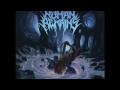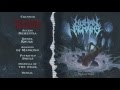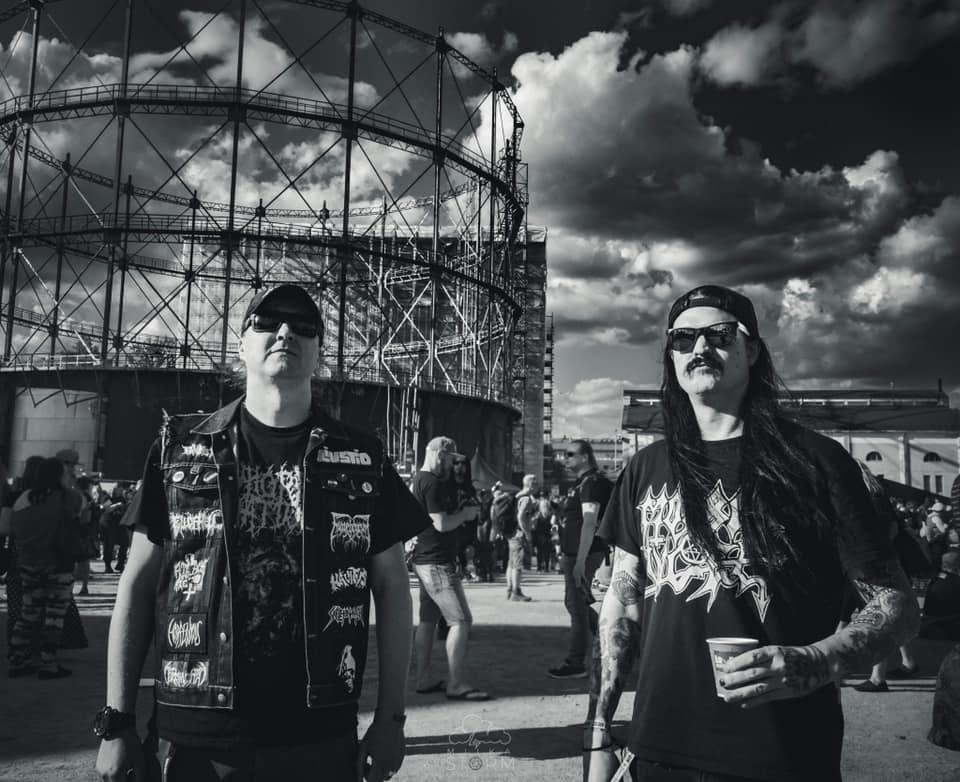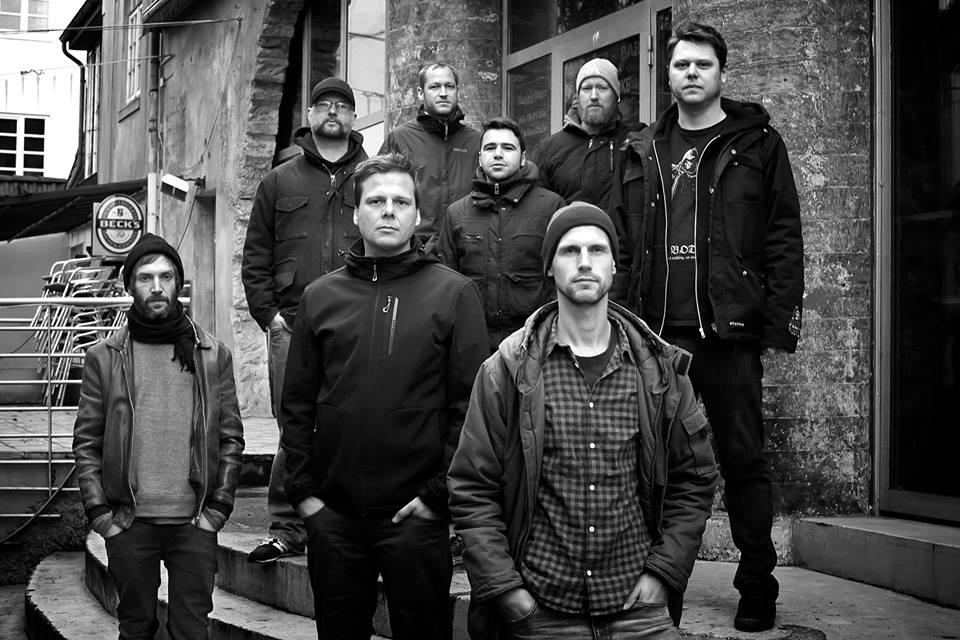
Human Remains

Metal
Death Metal
Grindcore
 Viberate Rank: 438003
 Viberate Rank: 438003
 Monthly ListenersFollowers
 Subscribers
 Followers
 Followers
 FansTop Spotify Songs
| Track | 7-Day Streams | |
|---|---|---|
1 | 186 | |
2 | 151 | |
3 | 138 | |
4 | 111 | |
5 | 97 |
Top YouTube VideosMonthly ListenersFeatured in Playlists| Playlist | Followers | |
|---|---|---|
1 | Metal🤘🏻 Naydil González | 16.45K |
2 |  The Sound of Grindcore The Sounds of Spotify | 5.22K |
3 |  Early Death Metal: The '80s & '90s Loudwire | 4.92K |
4 |  Death Metal Old School (1990-2000) Fernando Pires | 4.52K |
5 | Death Metal (80s & 90s) kburke138 | 3.20K |
Audience| City | Monthly Listeners | |
|---|---|---|
1 |  | 22 |
2 | | 22 |
3 | | 17 |
4 | | 16 |
5 | | 15 |
See full performance history, audience data, playlist activity, rankings, comparisons, and more in Viberate music analytics. Start with a free trial, then continue with a paid plan.
Human Remains’ Spotify BioDespite having an official discography that clocked in at less than 40 minutes, New Jersey's Human Remains proved to be heavily influential on the more experimental edges of the grindcore and death metal scenes, as well as a key influence on the so-called noisecore scene that developed in the late '90s (as exemplified by bands such as fellow New Jersey-ites the Dillinger Escape Plan). Human Remains' sound blended together aspects of grindcore, hardcore, and some death metal, but with an unusual, cliché-free approach to songwriting. They had one of the standout grindcore drummers in Dave Witte (also known for his work in Discordance Axis, Burnt by the Sun, and Atomsmasher) as well as a powerful vocalist in Paul Miller, who had one of the most guttural, phlegm-soaked deliveries outside of Obituary's notorious John Tardy. Meanwhile, guitarists Steve Procopio and James Baglino also had an interesting approach to their instruments, incorporating novel dissonances and sound effects into… their playing.
Human Remains formed in 1989, at which time they were rounded out by bassist Ted Patterson in addition to Miller, Witte, Procopio, and Baglino. They recorded a few demos and one 7" with this lineup, before a new bassist, William Carl Black, came on board to replace Patterson. This lineup recorded one EP, the six-song Using Sickness as a Hero, which was released by Relapse Records in 1996. By this time, though, the band had already broken up. Various members of the group went on to play with other bands: Baglino joined the hardcore/noisecore band Deadguy; Black formed a Zappa-esque jazz-rock-klezmer group called the Dmitri Guerevitch Quintet; and Witte stayed busy with other bands including Discordance Axis, Major Burns, and Black Army Jacket. By 1999, Witte had gotten back together with Patterson in the noisecore/metalcore quintet Burnt by the Sun. Finally, in 2002, with interest in Human Remains still relatively high considering their small recorded output, Relapse released a double-disc anthology of all the band's official recordings and demos, entitled Where Were You When. ~ William York, Rovi
Viberate is a music analytics platform built for A&Rs, artist managers, labels, booking agents, marketers, and artists.
It helps music professionals track artist growth, analyze audience data, monitor playlist activity, compare artists, follow song performance, and identify opportunities across the music market.
Public artist pages provide a free preview of selected artist data. Paid plans provide access to deeper analytics, historical data, charts, comparisons, playlist tools, exports, alerts, reports, and additional professional features.
Yes. Public Viberate artist pages provide selected artist analytics and music data for free.
Viberate also offers a 7-day free trial of the full platform. A credit card is required to start the trial. The trial includes access to the complete product so users can test deeper artist analytics, historical views, playlist insights, comparisons, charts, exports, alerts, and reporting features before choosing a paid plan.
Viberate provides artist analytics across streaming, playlists, social media, video, radio airplay, songs, and audience markets.
Users can analyze Spotify performance, Spotify and Apple Music playlists, YouTube activity, TikTok and Instagram growth, radio spins, song performance, audience locations, demographics, rankings, and overall artist momentum.
Artist profiles also connect to music charts, similar artists, and comparison tools, helping users benchmark performance and evaluate artists in context.
Viberate updates key artist and track data daily.
For followed artists and tracks, selected data is refreshed multiple times per day. This helps teams monitor playlist changes, streaming movement, audience growth, releases, and campaign performance with more current data.
Update frequency can vary depending on the metric and data source.
Yes. Viberate lets users compare up to five artists side by side across streaming, social media, audience, and engagement metrics.
Users can compare fanbase growth, audience demographics, locations, Spotify performance, social metrics, and other artist data over selected time periods.
Artist comparison can be used for A&R scouting, benchmarking, booking decisions, campaign planning, and evaluating artists with similar audiences or market positions.