Hotwire

Metal
Alternative Metal
 Viberate Rank: 418282
 Viberate Rank: 418282
 Monthly ListenersFollowers
 Subscribers
 Followers
 Followers
 FansTop Spotify Songs
| Track | 7-Day Streams | |
|---|---|---|
1 | 7.94K | |
2 | 165 | |
3 | 87 | |
4 | 72 | |
5 | 51 |
Top YouTube VideosMonthly ListenersFeatured in Playlists| Playlist | Followers | |
|---|---|---|
1 |  Need for Speed: Underground Need for Speed | 143.42K |
2 | Need 4 Speed UnderGround One & 2 NiklasLejon | 45.30K |
3 |  NFS Underground OST trussssssmidadi | 22.27K |
4 |  Need For Speed Soundtracks 12168387002 | 12.05K |
5 |  TUDO JUNTO TheDarknessPGDM | 10.70K |
Audience| City | Monthly Listeners | |
|---|---|---|
1 |  | 614 |
2 |  | 324 |
3 |  | 287 |
4 |  | 283 |
5 |  | 211 |
See full performance history, audience data, playlist activity, rankings, comparisons, and more in Viberate music analytics. Start with a free trial, then continue with a paid plan.
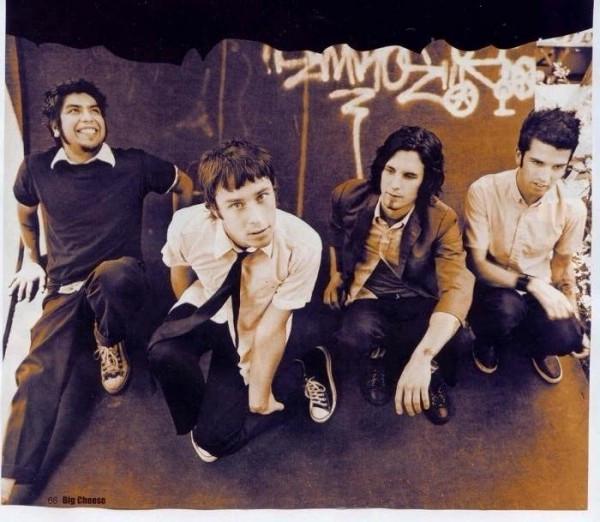
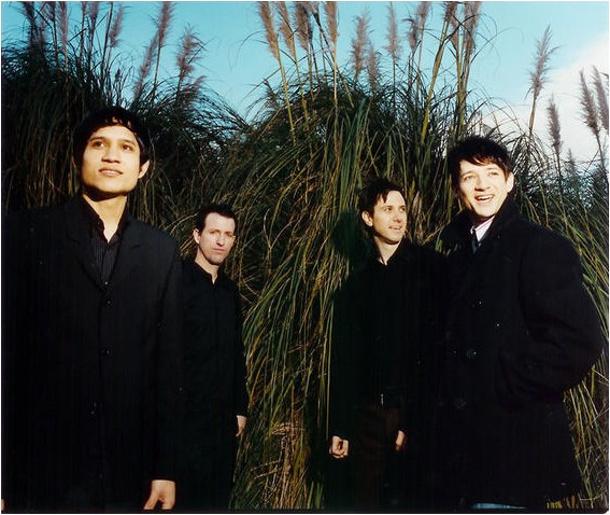
Hotwire’s Spotify BioNewbury Park, CA's Hotwire included guitarist/vocalist Rus Martin, guitarist Gabe Garcia, bassist Dan Hartman, and drummer Brian Borg. The four came together after playing in various metal, punk, and hardcore combos throughout high school. As Hotwire, the sound became riff-heavy metal with vocals and dynamics influenced by post-hardcore types like Refused and Quicksand. The band recorded a few demos, and began playing shows throughout the suburban sprawl of Southern California alongside bands like Incubus, Linkin Park, Hoobastank, and Audiovent; all of which would find fame on major labels looking for the next loud thing. Soon, Hotwire got its chance, as well, and signed with RCA in December 2000. After working with a variety of big-name producers, the band issued a promotional four-song EP in late 2002. The set generated buzz for Hotwire's debut full-length Routine, which dropped in June 2003. Its release was timed to coincide with the band's appearances on that summer's Ozzfest. ~… Johnny Loftus, Rovi
Viberate is a music analytics platform built for A&Rs, artist managers, labels, booking agents, marketers, and artists.
It helps music professionals track artist growth, analyze audience data, monitor playlist activity, compare artists, follow song performance, and identify opportunities across the music market.
Public artist pages provide a free preview of selected artist data. Paid plans provide access to deeper analytics, historical data, charts, comparisons, playlist tools, exports, alerts, reports, and additional professional features.
Yes. Public Viberate artist pages provide selected artist analytics and music data for free.
Viberate also offers a 7-day free trial of the full platform. A credit card is required to start the trial. The trial includes access to the complete product so users can test deeper artist analytics, historical views, playlist insights, comparisons, charts, exports, alerts, and reporting features before choosing a paid plan.
Viberate provides artist analytics across streaming, playlists, social media, video, radio airplay, songs, and audience markets.
Users can analyze Spotify performance, Spotify and Apple Music playlists, YouTube activity, TikTok and Instagram growth, radio spins, song performance, audience locations, demographics, rankings, and overall artist momentum.
Artist profiles also connect to music charts, similar artists, and comparison tools, helping users benchmark performance and evaluate artists in context.
Viberate updates key artist and track data daily.
For followed artists and tracks, selected data is refreshed multiple times per day. This helps teams monitor playlist changes, streaming movement, audience growth, releases, and campaign performance with more current data.
Update frequency can vary depending on the metric and data source.
Yes. Viberate lets users compare up to five artists side by side across streaming, social media, audience, and engagement metrics.
Users can compare fanbase growth, audience demographics, locations, Spotify performance, social metrics, and other artist data over selected time periods.
Artist comparison can be used for A&R scouting, benchmarking, booking decisions, campaign planning, and evaluating artists with similar audiences or market positions.