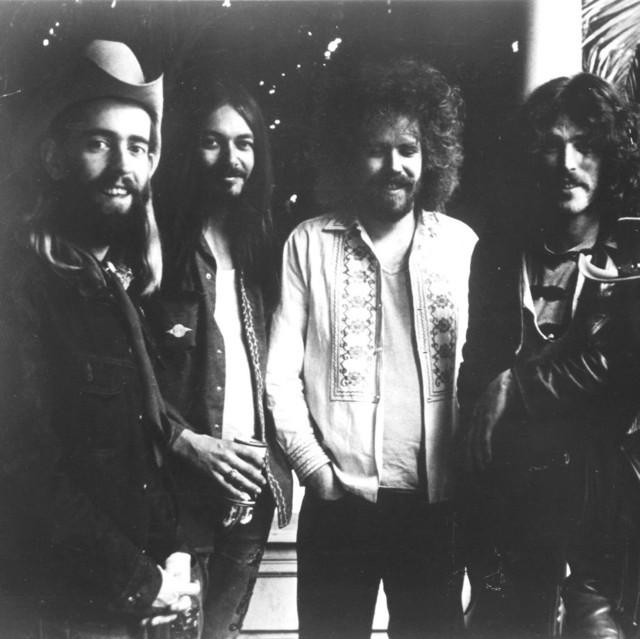
Hot Tuna

Blues
Blues Rock
Americana/Alt Country
 Viberate Rank: 95852
 Viberate Rank: 95852
 Monthly ListenersFollowers
 Subscribers
 Followers
 Followers
 FansTop Spotify Songs
| Track | 7-Day Streams | |
|---|---|---|
1 | 6.39K | |
2 | 3.29K | |
3 | 3.25K | |
4 | 2.83K | |
5 | 2.77K |
Top YouTube VideosMonthly ListenersFeatured in Playlists| Playlist | Followers | |
|---|---|---|
1 |  This Is Jefferson Airplane Spotify | 35.56K |
2 |  70s Proto-Metal, Heavy Psych & Obscure Hard Rock Jordan Edrei | 11.27K |
3 | Best Guitar Solo On Earth Musopedia | 9.34K |
4 |  JEFFERSON AIRPLANE HITS🟢BEST OF 🟢 ROCK PLAYLISTS 🟢 | 9.25K |
5 |  HI FI TEST, LOSSLESS,HI END, HI RES,HEADPHONES, AUDIOPHILE. TOP BEST RÉCORDS OF ROCK, POP, BLUES, purodemalta | 9.23K |
Audience| City | Monthly Listeners | |
|---|---|---|
1 | | 968 |
2 | | 644 |
3 | | 635 |
4 | | 610 |
5 | | 602 |
See full performance history, audience data, playlist activity, rankings, comparisons, and more in Viberate music analytics. Start with a free trial, then continue with a paid plan.
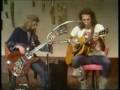
Hot Tuna’s Spotify BioBegun as an acoustic spinoff of the Jefferson Airplane, Hot Tuna eventually became the full-time focus of founding members Jack Casady and Jorma Kaukonen, emerging as a popular touring act of the 1970s. The two were lifelong friends, growing up together in Washington, D.C., and playing in the group the Triumphs. After high school, guitarist Kaukonen and his government-service parents relocated to the Philippines, but he returned to the U.S. in time for the advent of psychedelia, landing in San Francisco and co-founding the Airplane in 1965. Bassist Casady joined not long after, and together they helped lead the group to massive success during the late '60s.
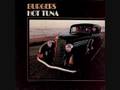
Hot Tuna -- originally dubbed Hot Sh*t, much to the chagrin of their label, RCA -- first began taking shape in 1969, while both Casady and Kaukonen were still active members of the Jefferson Airplane; in fact, their first performances were sandwiched between regular Airplane gigs. As a trio rounded out by harmonica player Will… Scarlet (and occasionally including Airplane members Marty Balin and Spencer Dryden), Hot Tuna debuted in 1970 with a low-key self-titled LP of traditional blues and ragtime recorded live at the New Orleans House in Berkeley; by the following year's more rock-inspired First Pull Up, Then Pull Down, their roster included violinist Papa John Creach, concurrently a full-time member of the Airplane, and drummer Sammy Piazza. Minus Scarlet, a third album, Burgers, appeared in 1972.
By the appearance of 1974's The Phosphorescent Rat, both Casady and Kaukonen had officially exited Jefferson Airplane; by this time Creach, who elected to remain with the Airplane, was no longer in the group. With 1975's America's Choice, Piazza too was gone, replaced by drummer Bob Steeler; Yellow Fever appeared that same year, with Hoppkorv following in 1976. Keyboardist Nick Buck signed on for 1978's Double Dose, but Hot Tuna subsequently announced their breakup, closing out the first phase of their career with 1979's Final Vinyl.
In the wake of the group's demise, Kaukonen released a solo LP, Jorma, and later joined the new wave unit Vital Parts; Casady also fronted a new wave group of his own, SVT. In 1984, both returned to their roots: Casady joined fellow Airplane alums Balin and Paul Kantner in the KBC Band, while Kaukonen reverted to the acoustic folk and blues of his formative years. Finally, Casady and Kaukonen played a handful of club dates under the Hot Tuna aegis, re-forming on a more concrete basis in 1986; by 1990, their ranks included singer/multi-instrumentalist Michael Falzarano, a veteran of many early reunion shows.
That year Hot Tuna released Pair a Dice Found, their first collection of new studio material in over a decade; a series of live releases followed, including 1992's Live at Sweetwater, 1997's Splashdown Two, and 1999's And Furthurmore.... In the years to follow, Hot Tuna continued to play several live shows a year in various configurations. A single-disc best-of from the RCA years, Keep on Truckin', was released in 2006. The group’s first studio album in 20 years, Steady as She Goes, recorded at Levon Helm's studio in Woodstock, New York, and produced by Larry Campbell, was released on Red House Records in 2011. ~ Jason Ankeny, Rovi
Viberate is a music analytics platform built for A&Rs, artist managers, labels, booking agents, marketers, and artists.
It helps music professionals track artist growth, analyze audience data, monitor playlist activity, compare artists, follow song performance, and identify opportunities across the music market.
Public artist pages provide a free preview of selected artist data. Paid plans provide access to deeper analytics, historical data, charts, comparisons, playlist tools, exports, alerts, reports, and additional professional features.
Yes. Public Viberate artist pages provide selected artist analytics and music data for free.
Viberate also offers a 7-day free trial of the full platform. A credit card is required to start the trial. The trial includes access to the complete product so users can test deeper artist analytics, historical views, playlist insights, comparisons, charts, exports, alerts, and reporting features before choosing a paid plan.
Viberate provides artist analytics across streaming, playlists, social media, video, radio airplay, songs, and audience markets.
Users can analyze Spotify performance, Spotify and Apple Music playlists, YouTube activity, TikTok and Instagram growth, radio spins, song performance, audience locations, demographics, rankings, and overall artist momentum.
Artist profiles also connect to music charts, similar artists, and comparison tools, helping users benchmark performance and evaluate artists in context.
Viberate updates key artist and track data daily.
For followed artists and tracks, selected data is refreshed multiple times per day. This helps teams monitor playlist changes, streaming movement, audience growth, releases, and campaign performance with more current data.
Update frequency can vary depending on the metric and data source.
Yes. Viberate lets users compare up to five artists side by side across streaming, social media, audience, and engagement metrics.
Users can compare fanbase growth, audience demographics, locations, Spotify performance, social metrics, and other artist data over selected time periods.
Artist comparison can be used for A&R scouting, benchmarking, booking decisions, campaign planning, and evaluating artists with similar audiences or market positions.