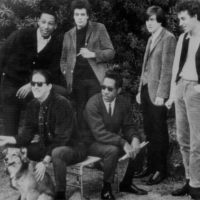
Duane Allman

Blues
Contemporary Blues
Alternative Rock
 Viberate Rank: 79052
 Viberate Rank: 79052
 Monthly ListenersFollowers
 Subscribers
 Followers
 Followers
 FansTop Spotify Songs
| Track | 7-Day Streams | |
|---|---|---|
1 | 11.06K | |
2 | 10.19K | |
3 | 8.22K | |
4 | 6.01K | |
5 | 3.78K |
Top YouTube VideosMonthly ListenersFeatured in Playlists| Playlist | Followers | |
|---|---|---|
1 |  In the Name of the Blues: Tedeschi Trucks Band Takeover Spotify | 484.72K |
2 |  This Is Aretha Franklin Spotify | 385.64K |
3 | All 80 s Rock & Classic Hits Peter Bakker | 135.74K |
4 |  Whiskey Blues 🥃 Тhe Original | The Best Slow Blues / Blues Rock Don's Tunes | 85.92K |
5 |  Blues Guitar Masters Alec Wilson | 66.56K |
Audience| City | Monthly Listeners | |
|---|---|---|
1 | | 1.54K |
2 | | 1.52K |
3 | | 1.16K |
4 | | 1.14K |
5 |  | 1.10K |
See full performance history, audience data, playlist activity, rankings, comparisons, and more in Viberate music analytics. Start with a free trial, then continue with a paid plan.
Duane Allman’s Spotify BioDuane Allman went from musical unknown to one of rock's most revered guitar virtuosos, only to die a legend, all in about 24 months. He barely had time to establish his legacy, much less his name. The bulk of his reputation and legacy rests, understandably, with the Allman Brothers Band -- two finished studio albums (1969's The Allman Brothers Band and 1970's Idlewild South, a live album (1971's landmark At Fillmore East), and a posthumously released studio/live album (1972's Eat a Peach) -- along with lots of shows with them (some of which, off radio, later surfaced on bootlegs). But given his pairing with Eric Clapton on 1970's Layla and Other Assorted Love Songs by Derek & the Dominos and his voluminous session work in which he played behind other artists (along with songs from a busted solo album project), there were enough outside projects to justify a pair of anthology collections. Either one is a fine place to start musically, with the first set also containing a wonderful… extended essay on his life and career, but serious fans found much to explore by digging deeper into the entire albums from which a lot of those tracks, even the session work, were pulled. In 2013 the Rounder label gave due respect to the scope of Allman's contributions with the massive seven-disc box set Skydog: The Duane Allman Retrospective. ~ Bruce Eder, Rovi
Viberate is a music analytics platform built for A&Rs, artist managers, labels, booking agents, marketers, and artists.
It helps music professionals track artist growth, analyze audience data, monitor playlist activity, compare artists, follow song performance, and identify opportunities across the music market.
Public artist pages provide a free preview of selected artist data. Paid plans provide access to deeper analytics, historical data, charts, comparisons, playlist tools, exports, alerts, reports, and additional professional features.
Yes. Public Viberate artist pages provide selected artist analytics and music data for free.
Viberate also offers a 7-day free trial of the full platform. A credit card is required to start the trial. The trial includes access to the complete product so users can test deeper artist analytics, historical views, playlist insights, comparisons, charts, exports, alerts, and reporting features before choosing a paid plan.
Viberate provides artist analytics across streaming, playlists, social media, video, radio airplay, songs, and audience markets.
Users can analyze Spotify performance, Spotify and Apple Music playlists, YouTube activity, TikTok and Instagram growth, radio spins, song performance, audience locations, demographics, rankings, and overall artist momentum.
Artist profiles also connect to music charts, similar artists, and comparison tools, helping users benchmark performance and evaluate artists in context.
Viberate updates key artist and track data daily.
For followed artists and tracks, selected data is refreshed multiple times per day. This helps teams monitor playlist changes, streaming movement, audience growth, releases, and campaign performance with more current data.
Update frequency can vary depending on the metric and data source.
Yes. Viberate lets users compare up to five artists side by side across streaming, social media, audience, and engagement metrics.
Users can compare fanbase growth, audience demographics, locations, Spotify performance, social metrics, and other artist data over selected time periods.
Artist comparison can be used for A&R scouting, benchmarking, booking decisions, campaign planning, and evaluating artists with similar audiences or market positions.