Hollywood Rose

Rock
Hard Rock
Glam Metal
 Viberate Rank: 185674
 Viberate Rank: 185674
 Monthly ListenersFollowers
 Subscribers
 Followers
 Followers
 FansTop Spotify SongsTop YouTube VideosMonthly ListenersFeatured in Playlists
| Playlist | Followers | |
|---|---|---|
1 | Glam Rock Hits of the 8O's Mats Mazze Wallin | 62.25K |
2 |  80’s Hair Metal & Rock halun1 | 40.37K |
3 | Route 66 Country & Rock Misi | 12.02K |
4 |  GYM Motivation Ruben Lujan Vega | 7.16K |
5 |  Deep Cuts, Forgotten Gems & Classic Rock Gold Rick Kirby - music nerd | 5.63K |
Audience| City | Monthly Listeners | |
|---|---|---|
1 |  | 288 |
2 |  | 233 |
3 |  | 172 |
4 | | 148 |
5 |  | 133 |
See full performance history, audience data, playlist activity, rankings, comparisons, and more in Viberate music analytics. Start with a free trial, then continue with a paid plan.
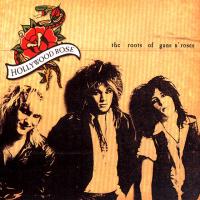
Hollywood Rose’s Spotify BioYears before there was a Guns N' Roses there was Hollywood Rose. Formed in -- where else -- Hollywood, circa 1983, by recent Indiana transplants William Bailey (later to become W. Axl Rose) and Jeff Isabelle (aka Izzy Stradlin) along with Los Angeles native Chris Weber, they were briefly billed as A.X.L. (another portent of things to come) before assuming the Hollywood Rose moniker and cutting a five-song demo with money borrowed from Weber's father. Drummer Johnny Kreiss and bassist Rick Mars were then brought on board, as the young band joined the other hundreds of hairspray hopefuls overcrowding the Sunset Strip, and when lead guitarist Weber decided to split for New York City, mutual friend Tracii Guns briefly put his own L.A. Guns project on hold to lend a hand. By the time Guns departed in June 1985, bassist Duff McKagan had joined the fold, and the door was finally open for lead guitarist Slash and drummer Steven Adler (replacing most recent sticksman Rob Gardner) to complete… the now "classic" lineup of a newly baptized Guns N' Roses.
Of course, the rest is history, and the early-day exploits of the original Hollywood Rose were of course consigned to the realm of vague memory once GNR exploded to worldwide stardom on the back of 1987's watershed Appetite for Destruction. And that's how they remained for 20 years, until those five long-forgotten 1984 demos were unexpectedly unearthed, appended with ten remixes, and issued on CD under the title of The Roots of Guns N' Roses to the delight of aging hair metal fans everywhere. Not surprisingly, the release immediately drew a cease-and-desist lawsuit from Axl Rose, but with litigation still ongoing, it appears that this very patchy, very belated, but nevertheless fascinating article of L.A. hair metal history will remain available to enthusiasts of the genre for the time being. ~ Eduardo Rivadavia, Rovi
Viberate is a music analytics platform built for A&Rs, artist managers, labels, booking agents, marketers, and artists.
It helps music professionals track artist growth, analyze audience data, monitor playlist activity, compare artists, follow song performance, and identify opportunities across the music market.
Public artist pages provide a free preview of selected artist data. Paid plans provide access to deeper analytics, historical data, charts, comparisons, playlist tools, exports, alerts, reports, and additional professional features.
Yes. Public Viberate artist pages provide selected artist analytics and music data for free.
Viberate also offers a 7-day free trial of the full platform. A credit card is required to start the trial. The trial includes access to the complete product so users can test deeper artist analytics, historical views, playlist insights, comparisons, charts, exports, alerts, and reporting features before choosing a paid plan.
Viberate provides artist analytics across streaming, playlists, social media, video, radio airplay, songs, and audience markets.
Users can analyze Spotify performance, Spotify and Apple Music playlists, YouTube activity, TikTok and Instagram growth, radio spins, song performance, audience locations, demographics, rankings, and overall artist momentum.
Artist profiles also connect to music charts, similar artists, and comparison tools, helping users benchmark performance and evaluate artists in context.
Viberate updates key artist and track data daily.
For followed artists and tracks, selected data is refreshed multiple times per day. This helps teams monitor playlist changes, streaming movement, audience growth, releases, and campaign performance with more current data.
Update frequency can vary depending on the metric and data source.
Yes. Viberate lets users compare up to five artists side by side across streaming, social media, audience, and engagement metrics.
Users can compare fanbase growth, audience demographics, locations, Spotify performance, social metrics, and other artist data over selected time periods.
Artist comparison can be used for A&R scouting, benchmarking, booking decisions, campaign planning, and evaluating artists with similar audiences or market positions.