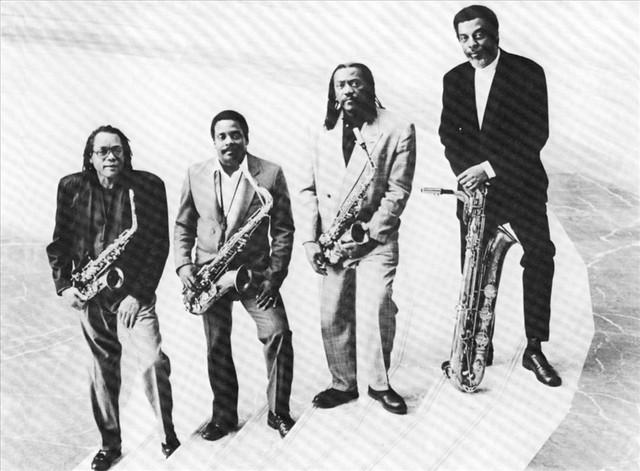
Herb Robertson

Jazz
Smooth Jazz
Free Jazz
 Viberate Rank: 785472
 Viberate Rank: 785472
 Monthly ListenersFollowers
 Subscribers
 Followers
 Followers
 FansTop Spotify Songs
| Track | 7-Day Streams | |
|---|---|---|
1 | 112 | |
2 | 20 | |
3 | 14 | |
4 | 7 | |
5 | 7 |
Top YouTube VideosMonthly ListenersFeatured in Playlists| Playlist | Followers | |
|---|---|---|
1 |  Avant-Jazz Spotify | 70.76K |
2 |  Cowboy Bebop - 3,2,1 Let's Jam illztherocker | 19.27K |
3 | Cowboy Bebop Soundtrack Kumael Jafri | 6.28K |
4 |  The Sound of Avant-Garde Jazz The Sounds of Spotify | 4.05K |
5 |  gilmore girls soundtrack ann!ka | 1.81K |
Audience| City | Monthly Listeners | |
|---|---|---|
1 | | 8 |
2 |  | 8 |
3 |  | 7 |
4 | | 7 |
5 |  | 7 |
See full performance history, audience data, playlist activity, rankings, comparisons, and more in Viberate music analytics. Start with a free trial, then continue with a paid plan.
Herb Robertson’s Spotify BioSome of his contemporaries may have generated more hype, but there was no better free jazz trumpeter than Herb Robertson. He combined a thorough command of traditional and extended techniques with a prodigious imagination. His voice was utterly original, maybe too original for his own good; many less ambitious trumpeters his age made bigger names for themselves. Robertson followed his own path, however, creating challenging, uncompromising music more accessible than one might think. Robertson was born and raised in New Jersey. He attended Berklee School of Music from 1969-1972. He spent the next several years playing in various jazz and rock bands. By 1981, he'd joined saxophonist Tim Berne's band; not long after, he began playing with bassist Mark Helias. In 1985, Robertson recorded as a leader for the first time. Transparency featured Berne, guitarist Bill Frisell, bassist Lindsey Horner, and drummer Joey Baron; it was the first of five excellent albums Robertson would make for… producer Stefan Winter's JMT label. Robertson's also recorded for the Leo and Cadence Jazz labels, among others. As a sideman, he played with Anthony Davis, Bobby Previte, David Sanborn, George Gruntz, Bill Frisell, and Paul Motian, to name just a few. Robertson toured Europe many times, playing many of the major festivals. He also composed music for dance and theater. Transparency was re-released in 2001 on the Winter & Winter label. Robertson continued to record into the 2020s, before his death on December 10, 2024, at the age of 73. ~ Chris Kelsey, Rovi
Viberate is a music analytics platform built for A&Rs, artist managers, labels, booking agents, marketers, and artists.
It helps music professionals track artist growth, analyze audience data, monitor playlist activity, compare artists, follow song performance, and identify opportunities across the music market.
Public artist pages provide a free preview of selected artist data. Paid plans provide access to deeper analytics, historical data, charts, comparisons, playlist tools, exports, alerts, reports, and additional professional features.
Yes. Public Viberate artist pages provide selected artist analytics and music data for free.
Viberate also offers a 7-day free trial of the full platform. A credit card is required to start the trial. The trial includes access to the complete product so users can test deeper artist analytics, historical views, playlist insights, comparisons, charts, exports, alerts, and reporting features before choosing a paid plan.
Viberate provides artist analytics across streaming, playlists, social media, video, radio airplay, songs, and audience markets.
Users can analyze Spotify performance, Spotify and Apple Music playlists, YouTube activity, TikTok and Instagram growth, radio spins, song performance, audience locations, demographics, rankings, and overall artist momentum.
Artist profiles also connect to music charts, similar artists, and comparison tools, helping users benchmark performance and evaluate artists in context.
Viberate updates key artist and track data daily.
For followed artists and tracks, selected data is refreshed multiple times per day. This helps teams monitor playlist changes, streaming movement, audience growth, releases, and campaign performance with more current data.
Update frequency can vary depending on the metric and data source.
Yes. Viberate lets users compare up to five artists side by side across streaming, social media, audience, and engagement metrics.
Users can compare fanbase growth, audience demographics, locations, Spotify performance, social metrics, and other artist data over selected time periods.
Artist comparison can be used for A&R scouting, benchmarking, booking decisions, campaign planning, and evaluating artists with similar audiences or market positions.