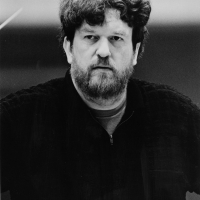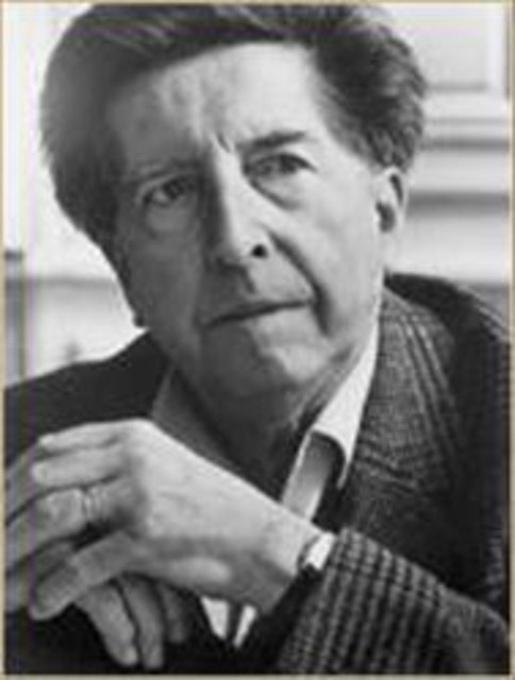
Henri Dutilleux

Classical
Chamber Music
 Viberate Rank: 329138
 Viberate Rank: 329138
 Monthly ListenersFollowers
 Subscribers
 Followers
 Followers
 FansTop Spotify Songs
| Track | 7-Day Streams | |
|---|---|---|
1 | 383 | |
2 | 262 | |
3 | 239 | |
4 | 236 | |
5 | 127 |
Top YouTube VideosMonthly ListenersFeatured in Playlists| Playlist | Followers | |
|---|---|---|
1 |  1000 Recordings to Hear Before You Die (Tom Moon): Album Index Ulysses' Classical | 94.29K |
2 |  Relaxing Classical Piano 🎹 ATMA Classique | 71.21K |
3 |  Jacob's Optimum Music Feast Jacob Collier | 47.95K |
4 |  🪐Floating Points Turntable🪐 Floating Points | 35.37K |
5 |  SKMT picks Ryuichi Sakamoto | 18.31K |
Audience| City | Monthly Listeners | |
|---|---|---|
1 | | 109 |
2 |  | 108 |
3 |  | 103 |
4 |  | 83 |
5 |  | 79 |
See full performance history, audience data, playlist activity, rankings, comparisons, and more in Viberate music analytics. Start with a free trial, then continue with a paid plan.
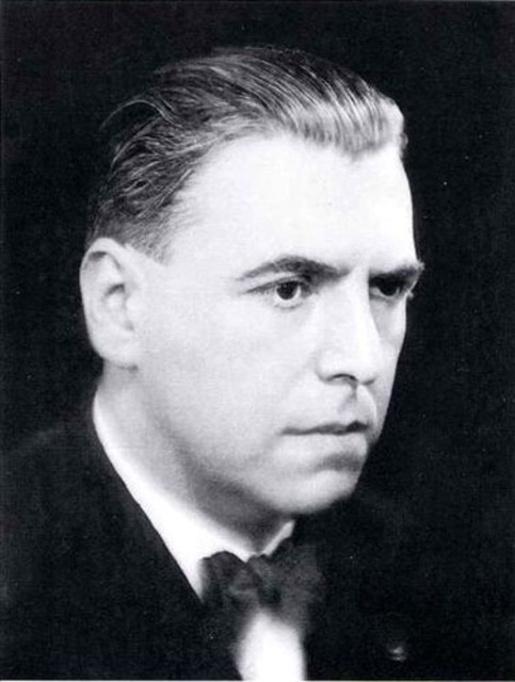
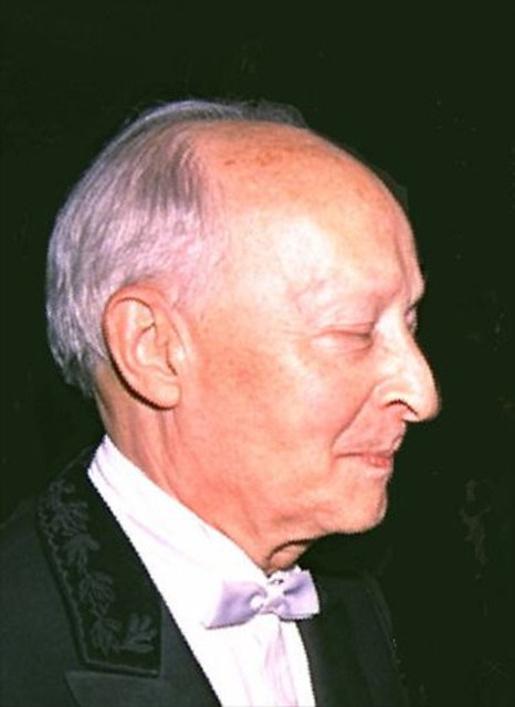
Henri Dutilleux’s Spotify BioHenri Dutilleux was a hard-working French contemporary composer who emphasized quality over quantity, shunned systems of formal organization, and wrote rock-solid music tailored to the needs of specific ensembles. Dutilleux' independence of spirit set him apart from many of his colleagues in France. His concern for instrumental color, spatial relationships among instrumental groups, and heterodox sense of spirituality maintains the French lineage of modernism that stems from the music of Debussy through the work of Messiaen. Dutilleux was deeply inspired by visual art, his orchestral work Timbres, espace, mouvement (1978) being directly inspired by Vincent van Gogh's painting The Starry Night.
Dutilleux was born the grandson of organist and composer Julien Koszul, who was onetime director of the Roubaix Conservatoire, a close friend of Gabriel Fauré, and helped foster the career of Albert Roussel. Dutilleux studied at the Douai Conservatoire until 1933 when he enrolled in the Paris… Conservatoire. His third Prix de Rome cantata, L'anneau de Roi, won the Premier Prix in 1938, but the outbreak of war curtailed his award. Dutilleux served as a stretcher-bearer, and later as a singing coach at the French opera. It was during the war that Dutilleux began to stake out his reputation as a composer in works such as the Sonatina for flute & piano (1943) and the song Chanson de la deportée (1945). Ever conscious of the quality of his small work list, Dutilleux renounced all of the pieces that predate the Piano Sonata (1946-1948), written for his new bride, pianist Genevieve Joy. At war's end Dutilleux took a job as a producer for the ORTF (French public radio) that he kept until 1963. In this capacity his unit sponsored "radiophonic" pieces by Pierre Schaeffer, Antonín Artaud, and others. As a composer, Dutilleux elected to stay in the background, working hard and patiently waiting his turn.
That recognition came with his Symphony No. 1 (1951), which led to interest in Dutilleux, particularly among performers who have kept a stream of commissions coming his way since then. Among the artists who have had works written for them by Dutilleux are cellist Mstislav Rostropovich, the Juilliard String Quartet, violinist Anne-Sophie Mutter, the Boston Symphony Orchestra, Swiss conductor Paul Sacher, and soprano Renée Fleming. Many of these works, such as the string quartet Ainsi la nuit (1977), the orchestral pieces The Shadows of Time (1997), and Métaboles (1964), are already regarded as masterworks of Western literature.
Viberate is a music analytics platform built for A&Rs, artist managers, labels, booking agents, marketers, and artists.
It helps music professionals track artist growth, analyze audience data, monitor playlist activity, compare artists, follow song performance, and identify opportunities across the music market.
Public artist pages provide a free preview of selected artist data. Paid plans provide access to deeper analytics, historical data, charts, comparisons, playlist tools, exports, alerts, reports, and additional professional features.
Yes. Public Viberate artist pages provide selected artist analytics and music data for free.
Viberate also offers a 7-day free trial of the full platform. A credit card is required to start the trial. The trial includes access to the complete product so users can test deeper artist analytics, historical views, playlist insights, comparisons, charts, exports, alerts, and reporting features before choosing a paid plan.
Viberate provides artist analytics across streaming, playlists, social media, video, radio airplay, songs, and audience markets.
Users can analyze Spotify performance, Spotify and Apple Music playlists, YouTube activity, TikTok and Instagram growth, radio spins, song performance, audience locations, demographics, rankings, and overall artist momentum.
Artist profiles also connect to music charts, similar artists, and comparison tools, helping users benchmark performance and evaluate artists in context.
Viberate updates key artist and track data daily.
For followed artists and tracks, selected data is refreshed multiple times per day. This helps teams monitor playlist changes, streaming movement, audience growth, releases, and campaign performance with more current data.
Update frequency can vary depending on the metric and data source.
Yes. Viberate lets users compare up to five artists side by side across streaming, social media, audience, and engagement metrics.
Users can compare fanbase growth, audience demographics, locations, Spotify performance, social metrics, and other artist data over selected time periods.
Artist comparison can be used for A&R scouting, benchmarking, booking decisions, campaign planning, and evaluating artists with similar audiences or market positions.