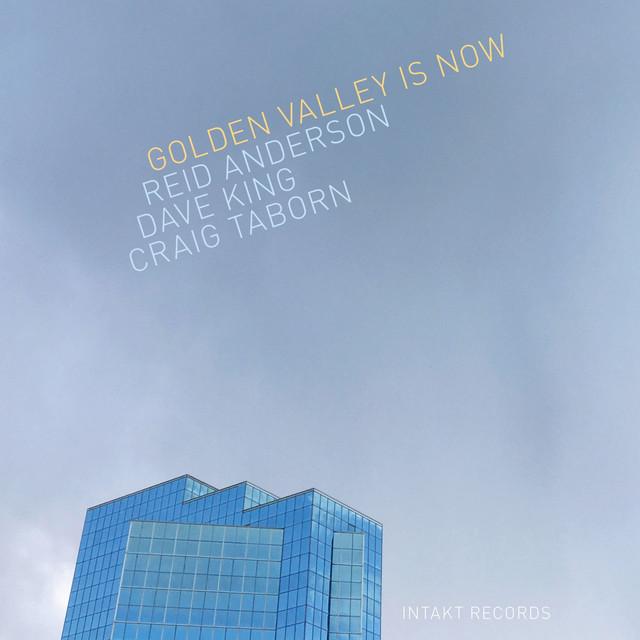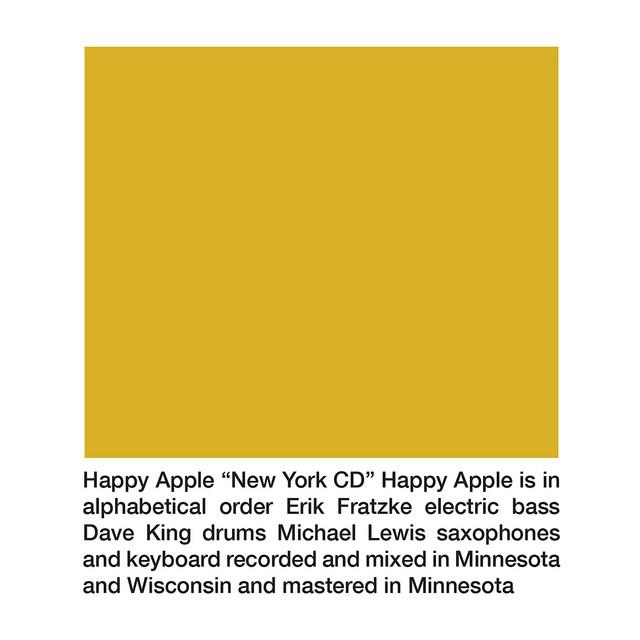
Happy Apple

Jazz
Smooth Jazz
Free Jazz
 Viberate Rank: 453692
 Viberate Rank: 453692
 Monthly ListenersFollowers
 Subscribers
 Followers
 Followers
 FansTop Spotify Songs
| Track | 7-Day Streams | |
|---|---|---|
1 | 50 | |
2 | 49 | |
3 | 46 | |
4 | 41 | |
5 | 40 |
Top YouTube VideosMonthly ListenersFeatured in Playlists| Playlist | Followers | |
|---|---|---|
1 |  RHYTHM SECTION HQ Rhythm Section International | 11.56K |
2 |  The Sound of Contemporary Jazz The Sounds of Spotify | 1.96K |
3 |  Post-Jazz Ingenii Records | 1.05K |
Audience| City | Monthly Listeners | |
|---|---|---|
1 | | 47 |
2 | | 17 |
3 | | 16 |
4 | | 11 |
5 | | 8 |
See full performance history, audience data, playlist activity, rankings, comparisons, and more in Viberate music analytics. Start with a free trial, then continue with a paid plan.
Happy Apple’s Spotify BioNamed after a child's toy from the 1960s, jazz trio Happy Apple was formed in Minneapolis, MN, in 1996 by saxophonist Michael Lewis and drummer David King, with bassist Erik Fratzke joining soon after. Their clever and melodic small-combo improvisations have been termed "jazz punk," but Happy Apple has a grasp of the entire history of jazz, and the trio's elegant free-bop compositions are full of haunting melodies, delightful flashes of humor, and intelligent, coherent construction. Led by Lewis' amazingly lyrical tenor sax playing and solid melodies written by all three members, Happy Apple keeps out of the fusion trap by implying rock dynamics without actually surrendering to them, giving the group a fresh, bright, and totally unique sound. Things can get hot and searing, certainly, and there is no aversion to sonic and free jazz experimenting, but the band always retains a strong melodic center. Happy Apple has released four independent albums, Blown Shockward and Crash Flow (1997),… Part of the Solution Problem (1998), Body Popping, Moon Walking, Top Rocking (1999), and Please Refrain from Fronting (2001). Youth Oriented, the group's first commercial album, was released in 2003 by Universal Music and is distributed in the U.S. by Sunnyside Records. Peace Between Our Companies, again distributed by Sunnyside, came out in 2005. Happy Apple tours regularly and continues to use Minneapolis as a home base. ~ Steve Leggett, Rovi
Viberate is a music analytics platform built for A&Rs, artist managers, labels, booking agents, marketers, and artists.
It helps music professionals track artist growth, analyze audience data, monitor playlist activity, compare artists, follow song performance, and identify opportunities across the music market.
Public artist pages provide a free preview of selected artist data. Paid plans provide access to deeper analytics, historical data, charts, comparisons, playlist tools, exports, alerts, reports, and additional professional features.
Yes. Public Viberate artist pages provide selected artist analytics and music data for free.
Viberate also offers a 7-day free trial of the full platform. A credit card is required to start the trial. The trial includes access to the complete product so users can test deeper artist analytics, historical views, playlist insights, comparisons, charts, exports, alerts, and reporting features before choosing a paid plan.
Viberate provides artist analytics across streaming, playlists, social media, video, radio airplay, songs, and audience markets.
Users can analyze Spotify performance, Spotify and Apple Music playlists, YouTube activity, TikTok and Instagram growth, radio spins, song performance, audience locations, demographics, rankings, and overall artist momentum.
Artist profiles also connect to music charts, similar artists, and comparison tools, helping users benchmark performance and evaluate artists in context.
Viberate updates key artist and track data daily.
For followed artists and tracks, selected data is refreshed multiple times per day. This helps teams monitor playlist changes, streaming movement, audience growth, releases, and campaign performance with more current data.
Update frequency can vary depending on the metric and data source.
Yes. Viberate lets users compare up to five artists side by side across streaming, social media, audience, and engagement metrics.
Users can compare fanbase growth, audience demographics, locations, Spotify performance, social metrics, and other artist data over selected time periods.
Artist comparison can be used for A&R scouting, benchmarking, booking decisions, campaign planning, and evaluating artists with similar audiences or market positions.