Blue Cranes

Jazz
Jazz Fusion
Nu Jazz
 Viberate Rank: 542163
 Viberate Rank: 542163
 Monthly ListenersFollowers
 Subscribers
 Followers
 Followers
 FansTop Spotify Songs
| Track | 7-Day Streams | |
|---|---|---|
1 | 9 | |
2 | 7 | |
3 | 5 | |
4 | 4 | |
5 | 4 |
Top YouTube VideosMonthly ListenersFeatured in Playlists| Playlist | Followers | |
|---|---|---|
1 | NPR-All Things Considered speptobie | 2.09K |
2 |  Post-Jazz Ingenii Records | 1.05K |
Audience| City | Monthly Listeners | |
|---|---|---|
1 | | 24 |
2 | | 4 |
3 |  | 4 |
4 | | 3 |
5 | | 3 |
See full performance history, audience data, playlist activity, rankings, comparisons, and more in Viberate music analytics. Start with a free trial, then continue with a paid plan.
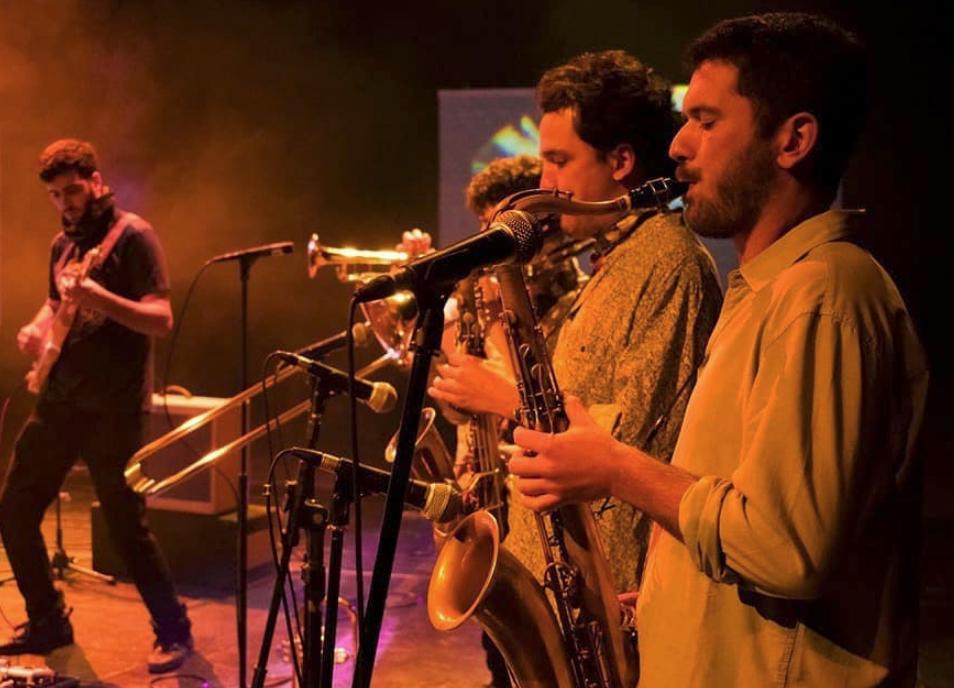
Blue Cranes’ Spotify BioBlue Cranes are a creative jazz group with a sometimes-prominent indie rock sensibility, expressed not only in the band's embrace of rock rhythms and keyboard voicings but in the melodic, songlike themes played by saxophonists Reed Wallsmith and Joe Cunningham. In addition to original material, albums like 2007's Lift Music! Flown Music!, 2008's Homing Patterns, and 2010's Observatories have found the band dipping into music by other Portland artists such as the late Elliott Smith, indie rockers Blonde Redhead, singer/songwriter Sufjan Stevens, and Seattle-via-N.Y.C. composer/keyboardist Wayne Horvitz. They have experimented with their sound, working with a string quartet on 2013's Swim, while 2021's Voices featured singers like Laura Veirs and Holland Andrews. The band's albums have primarily served as vehicles for the compositions and tandem saxophone stylings of Wallsmith and Cunningham, revealing not only an indie mindset but also a wide range of jazz, avant-garde, and classical… influences, as on 2023's My Only Secret.
The first creative stirrings that would ultimately lead to Blue Cranes began in 1994 when Portland high-school students Wallsmith and Ji Tanzer started a musical project together, but the band wouldn't truly arrive until bassist Keith Brush joined up with alto saxophonist Wallsmith and drummer Tanzer in 2003, and keyboardist Rebecca Sanborn signed on a year later. This quartet version of Blue Cranes debuted with the independently released Lift Music! Flown Music! in 2007.
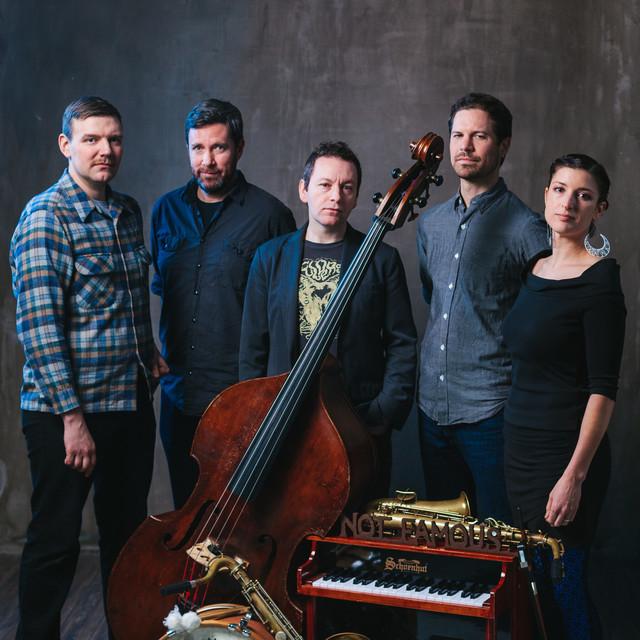
The following year's sophomore album, Homing Patterns, saw the group expand to a quintet with the addition of Cunningham, aka Sly Pig, a tenor saxophonist noted for his work with the Decemberists. Guitarist Ila Cantor was also featured as a guest. The dual saxophones would add new strength and power to the lineup, and Blue Cranes would remain a quintet of Wallsmith, Cunningham, Sanborn, Brush, and Tanzer on subsequent releases.
In 2010 Blue Cranes released their third album, Observatories, with most of the group's writing duties now split evenly between Wallsmith and Cunningham. Upon Observatories' release, Wallsmith noted that much of previous album Homing Patterns' music had been conceived for a quartet before Cunningham joined, and that the new album more fully incorporated the contrapuntal possibilities inherent in the expanded lineup. Los Angeles guitarist Timothy Young, a former collaborator with Wayne Horvitz, was a featured guest, and also appearing were members of the Portland Cello Project and Paxselin Horns. In 2011 Observatories was revisited with the remix project Oversea Orbits, featuring remixes of the album's tracks by local Portland artists and a handful of videos. The same year, Blue Cranes released the three-track EP Cantus Firmus, featuring covers of tunes by Blonde Redhead, Red House Painters, and David Bazan.
In early 2013 it was announced that Blue Cranes had signed with Cuneiform, and in June of that year the group's fourth full-length, Swim, was released by the label. Produced by the Decemberists' Nate Query, the album featured the core quintet supplemented by a variety of guest artists on selected tracks, including violist Eyvind Kang, Los Lobos member Steve Berlin on baritone saxophone, the Devil Makes Three's Cooper McBean on musical saw, and a string trio of cellist Anna Fritz, violist/violinist Kyleen King, and violinist Patti King.
For 2021's Voices, the group collaborated with a handful of vocalists, including alt-folk songwriter Laura Veirs, Pink Martini's Edna Vazquez, Y La Bamba's Luz Elena Mendoza, Holland Andrews, Peter Broderick, and others. They returned in 2023 with My Only Secret, which found them returning to an instrumental approach but continuing to push their harmonies and exploring a bold, modern classical influence. ~ Dave Lynch, Rovi
Viberate is a music analytics platform built for A&Rs, artist managers, labels, booking agents, marketers, and artists.
It helps music professionals track artist growth, analyze audience data, monitor playlist activity, compare artists, follow song performance, and identify opportunities across the music market.
Public artist pages provide a free preview of selected artist data. Paid plans provide access to deeper analytics, historical data, charts, comparisons, playlist tools, exports, alerts, reports, and additional professional features.
Yes. Public Viberate artist pages provide selected artist analytics and music data for free.
Viberate also offers a 7-day free trial of the full platform. A credit card is required to start the trial. The trial includes access to the complete product so users can test deeper artist analytics, historical views, playlist insights, comparisons, charts, exports, alerts, and reporting features before choosing a paid plan.
Viberate provides artist analytics across streaming, playlists, social media, video, radio airplay, songs, and audience markets.
Users can analyze Spotify performance, Spotify and Apple Music playlists, YouTube activity, TikTok and Instagram growth, radio spins, song performance, audience locations, demographics, rankings, and overall artist momentum.
Artist profiles also connect to music charts, similar artists, and comparison tools, helping users benchmark performance and evaluate artists in context.
Viberate updates key artist and track data daily.
For followed artists and tracks, selected data is refreshed multiple times per day. This helps teams monitor playlist changes, streaming movement, audience growth, releases, and campaign performance with more current data.
Update frequency can vary depending on the metric and data source.
Yes. Viberate lets users compare up to five artists side by side across streaming, social media, audience, and engagement metrics.
Users can compare fanbase growth, audience demographics, locations, Spotify performance, social metrics, and other artist data over selected time periods.
Artist comparison can be used for A&R scouting, benchmarking, booking decisions, campaign planning, and evaluating artists with similar audiences or market positions.