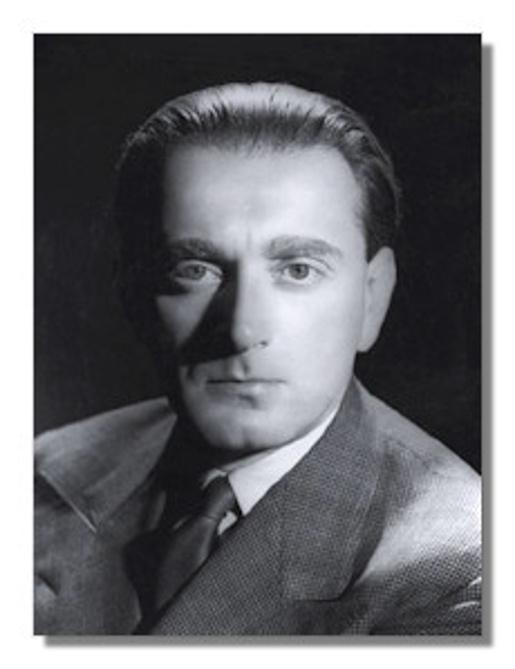
Hans Gál

Classical
Chamber Music
Orchestral
 Viberate Rank: 659169
 Viberate Rank: 659169
 Monthly ListenersFollowers
 Subscribers
 Followers
 Followers
 FansTop Spotify Songs
| Track | 7-Day Streams | |
|---|---|---|
1 | 97 | |
2 | 88 | |
3 | 21 | |
4 | 15 | |
5 | 10 |
Top YouTube VideosMonthly ListenersFeatured in Playlists| Playlist | Followers | |
|---|---|---|
1 |  SUPERB STUDY ❖ Mathias Maagaard Jensen | 5.17K |
2 |  Chamber Music for Self-Renewal synergy555 | 4.21K |
3 |  最愛古典樂 2.0 uDiscover Taiwan | 3.67K |
4 |  Calm/Tranquil Chamber Music synergy555 | 1.50K |
5 |  Mozart Chamber Music: Quartets, Quintets , Trios, Violin Sonatas, Wind & Horn Arrangements synergy555 | 1.19K |
Audience| City | Monthly Listeners | |
|---|---|---|
1 |  | 16 |
2 | | 16 |
3 |  | 10 |
4 |  | 9 |
5 | | 9 |
See full performance history, audience data, playlist activity, rankings, comparisons, and more in Viberate music analytics. Start with a free trial, then continue with a paid plan.
Hans Gál’s Spotify BioAustrian composer and musicologist Hans Gál managed to rescue a once-brilliant career from the intervention of Nazism that threatened to sideline it for good. An instructor alongside Guido Adler at Vienna University, Gál obtained his doctorate in music in 1913. In 1915, he won an Austrian State Prize for a symphony that was swiftly withdrawn and replaced by another; much of Gál's early music did not survive his harsh criticism of it. After serving with the German Army during World War I, Gál joined the staff of the Vienna Conservatory and enjoyed his first success as a composer with the comic opera Die Heilige Ente (The Sacred Duck, 1923). Throughout the 1920s, Gál's reputation as a composer grew, and he was named director of the Conservatory of Mainz in 1929, a position that instantly ended when the Nazis took control of the city of Mainz in March 1933. Gál and his family moved back to Vienna, but had to flee once again with the onset of the Anschluss, arriving in London in March… 1938. Gál was sent to an internment camp for refugees at the Isle of Man in May 1940, but was released later in the year.
The Gáls finally settled in Edinburgh, where Gál found work as a lecturer at Edinburgh University and assisted Rudolf Bing in helping found the Edinburgh Festival, in which Gál served as a participant for many years afterward. His music, however, was still mainly performed in Vienna and Mainz after the war, with Gál traveling to facilitate premiere performances. However, Gál gained notice first and foremost in the postwar period as an author, writing authoritative books on Brahms, Wagner, Schubert, Schumann, and Verdi, among others. It wasn't until after his death at age 97 in 1987 that interest in Gál's music began to grow of its own accord through various revivals and recordings.
Viberate is a music analytics platform built for A&Rs, artist managers, labels, booking agents, marketers, and artists.
It helps music professionals track artist growth, analyze audience data, monitor playlist activity, compare artists, follow song performance, and identify opportunities across the music market.
Public artist pages provide a free preview of selected artist data. Paid plans provide access to deeper analytics, historical data, charts, comparisons, playlist tools, exports, alerts, reports, and additional professional features.
Yes. Public Viberate artist pages provide selected artist analytics and music data for free.
Viberate also offers a 7-day free trial of the full platform. A credit card is required to start the trial. The trial includes access to the complete product so users can test deeper artist analytics, historical views, playlist insights, comparisons, charts, exports, alerts, and reporting features before choosing a paid plan.
Viberate provides artist analytics across streaming, playlists, social media, video, radio airplay, songs, and audience markets.
Users can analyze Spotify performance, Spotify and Apple Music playlists, YouTube activity, TikTok and Instagram growth, radio spins, song performance, audience locations, demographics, rankings, and overall artist momentum.
Artist profiles also connect to music charts, similar artists, and comparison tools, helping users benchmark performance and evaluate artists in context.
Viberate updates key artist and track data daily.
For followed artists and tracks, selected data is refreshed multiple times per day. This helps teams monitor playlist changes, streaming movement, audience growth, releases, and campaign performance with more current data.
Update frequency can vary depending on the metric and data source.
Yes. Viberate lets users compare up to five artists side by side across streaming, social media, audience, and engagement metrics.
Users can compare fanbase growth, audience demographics, locations, Spotify performance, social metrics, and other artist data over selected time periods.
Artist comparison can be used for A&R scouting, benchmarking, booking decisions, campaign planning, and evaluating artists with similar audiences or market positions.