Habib Koité

African
Mbalax
Afropop
 Viberate Rank: 59921
 Viberate Rank: 59921
 Monthly ListenersFollowers
 Subscribers
 Followers
 Followers
 FansTop Spotify Songs
| Track | 7-Day Streams | |
|---|---|---|
1 | 18.70K | |
2 | 11.71K | |
3 | 9.16K | |
4 | 5.74K | |
5 | 5.51K |
Top YouTube Videos| Video | 7-Day Views | |
|---|---|---|
1 | 32.88K | |
2 | 10.09K | |
3 | 5.20K | |
4 | 1.39K | |
5 | 461 |
Monthly ListenersFeatured in Playlists| Playlist | Followers | |
|---|---|---|
1 |  Obama’s Summer Playlist 2026 SoundsDeli | 142.91K |
2 |  Relaxing African Music Buddha’s Lounge | 63.88K |
3 |  House Music - Ibiza 2026 Mike Thurston | 56.68K |
4 | World music Rasta Teacher | 51.03K |
5 |  Dünyadan Sesler Dünyadan Sesler | 33.88K |
Audience| City | Monthly Listeners | |
|---|---|---|
1 |  | 2.88K |
2 |  | 2.28K |
3 |  | 2.17K |
4 |  | 2.09K |
5 |  | 1.84K |
See full performance history, audience data, playlist activity, rankings, comparisons, and more in Viberate music analytics. Start with a free trial, then continue with a paid plan.
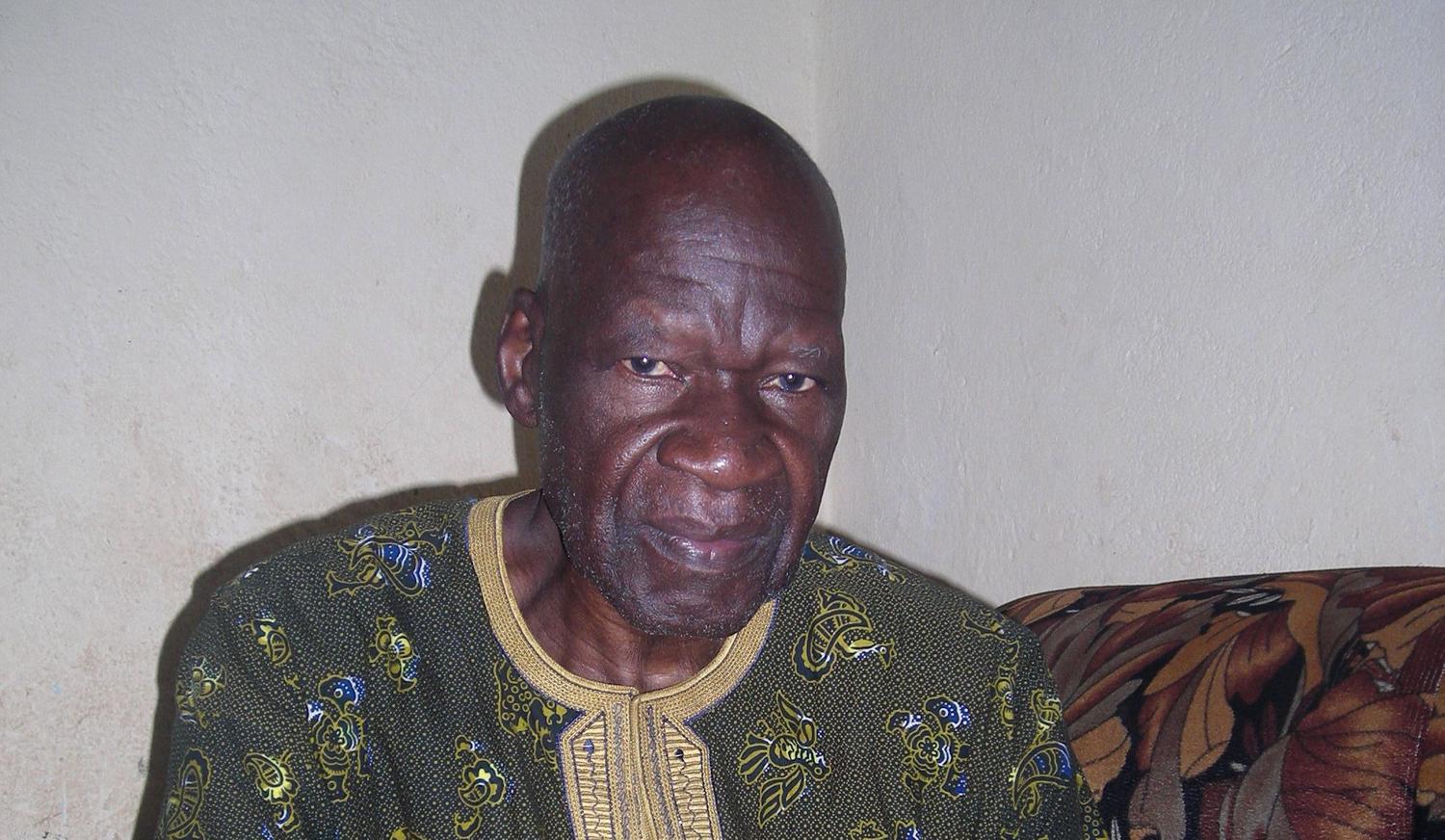
Habib Koité’s Spotify BioThe West African country of Mali has produced some great musicians. But as they age, people have wondered who'll step forward from the next generation. The big answer to that seems to be Habib Koité, who comes from the Khassonké griot tradition, that's the hereditary caste of musicians, but whose eyes are firmly on the future. Born in 1958, his lineage made music a part of his life and it was in order to accompany his mother's singing that he taught himself to play guitar, showing enough ability on the instrument that he was accepted at the National Institute of Arts (NIA) -- remaining there four years after his graduation in 1982 to teach guitar. From his early days, he hasn't played just in the standard Western tuning, but also traditional Malian tunes to make his instrument mimic the traditional n'goni (a four-string lute) and kamele n'goni, or young man's harp, with six strings, giving a richness and native texture to his work. Being at NIA afforded him the opportunity to play with… some of the country's top musicians, including the likes of kora giant Toumani Diabaté.
It wasn't until he was 30 that Koité decided to form a band, Bamada, and they toured extensively throughout Mali, before heading to the Perpignan Voxpole Festival in France in 1991, where they took first prize. That brought them the chance to record two songs, one of which, "Cigarette A Bana" ("The Cigarette Is Finished"), became a hit across West Africa, to the extent that children would sing its chorus in the streets. That led to another single, "Nanale" ("The Swallow"), and the Discovery of 1993: Media-Adami Award by Radio France International. In the wake of that, came Koité's first album, Muso Ko, which topped the European World Music charts (released in the U.S. 1999 on Alula Records). While many Malian musicians interpreted the tradition, artists who used it as a springboard for their own writing were -- and still are -- rare. But Koité's studies had grounded him in regional styles and rhythms, while his guitar work was strong and often subtle, enough to take in the music and spit it out as something new and fresh. As he said, "My way to play traditional music is to adapt the sounds of the traditional instruments from Mali through my acoustic guitar."
By the time Ma Ya appeared -- it became his first American release, early in 1999 -- Koité had matured, both as a writer and a player. Socially conscious, his work had the natural infectiousness of good pop music, with the solid rhythmic and melodic base of Mali. The album, he stated was meant to be "a musical voyage through Mali. I give myself the freedom to move from one rhythm to another." Like Koité, Bamada had also come a long way, offering imaginative, sympathetic backing to his material and voice, although there was no doubt who was the star of the show. In summer 2001, he released his third disc, Bora. ~ Chris Nickson, Rovi
Viberate is a music analytics platform built for A&Rs, artist managers, labels, booking agents, marketers, and artists.
It helps music professionals track artist growth, analyze audience data, monitor playlist activity, compare artists, follow song performance, and identify opportunities across the music market.
Public artist pages provide a free preview of selected artist data. Paid plans provide access to deeper analytics, historical data, charts, comparisons, playlist tools, exports, alerts, reports, and additional professional features.
Yes. Public Viberate artist pages provide selected artist analytics and music data for free.
Viberate also offers a 7-day free trial of the full platform. A credit card is required to start the trial. The trial includes access to the complete product so users can test deeper artist analytics, historical views, playlist insights, comparisons, charts, exports, alerts, and reporting features before choosing a paid plan.
Viberate provides artist analytics across streaming, playlists, social media, video, radio airplay, songs, and audience markets.
Users can analyze Spotify performance, Spotify and Apple Music playlists, YouTube activity, TikTok and Instagram growth, radio spins, song performance, audience locations, demographics, rankings, and overall artist momentum.
Artist profiles also connect to music charts, similar artists, and comparison tools, helping users benchmark performance and evaluate artists in context.
Viberate updates key artist and track data daily.
For followed artists and tracks, selected data is refreshed multiple times per day. This helps teams monitor playlist changes, streaming movement, audience growth, releases, and campaign performance with more current data.
Update frequency can vary depending on the metric and data source.
Yes. Viberate lets users compare up to five artists side by side across streaming, social media, audience, and engagement metrics.
Users can compare fanbase growth, audience demographics, locations, Spotify performance, social metrics, and other artist data over selected time periods.
Artist comparison can be used for A&R scouting, benchmarking, booking decisions, campaign planning, and evaluating artists with similar audiences or market positions.