Boubacar Traoré

African
Other African Music
Other Middle Eastern Music
 Viberate Rank: 96369
 Viberate Rank: 96369
 Monthly ListenersFollowers
 Subscribers
 Followers
 Followers
 FansTop Spotify Songs
| Track | 7-Day Streams | |
|---|---|---|
1 | 10.27K | |
2 | 7.55K | |
3 | 3.62K | |
4 | 2.86K | |
5 | 2.03K |
Top YouTube Videos| Video | 7-Day Views | |
|---|---|---|
1 | 30.77K | |
2 | 965 | |
3 | 954 | |
4 | 803 | |
5 | 746 |
Monthly ListenersFeatured in Playlists| Playlist | Followers | |
|---|---|---|
1 |  Sahara Spotify | 480.71K |
2 |  Café Africa Spotify | 254.54K |
3 |  Salam Spotify | 123.84K |
4 |  Relaxing African Music Buddha’s Lounge | 63.88K |
5 | World music Rasta Teacher | 51.04K |
Audience| City | Monthly Listeners | |
|---|---|---|
1 |  | 1.17K |
2 |  | 985 |
3 |  | 865 |
4 |  | 794 |
5 |  | 710 |
See full performance history, audience data, playlist activity, rankings, comparisons, and more in Viberate music analytics. Start with a free trial, then continue with a paid plan.
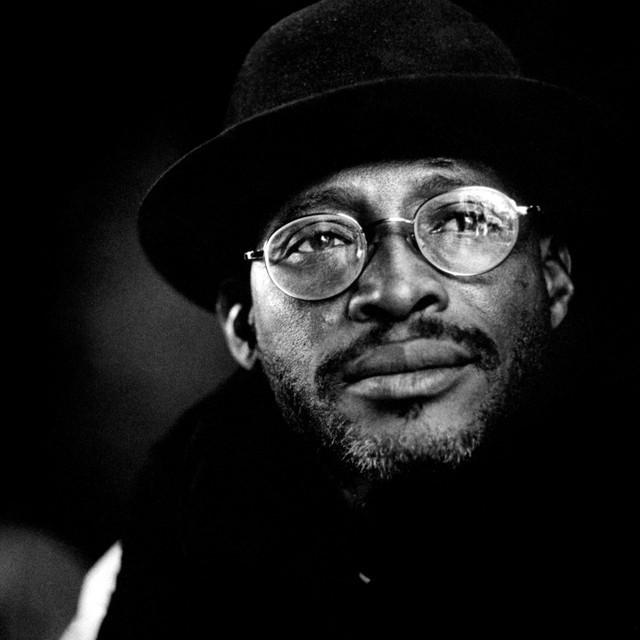
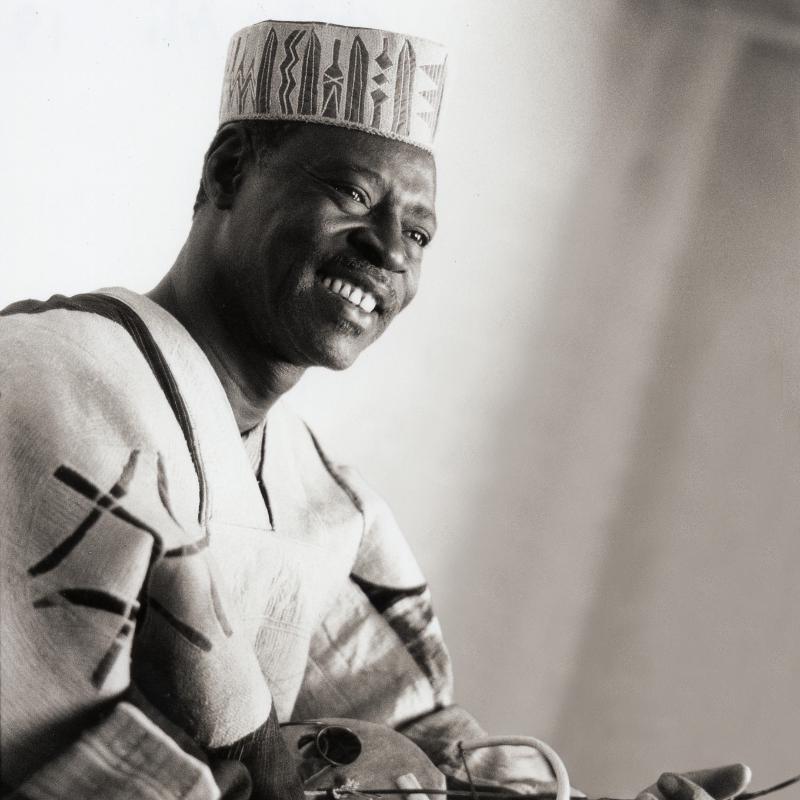
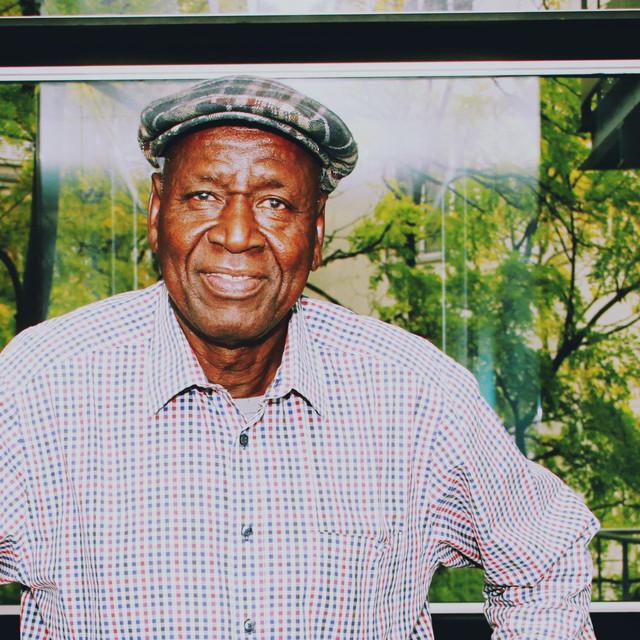
Boubacar Traoré’s Spotify BioBoubacar Traoré (aka Kar Kar) has gone from being the voice of Mali to obscurity, and bounced back to become an internationally respected singer, guitarist, and songwriter -- all in all, not a bad career arc. Born in Kayes, in the sandy west of Mali, his passion as a boy was soccer, and his skills won him the nickname he still carries, "Kar Kar" (short for kari, kari, meaning dribble). But music caught his attention, and the round ball faded into the background. He began sitting in with orchestras around Kayes (including the Orchestra Regional de Kayes), playing his guitar and singing, before moving to the country's capital, Bamako, to try his luck. In the '60s, following Mali's independence from France, it seemed as though he'd made the big time. Every morning, Traoré would be on national radio, greeting the country with his song "Mali Twist," a love letter to the new nation. Everyone knew Kar Kar and his voice from his appearances on the radio and in person.
That didn't pay the bills,… though, and Traoré had a family to feed. So music moved onto the back burner as he became a tailor, a shopkeeper, a farmer, a schoolteacher, and even an agricultural agent away from Bamako to keep food on the table. He played music occasionally, but there were more urgent priorities in his life. Everything changed, however, in 1987, when his wife Pierrette died. With most of his children grown, Traoré started playing gigs again, and was "rediscovered" in Mali. By then, the place held bad memories for him and, he said, "I didn't want to be there any more." Instead, he traveled to France, where he worked construction jobs with other Malians, sharing a rough-and-ready boarding house and sending money home to support his family. He had his guitar, but rarely touched it until a British producer managed to track him down, taking him to England to record his first CD, Mariama. Two years later, he returned to Mali, making his home once again in Bamako and playing regularly. His reappearance came as a shock to many Malians, who assumed his silence meant he'd died. Instead, he was more active than ever, writing songs in the pentatonic style of his native Kayes, not unlike the northern Mali style of his friend Ali Farka Touré. Mariama was a hit in world music circles, and prompted Ry Cooder and David Lindley to suggest collaborations, which never happened.
Instead, Traoré returned to Europe in 1992, recording Kar Kar, whose songs often touched on lost love, before undertaking another tour. He began dividing his time between Bamako, where he slowly built a house with his own hands, and Europe, where he toured frequently. But it wasn't until 1996 that he issued Sa Golo, his third album, in France (it was released in the U.S. in 2000). His voice and guitar were accompanied by Baba Dramé on calabash. Three years later, the French Indigo label put out Maciré, Traoré's fourth release (with a 2000 U.S. release); it was named for his brother, and its songs received much fuller arrangements, thanks to rising Malian star Habib Koité and his band Bamada. The record included a song that had been big for Traoré in the '60s -- "Kar Kar Madison," his own take on the American dance craze, the Madison. In the early fall of 2000, Traoré undertook an extensive and well-received U.S. tour in support of Macire -- as well as the global reissue of 1997's Sa Golo, which has since become a classic of the genre. In 2003, he issued Je Chanterai Pour Toi on Marabi, featuring Ballaké Sissoko on kora. Two years later, the label issued the acclaimed Kongo Magni, which was distributed globally by World Village. He took the album on tour in Europe, the United States, and Canada. After the tour, he went back to his land in Bamako, and resumed doing the thing he loved most after music -- raising sheep -- for the next six years.
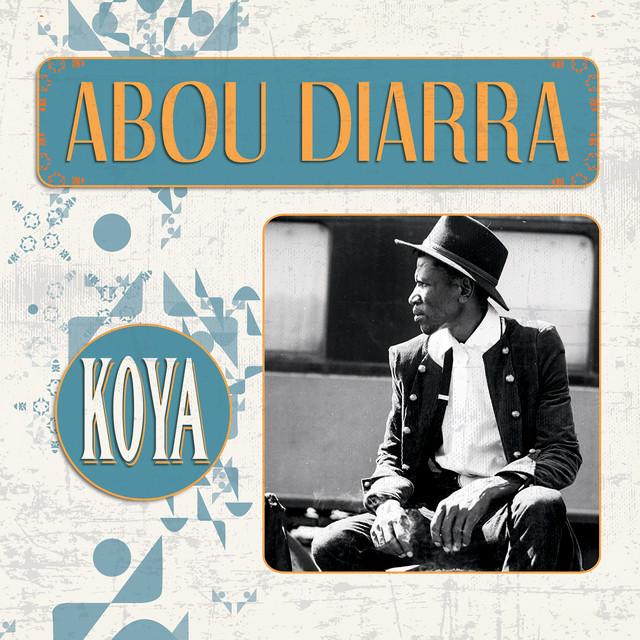
In 2011, Kar Kar released Mali Denhou for Lusafrica. The set included Boubacar's seasoned road band featuring Fassery Diabate on balafon, Madieye Niang on calabash, Mahamadou Kamissoko on ngoni, and old friend Vincent Bucher on harmonica. Traore resumed touring, playing festivals in Europe, Asia, and the U.S. as the album ascended to the Top Five of the world music charts. The following year, the album's distributor, Harmonia Mundi, repackaged the album as a two-fer with Kongo Magni for his 70th birthday. Three years later, Kar Kar cut the intimate Mbalimaou in Bamako with Bucher and a core group of African musicians on n'goni, percussion, and kora. Simple and clean, it recalled his earliest efforts and all but one song was written by the guitarist. It was co-produced by Christian Mousset and Ballaké Sissoko (who also contributed kora to several tracks). For 2017's Dounia Tabolo, Traore collected musicians from North America's Deep South, including violinist/washboardist Cedric Watson, guitarist Corey Harris, and Haitian-American vocalist Leyla McCalla, with Bucher resuming his role on harmonica (by this time he'd become Traore's musical alter ego) and Alassane Samake on calabash. Produced by Mousset, the 13-song set was comprised entirely of originals. ~ Chris Nickson, Rovi
Viberate is a music analytics platform built for A&Rs, artist managers, labels, booking agents, marketers, and artists.
It helps music professionals track artist growth, analyze audience data, monitor playlist activity, compare artists, follow song performance, and identify opportunities across the music market.
Public artist pages provide a free preview of selected artist data. Paid plans provide access to deeper analytics, historical data, charts, comparisons, playlist tools, exports, alerts, reports, and additional professional features.
Yes. Public Viberate artist pages provide selected artist analytics and music data for free.
Viberate also offers a 7-day free trial of the full platform. A credit card is required to start the trial. The trial includes access to the complete product so users can test deeper artist analytics, historical views, playlist insights, comparisons, charts, exports, alerts, and reporting features before choosing a paid plan.
Viberate provides artist analytics across streaming, playlists, social media, video, radio airplay, songs, and audience markets.
Users can analyze Spotify performance, Spotify and Apple Music playlists, YouTube activity, TikTok and Instagram growth, radio spins, song performance, audience locations, demographics, rankings, and overall artist momentum.
Artist profiles also connect to music charts, similar artists, and comparison tools, helping users benchmark performance and evaluate artists in context.
Viberate updates key artist and track data daily.
For followed artists and tracks, selected data is refreshed multiple times per day. This helps teams monitor playlist changes, streaming movement, audience growth, releases, and campaign performance with more current data.
Update frequency can vary depending on the metric and data source.
Yes. Viberate lets users compare up to five artists side by side across streaming, social media, audience, and engagement metrics.
Users can compare fanbase growth, audience demographics, locations, Spotify performance, social metrics, and other artist data over selected time periods.
Artist comparison can be used for A&R scouting, benchmarking, booking decisions, campaign planning, and evaluating artists with similar audiences or market positions.