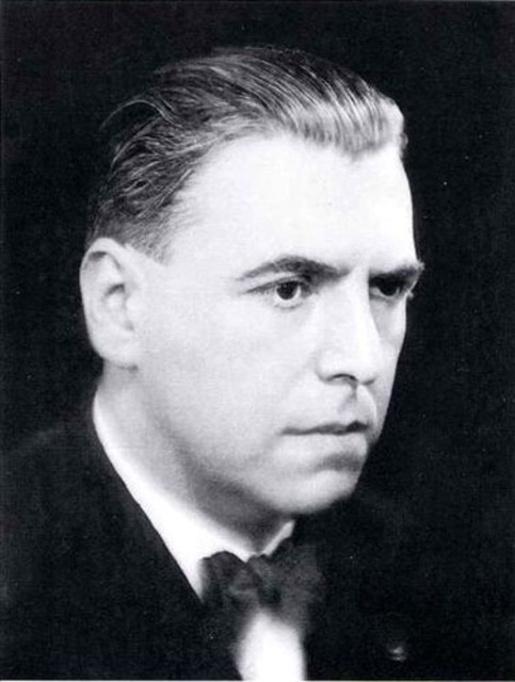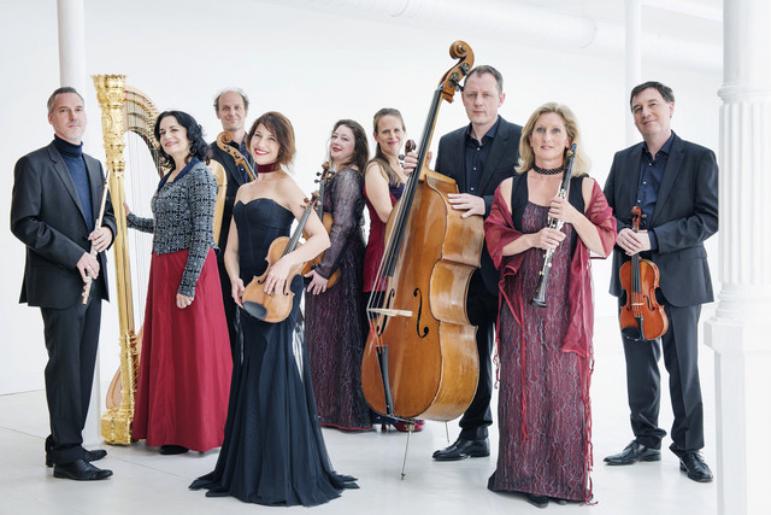
Guillaume Connesson

Classical
Classical Crossover
 Viberate Rank: 519678
 Viberate Rank: 519678
 Monthly ListenersFollowers
 Subscribers
 Followers
 Followers
 FansTop Spotify SongsTop YouTube VideosMonthly ListenersFeatured in Playlists
| Playlist | Followers | |
|---|---|---|
1 |  J'aime pas le classique, mais ça j'aime bien ! Filtr France | 19.66K |
2 |  Neo Classicals Alen Golpashin | 7.79K |
3 |  Chamber Music for Self-Renewal synergy555 | 4.21K |
4 |  Musique Classique (classical music) Armand Paris | 3.51K |
5 | Classical Saxophone 121482224 | 2.58K |
Audience| City | Monthly Listeners | |
|---|---|---|
1 | | 73 |
2 |  | 29 |
3 |  | 22 |
4 | | 20 |
5 |  | 18 |
See full performance history, audience data, playlist activity, rankings, comparisons, and more in Viberate music analytics. Start with a free trial, then continue with a paid plan.
Guillaume Connesson’s Spotify BioGuillaume Connesson has emerged as one of the more promising voices of the younger generation of French composers. He has won a number of prizes for his compositions, including the Nadia and Lili Boulanger Prize in 1999. His style has been described as highly individual in its generally accessible language, having hints of Ravel, Messiaen, Stravinsky, and others. Among his most successful works are Supernova for orchestra and Techno-Parade for flute, clarinet and piano.
Connesson was born in the Paris suburb of Boulogne-Billancourt in 1970. He took piano lessons in his youth and became quite accomplished on the instrument early on. Later he enrolled at the CNR (Conservatoire National de Région) in Boulogne-Billancourt, where he studied piano and choral music. More advanced study came at the CNSM (Conservatoire national supérieur de musique) in Paris, where he studied composition and orchestration. Among his most important teachers have been composer Marcel Landowski, conductor/pedagogue… Dominique Rouits and composer/conductor Alain Louvier.
Among Connesson's earliest successes was his orchestral work Fêtes du solstice, premiered at the Théâtre des Champs-Elysées in 1992. He continued to draw attention for the compositions that followed, including the orchestral piece Night-Club, written in 1996. By this time he was attracting many impressive commissions, which he met with his usual facility and highly individual imagination. His 1997 orchestral piece Supernova, written on a commission from the Montpellier Philharmonic Orchestra, which premiered the work, won the Cardin Prize of the Institute of France in 1998.
Subsequent compositions also quickly gained attention. Among them are his choral work Liturgies of the Shade (2000) and Night Scenes (2001), for orchestra. Among his first recordings has been the 2005 BMG release entitled Techno-Parade, which contained the titled work as well as other instrumental pieces, including Disco-Toccata (1994) and Jurassic Trip (1998).
While Connesson has achieved success in his native France, he has been making considerable headway abroad, as well: his 2005 orchestral work Une Lueur dans l'age sombre (A Glimmer in the Age of Darkness) was commissioned by the Royal Scottish National Orchestra and premiered by that ensemble in September 2005, under conductor Stéphane Denève, the work's dedicatee. It was given its Canadian premiere in November 2005 by the Toronto Symphony Orchestra, also under Denève's direction. Connesson has served as professor of orchestration at the CNR, Aubervilliers, France.
Viberate is a music analytics platform built for A&Rs, artist managers, labels, booking agents, marketers, and artists.
It helps music professionals track artist growth, analyze audience data, monitor playlist activity, compare artists, follow song performance, and identify opportunities across the music market.
Public artist pages provide a free preview of selected artist data. Paid plans provide access to deeper analytics, historical data, charts, comparisons, playlist tools, exports, alerts, reports, and additional professional features.
Yes. Public Viberate artist pages provide selected artist analytics and music data for free.
Viberate also offers a 7-day free trial of the full platform. A credit card is required to start the trial. The trial includes access to the complete product so users can test deeper artist analytics, historical views, playlist insights, comparisons, charts, exports, alerts, and reporting features before choosing a paid plan.
Viberate provides artist analytics across streaming, playlists, social media, video, radio airplay, songs, and audience markets.
Users can analyze Spotify performance, Spotify and Apple Music playlists, YouTube activity, TikTok and Instagram growth, radio spins, song performance, audience locations, demographics, rankings, and overall artist momentum.
Artist profiles also connect to music charts, similar artists, and comparison tools, helping users benchmark performance and evaluate artists in context.
Viberate updates key artist and track data daily.
For followed artists and tracks, selected data is refreshed multiple times per day. This helps teams monitor playlist changes, streaming movement, audience growth, releases, and campaign performance with more current data.
Update frequency can vary depending on the metric and data source.
Yes. Viberate lets users compare up to five artists side by side across streaming, social media, audience, and engagement metrics.
Users can compare fanbase growth, audience demographics, locations, Spotify performance, social metrics, and other artist data over selected time periods.
Artist comparison can be used for A&R scouting, benchmarking, booking decisions, campaign planning, and evaluating artists with similar audiences or market positions.