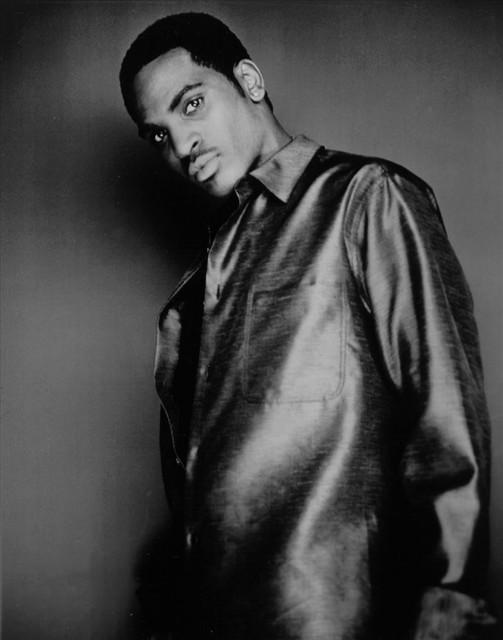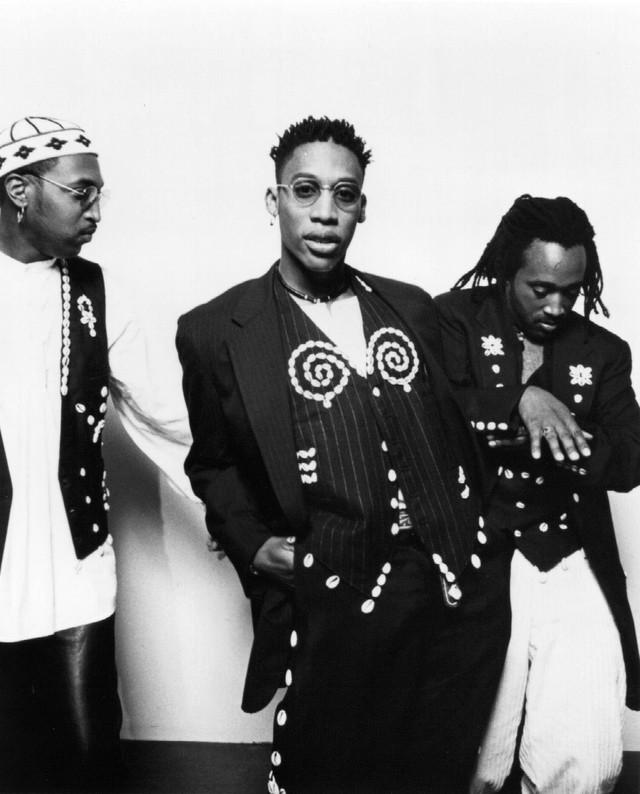
Grenique

R&B
Soul
Neo Soul
 Viberate Rank: 372228
 Viberate Rank: 372228
 Monthly ListenersFollowers
 Subscribers
 Followers
 Followers
 FansTop Spotify Songs
| Track | 7-Day Streams | |
|---|---|---|
1 | 245 | |
2 | 170 | |
3 | 151 | |
4 | 133 | |
5 | 78 |
Top YouTube Videos| Video | 7-Day Views | |
|---|---|---|
1 | 195 | |
2 | 5 | |
3 | 5 | |
4 | 4 | |
5 | 3 |
Monthly ListenersFeatured in Playlists| Playlist | Followers | |
|---|---|---|
1 | Neo Soul / Love Vibes Javar Lee | 6.94K |
2 | 105.1 Crossover Hits Cezar Abellera | 4.79K |
3 | Ballads, RnB, Soul Jabulani Shongwe | 4.75K |
4 |  Jimmy Butler (ig) Lena | 2.49K |
5 |  Crave You Majestic Casual | 2.19K |
Audience| City | Monthly Listeners | |
|---|---|---|
1 | | 54 |
2 | | 44 |
3 | | 42 |
4 |  | 41 |
5 | | 38 |
See full performance history, audience data, playlist activity, rankings, comparisons, and more in Viberate music analytics. Start with a free trial, then continue with a paid plan.
Grenique’s Spotify BioSoulful singer/songwriter and Maryland native Grenique grew up in a distinctively creative and musical family: her poet mother and percussionist father gave her the name Grenique because her father's name is Greg, and her mother knew she would be unique. They also gave her a thorough background in jazz and soul music, leading her to absorb elements of Ella Fitzgerald, Sarah Vaughan, Phyllis Hyman, Cameo, and Chaka Khan into her own approach.
Grenique began performing with vocal groups as a teen but felt her ideas would work best as a solo artist. Her goal of having a record deal by age 22 in mind, Grenique headed to New York City and met with entertainment attorneys, one of whom introduced her to producer Dahoud Darien. This connection led to meeting Kedar Massenburg, the president of Motown Records, as well as Chico DeBarge; the result was a record deal, the song "Disco" on the Rush Hour soundtrack, and a debut album, 1999's Black Butterfly. ~ Heather Phares, Rovi
Viberate is a music analytics platform built for A&Rs, artist managers, labels, booking agents, marketers, and artists.
It helps music professionals track artist growth, analyze audience data, monitor playlist activity, compare artists, follow song performance, and identify opportunities across the music market.
Public artist pages provide a free preview of selected artist data. Paid plans provide access to deeper analytics, historical data, charts, comparisons, playlist tools, exports, alerts, reports, and additional professional features.
Yes. Public Viberate artist pages provide selected artist analytics and music data for free.
Viberate also offers a 7-day free trial of the full platform. A credit card is required to start the trial. The trial includes access to the complete product so users can test deeper artist analytics, historical views, playlist insights, comparisons, charts, exports, alerts, and reporting features before choosing a paid plan.
Viberate provides artist analytics across streaming, playlists, social media, video, radio airplay, songs, and audience markets.
Users can analyze Spotify performance, Spotify and Apple Music playlists, YouTube activity, TikTok and Instagram growth, radio spins, song performance, audience locations, demographics, rankings, and overall artist momentum.
Artist profiles also connect to music charts, similar artists, and comparison tools, helping users benchmark performance and evaluate artists in context.
Viberate updates key artist and track data daily.
For followed artists and tracks, selected data is refreshed multiple times per day. This helps teams monitor playlist changes, streaming movement, audience growth, releases, and campaign performance with more current data.
Update frequency can vary depending on the metric and data source.
Yes. Viberate lets users compare up to five artists side by side across streaming, social media, audience, and engagement metrics.
Users can compare fanbase growth, audience demographics, locations, Spotify performance, social metrics, and other artist data over selected time periods.
Artist comparison can be used for A&R scouting, benchmarking, booking decisions, campaign planning, and evaluating artists with similar audiences or market positions.