Dwayne Wiggins

R&B
Contemporary R&B
Neo Soul
 Viberate Rank: 620229
 Viberate Rank: 620229
 Monthly ListenersFollowers
 Subscribers
 Followers
 Followers
 FansTop Spotify Songs
| Track | 7-Day Streams | |
|---|---|---|
1 | 456 | |
2 | 388 | |
3 | 282 | |
4 | 234 | |
5 | 199 |
Top YouTube VideosMonthly ListenersFeatured in Playlists| Playlist | Followers | |
|---|---|---|
1 |  Hip Hop, Rap, RnB, Soul, Pop torsteinius | 11.60K |
2 | TOO $HORT GREATEST HIT$ Javier Arvizu | 11.39K |
3 | TOO $HORT GREATEST HIT$ Black | 10.04K |
4 |  West Coast Hip Hop alexeiht | 7.25K |
5 | TOO SHORT BEST jhnunez1808 | 3.71K |
Audience| City | Monthly Listeners | |
|---|---|---|
1 | | 15 |
2 | | 12 |
3 | | 11 |
4 | | 9 |
5 | | 9 |
See full performance history, audience data, playlist activity, rankings, comparisons, and more in Viberate music analytics. Start with a free trial, then continue with a paid plan.
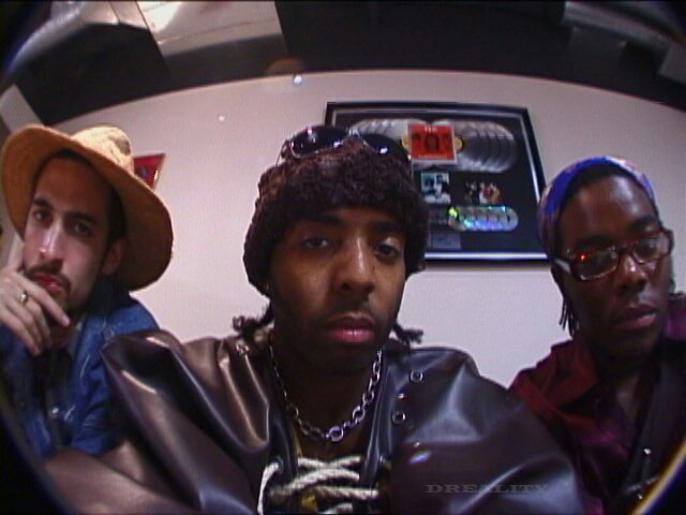
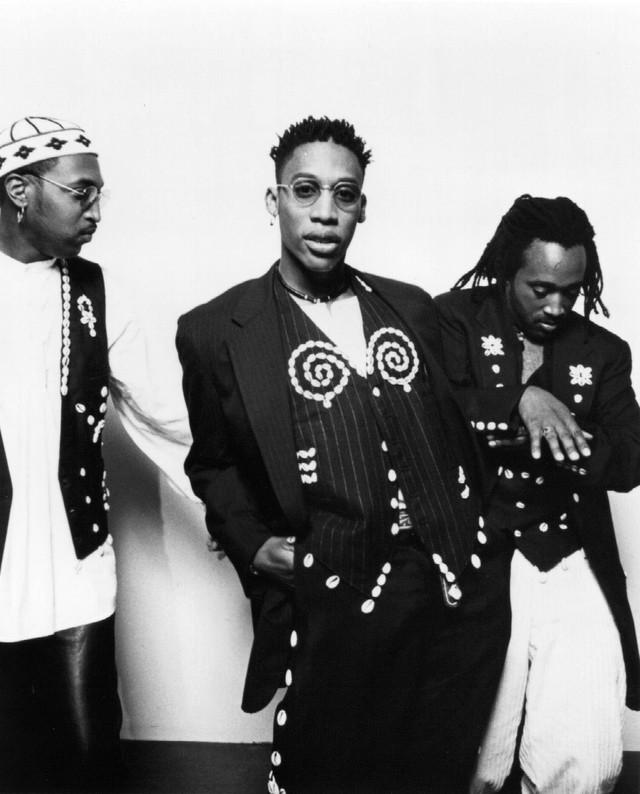
Dwayne Wiggins’ Spotify BioGuitarist/singer/songwriter/producer Dwayne Wiggins of Tony! Toni! Toné! made a startling solo debut on Eyes Never Lie, issued on May 2, 2000 by Motown Records. The recording artist's tenure with the soulful, fun loving group make him the perfect addition to Motown as the legendary label began the 21st Century as a fresh home for modern soul music.
Wiggins' rich history with Oakland, CA 's Tony! Toni! Toné! -- also including his brother, Raphael Saadiq, and their cousin, Timothy Christian -- includes 14 Billboard charting R&B singles, including five number one hits, three top 10 Pop singles, one gold album, two platinum albums and one double platinum album. The trio also appeared in the movie House Party 2 where Wiggins adheres to the group's sense of freshness, respect of the old school ethic and sense of humor.
An altercation with police sparked Wiggins' creative muse and lead to the creation of his debut single, "What's Really Going On (Strange Fruit)," which includes segments from… the Billie Holiday classic, "Strange Fruit. Saxophonist Najee guests on the album's jazzy remix of the song. Wiggins' high caliber musicianship and eclectic taste recalls earlier albums by the Brothers Johnson, the Isley Brothers, Prince and Narada Michael Walden. To help accomplish this, Wiggins enlisted some members of the "ol' skool." Larry Graham co-wrote the horns-punctuated song, "Music Is Power," with Wiggins and guest vocalist Darius Rucker of Hootie and the Blowfish. The track has a sample from Earth, Wind And Fire's "Shining Star" was orchestrated by veteran arranger Claire Fischer while the song, "Pushin' On," uses a sample from Bootsy Collins' "Munches for Your Love." In addition, legendary guitarist Carlos Santana co-wrote "Move With Me."
Wiggins' showcases his formidable fret board skills on a solo guitar piece, "Tribecca." Eyes Don't Lie is one of those unusual latter day albums. One can listen to it from beginning to end and actually feel as if one is listening to an album rather than a bunch of singles. Listeners get a sense of who the artist is. Wiggins certainly has his own identity outside of Tony! Toni! Toné! ~ Ed Hogan
Viberate is a music analytics platform built for A&Rs, artist managers, labels, booking agents, marketers, and artists.
It helps music professionals track artist growth, analyze audience data, monitor playlist activity, compare artists, follow song performance, and identify opportunities across the music market.
Public artist pages provide a free preview of selected artist data. Paid plans provide access to deeper analytics, historical data, charts, comparisons, playlist tools, exports, alerts, reports, and additional professional features.
Yes. Public Viberate artist pages provide selected artist analytics and music data for free.
Viberate also offers a 7-day free trial of the full platform. A credit card is required to start the trial. The trial includes access to the complete product so users can test deeper artist analytics, historical views, playlist insights, comparisons, charts, exports, alerts, and reporting features before choosing a paid plan.
Viberate provides artist analytics across streaming, playlists, social media, video, radio airplay, songs, and audience markets.
Users can analyze Spotify performance, Spotify and Apple Music playlists, YouTube activity, TikTok and Instagram growth, radio spins, song performance, audience locations, demographics, rankings, and overall artist momentum.
Artist profiles also connect to music charts, similar artists, and comparison tools, helping users benchmark performance and evaluate artists in context.
Viberate updates key artist and track data daily.
For followed artists and tracks, selected data is refreshed multiple times per day. This helps teams monitor playlist changes, streaming movement, audience growth, releases, and campaign performance with more current data.
Update frequency can vary depending on the metric and data source.
Yes. Viberate lets users compare up to five artists side by side across streaming, social media, audience, and engagement metrics.
Users can compare fanbase growth, audience demographics, locations, Spotify performance, social metrics, and other artist data over selected time periods.
Artist comparison can be used for A&R scouting, benchmarking, booking decisions, campaign planning, and evaluating artists with similar audiences or market positions.