Greg Davis

Electronic
Other Electronic Music
 Viberate Rank: 403229
 Viberate Rank: 403229
 Monthly ListenersFollowers
 Subscribers
 Followers
 Followers
 FansTop Spotify Songs
| Track | 7-Day Streams | |
|---|---|---|
1 | 128 | |
2 | 117 | |
3 | 26 | |
4 | 18 | |
5 | 18 |
Top YouTube VideosMonthly ListenersFeatured in Playlists| Playlist | Followers | |
|---|---|---|
1 |  Jacob's Optimum Music Feast Jacob Collier | 47.95K |
2 |  Mixtape #6 Oneohtrix Point Never "ooze from again" Spotify | 22.81K |
3 |  Duyster (all tracks ever played) Wike | 8.15K |
4 |  Analog / Modular Synth Kora | 5.76K |
5 |  Ghostly International Phology | 3.42K |
Audience| City | Monthly Listeners | |
|---|---|---|
1 | | 28 |
2 | | 25 |
3 | | 13 |
4 | | 12 |
5 |  | 11 |
See full performance history, audience data, playlist activity, rankings, comparisons, and more in Viberate music analytics. Start with a free trial, then continue with a paid plan.
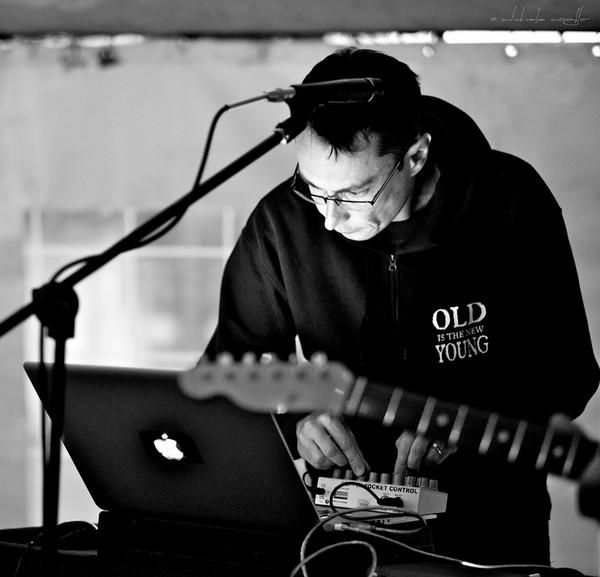
Greg Davis’ Spotify BioThe classically-trained Greg Davis, who has largely helped to define subgenres such as folktronica, laptop folk, and pastoral electronica, creates intricate and subtle compositions that merge organic, computer-generated sounds with warm, natural tones, live instrumentation, and field recordings, while referencing artists like Boards of Canada, Brian Wilson and The Incredible String Band. At Depaul University in Chicago, Davis studied classical and jazz guitar, as well as composition and Jazz Studies. In 1996, after years of working with hip-hop groups, jazz combos, free improvisation, and experimental composition, Greg Davis turned to computer-based music. In 1997, Davis started his own label, Autumn Recordings, and in 1999 moved to Boston to pursue his Master's degree in composition, which he received in 2001. By that time, Davis had become a fixture on the Boston experimental music scene, performing solo and as Parallel, with Don Mennerich. That year also saw the release of a various… artists CD called Autumnature on Davis' imprint, and the Clouds as Edges 7" on Grounded Records. In February of 2002, Carpark Records released Arbor, Davis' full-length debut, which would set the tone for his often whimsical and bucolic electronic pieces. In August of that year, Davis moved back to Chicago and began work on his follow-up record while touring extensively and globally. He has played with such influential acts as Animal Collective, Hrvatski, the legendary Zoviet France, David Grubbs, Blectum From Blechdom, Jan Jelinek, and Ogurusu Norihide. May of 2002 brought a split 7" on Autumn with Don Mennerich and in 2003, Davis put out a record on Melektronikk (the Precursors 7") and a live CD (Mort Aux Vaches) on experimental mainstay Staalplaat. Curling Pond Woods -- Greg Davis' sophomore release -- carries laptop folk to its logical extreme, but also quietly demolishes any genre constraints in the process. With a The Beach Boys cover setting the vibe for the album, Curling Pond Woods is Davis' first true opus, fundamentally a brilliant pop record that requires no other modifiers. ~ Charles Spano, Rovi
Viberate is a music analytics platform built for A&Rs, artist managers, labels, booking agents, marketers, and artists.
It helps music professionals track artist growth, analyze audience data, monitor playlist activity, compare artists, follow song performance, and identify opportunities across the music market.
Public artist pages provide a free preview of selected artist data. Paid plans provide access to deeper analytics, historical data, charts, comparisons, playlist tools, exports, alerts, reports, and additional professional features.
Yes. Public Viberate artist pages provide selected artist analytics and music data for free.
Viberate also offers a 7-day free trial of the full platform. A credit card is required to start the trial. The trial includes access to the complete product so users can test deeper artist analytics, historical views, playlist insights, comparisons, charts, exports, alerts, and reporting features before choosing a paid plan.
Viberate provides artist analytics across streaming, playlists, social media, video, radio airplay, songs, and audience markets.
Users can analyze Spotify performance, Spotify and Apple Music playlists, YouTube activity, TikTok and Instagram growth, radio spins, song performance, audience locations, demographics, rankings, and overall artist momentum.
Artist profiles also connect to music charts, similar artists, and comparison tools, helping users benchmark performance and evaluate artists in context.
Viberate updates key artist and track data daily.
For followed artists and tracks, selected data is refreshed multiple times per day. This helps teams monitor playlist changes, streaming movement, audience growth, releases, and campaign performance with more current data.
Update frequency can vary depending on the metric and data source.
Yes. Viberate lets users compare up to five artists side by side across streaming, social media, audience, and engagement metrics.
Users can compare fanbase growth, audience demographics, locations, Spotify performance, social metrics, and other artist data over selected time periods.
Artist comparison can be used for A&R scouting, benchmarking, booking decisions, campaign planning, and evaluating artists with similar audiences or market positions.