Alog

Electronic
Other Electronic Music
 Viberate Rank: 619492
 Viberate Rank: 619492
 Monthly ListenersFollowers
 Subscribers
 Followers
 Followers
 FansTop Spotify Songs
| Track | 7-Day Streams | |
|---|---|---|
1 | 28 | |
2 | 17 | |
3 | 15 | |
4 | 14 | |
5 | 13 |
Top YouTube VideosMonthly ListenersFeatured in Playlists| Playlist | Followers | |
|---|---|---|
1 |  Caribou - The Longest Mixtape: 1000+ Songs For You Caribou | 53.23K |
2 |  Indie ‘00s Ryan Schreiber | 1.85K |
3 |  Noise jazz experimental drone ambient avant-garde assault Yagga | 1.05K |
4 |  Blue Moon Lawrence (Dial Records) | 1.02K |
Audience| City | Monthly Listeners | |
|---|---|---|
1 |  | 11 |
2 | | 11 |
3 |  | 6 |
4 |  | 5 |
5 |  | 5 |
See full performance history, audience data, playlist activity, rankings, comparisons, and more in Viberate music analytics. Start with a free trial, then continue with a paid plan.
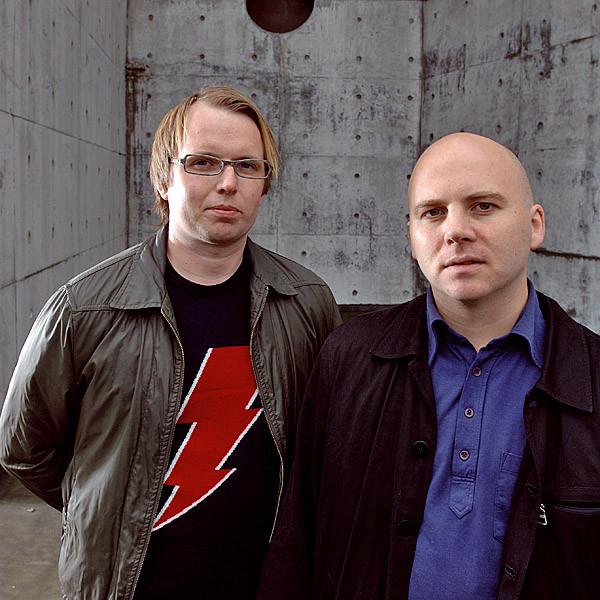
Alog’s Spotify BioUnder the Alog moniker, Dag-Are Haugan (b. 1970, Tromsø, Norway) and Epsen Sommer Eide (b. 1972, Oslo, Norway) create a strange hybrid of music that merges home studio recordings, analogue instruments, laptop technology, and extensive and meticulous post-processing. Haugan and Eide apparently came up with their Alog project name after they decided to rip-off the BASF logo for their sleeve artwork and so needed a four-letter name. They admit, in hindsight, it may have been inspired by the word analog. Echoing Eide’s Phonophani project which correlates the aversion people have towards genetic engineering with the distaste with which many view sample-based recording, the duo say they have no ‘sound hierarchy’, blending their own music with samples and found-sounds. Strangely, the duo initially began their collaboration in a kindergarten basement in Tromsø where they were able to set up their equipment after the children had gone home. This equipment included Eide’s laptop containing… discarded samples from his father’s big band record collection. Eide and Haugan have been self-described as, respectively, ‘Digitalman’ and ‘Analogman’, reflecting the duo’s roles when performing live: the former plays two laptops and the latter plays instruments such as analog synth and double bass bow on cymbal (in the studio, these roles are blurred). The duo admits that Eide’s recordings as Phonophani and Haugan’s recordings under his own name both impact on Alog, in terms of both ideas and actual sounds. Nicely, ‘As Complicated And As Beautiful As Always’ (from 2001’s Duck-Rabbit) was intended as a tribute to My Bloody Valentine, and was recorded 10 years after the release of that band’s legendary Loveless album. Bizarrely, however, what sounds like guitars on Alog’s recording is actually derived from a Commodore 64 game soundtrack.
Viberate is a music analytics platform built for A&Rs, artist managers, labels, booking agents, marketers, and artists.
It helps music professionals track artist growth, analyze audience data, monitor playlist activity, compare artists, follow song performance, and identify opportunities across the music market.
Public artist pages provide a free preview of selected artist data. Paid plans provide access to deeper analytics, historical data, charts, comparisons, playlist tools, exports, alerts, reports, and additional professional features.
Yes. Public Viberate artist pages provide selected artist analytics and music data for free.
Viberate also offers a 7-day free trial of the full platform. A credit card is required to start the trial. The trial includes access to the complete product so users can test deeper artist analytics, historical views, playlist insights, comparisons, charts, exports, alerts, and reporting features before choosing a paid plan.
Viberate provides artist analytics across streaming, playlists, social media, video, radio airplay, songs, and audience markets.
Users can analyze Spotify performance, Spotify and Apple Music playlists, YouTube activity, TikTok and Instagram growth, radio spins, song performance, audience locations, demographics, rankings, and overall artist momentum.
Artist profiles also connect to music charts, similar artists, and comparison tools, helping users benchmark performance and evaluate artists in context.
Viberate updates key artist and track data daily.
For followed artists and tracks, selected data is refreshed multiple times per day. This helps teams monitor playlist changes, streaming movement, audience growth, releases, and campaign performance with more current data.
Update frequency can vary depending on the metric and data source.
Yes. Viberate lets users compare up to five artists side by side across streaming, social media, audience, and engagement metrics.
Users can compare fanbase growth, audience demographics, locations, Spotify performance, social metrics, and other artist data over selected time periods.
Artist comparison can be used for A&R scouting, benchmarking, booking decisions, campaign planning, and evaluating artists with similar audiences or market positions.