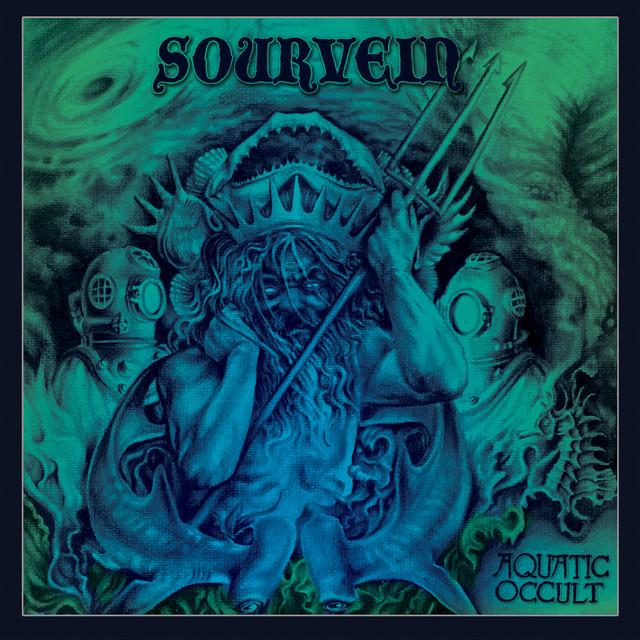
Graves at Sea

Metal
Doom/Sludge Metal
 Viberate Rank: 231343
 Viberate Rank: 231343
 Monthly ListenersFollowers
 Subscribers
 Followers
 Followers
 FansTop Spotify Songs
| Track | 7-Day Streams | |
|---|---|---|
1 | 482 | |
2 | 148 | |
3 | 146 | |
4 | 111 | |
5 | 90 |
Top YouTube VideosMonthly ListenersFeatured in Playlists| Playlist | Followers | |
|---|---|---|
1 |  Ultimate Sludge Metal Loudwire | 30.15K |
2 |  The Sound of Sludge Metal The Sounds of Spotify | 7.44K |
3 |  The Heaviest Doom/Sludge/Drone Metal 𝕰𝖒𝖕𝖊𝖎𝖗í𝖆_𝕬𝖇𝖆𝖉𝖉𝖔𝖓 | 5.41K |
4 |  Ultimate Stoner Rock & Metal Loudwire | 5.19K |
5 |  The Sound of Drone Metal The Sounds of Spotify | 4.21K |
Audience| City | Monthly Listeners | |
|---|---|---|
1 | | 41 |
2 | | 41 |
3 | | 33 |
4 | | 26 |
5 |  | 22 |
See full performance history, audience data, playlist activity, rankings, comparisons, and more in Viberate music analytics. Start with a free trial, then continue with a paid plan.
Graves at Sea’s Spotify BioA decibel-shattering sludge/doom quartet from Portland, Oregon, Graves at Sea spent their early days holding court deep in the Pacific Northwest underground metal scene. Formed in 2002 by longtime friends Nick Phit and Nathan Misterek, along with Roger Williams and Steve Klatz, the band issued a series of split 7" and EP releases, both independently and via labels like Southern Lord and 20 Buck Spin, between 2004 and 2014. Those years also saw the group enduring a breakup and multiple personnel changes, with vocalist Misterek and guitarist Phit holding fast as the sole original members. The band ultimately inked a deal with Relapse Records, and in 2015 released its much anticipated full-length debut, Curse That Is. ~ James Christopher Monger, Rovi
Viberate is a music analytics platform built for A&Rs, artist managers, labels, booking agents, marketers, and artists.
It helps music professionals track artist growth, analyze audience data, monitor playlist activity, compare artists, follow song performance, and identify opportunities across the music market.
Public artist pages provide a free preview of selected artist data. Paid plans provide access to deeper analytics, historical data, charts, comparisons, playlist tools, exports, alerts, reports, and additional professional features.
Yes. Public Viberate artist pages provide selected artist analytics and music data for free.
Viberate also offers a 7-day free trial of the full platform. A credit card is required to start the trial. The trial includes access to the complete product so users can test deeper artist analytics, historical views, playlist insights, comparisons, charts, exports, alerts, and reporting features before choosing a paid plan.
Viberate provides artist analytics across streaming, playlists, social media, video, radio airplay, songs, and audience markets.
Users can analyze Spotify performance, Spotify and Apple Music playlists, YouTube activity, TikTok and Instagram growth, radio spins, song performance, audience locations, demographics, rankings, and overall artist momentum.
Artist profiles also connect to music charts, similar artists, and comparison tools, helping users benchmark performance and evaluate artists in context.
Viberate updates key artist and track data daily.
For followed artists and tracks, selected data is refreshed multiple times per day. This helps teams monitor playlist changes, streaming movement, audience growth, releases, and campaign performance with more current data.
Update frequency can vary depending on the metric and data source.
Yes. Viberate lets users compare up to five artists side by side across streaming, social media, audience, and engagement metrics.
Users can compare fanbase growth, audience demographics, locations, Spotify performance, social metrics, and other artist data over selected time periods.
Artist comparison can be used for A&R scouting, benchmarking, booking decisions, campaign planning, and evaluating artists with similar audiences or market positions.