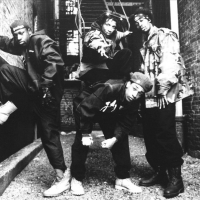
Gravediggaz

Hip Hop
Contemporary Hip Hop
 Viberate Rank: 62704
 Viberate Rank: 62704
 Monthly ListenersFollowers
 Subscribers
 Followers
 Followers
 FansTop Spotify Songs
| Track | 7-Day Streams | |
|---|---|---|
1 | 9.28K | |
2 | 6.65K | |
3 | 6.41K | |
4 | 6.33K | |
5 | 5.69K |
Top YouTube VideosMonthly ListenersFeatured in Playlists| Playlist | Followers | |
|---|---|---|
1 |  90s Hip Hop Classics Nick Minto | 222.71K |
2 |  Mid90s Soundtrack SoundtrackStunners | 74.03K |
3 | Hip Hop I Grew Up On Mike Shinoda | 73.44K |
4 |  Boom Bap Classics Ville Kyyny | 60.44K |
5 |  90s Skate Music 🛹 Ryder mf Lund | 55.94K |
Audience| City | Monthly Listeners | |
|---|---|---|
1 | | 2.10K |
2 | | 1.81K |
3 |  | 1.59K |
4 |  | 1.56K |
5 | | 1.53K |
See full performance history, audience data, playlist activity, rankings, comparisons, and more in Viberate music analytics. Start with a free trial, then continue with a paid plan.
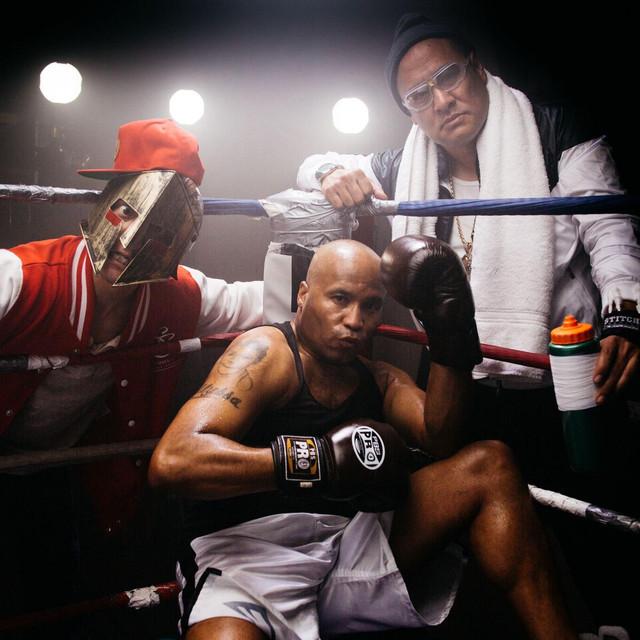
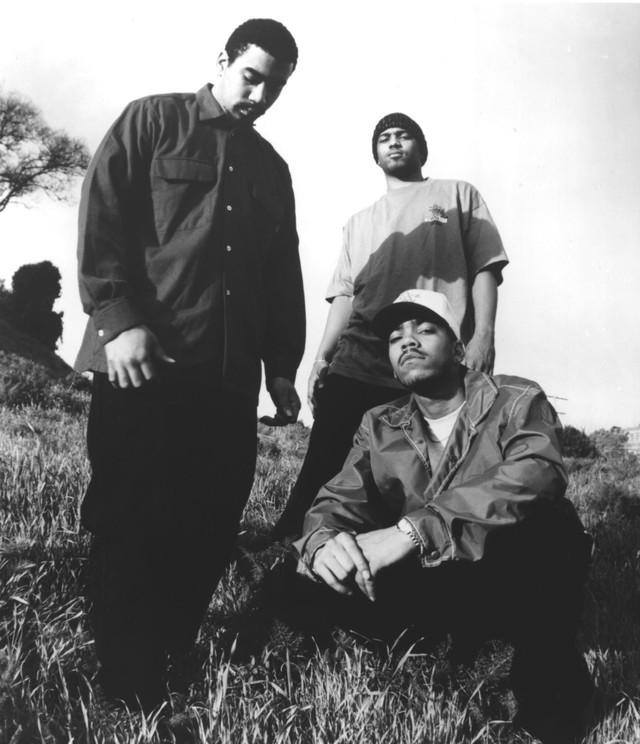
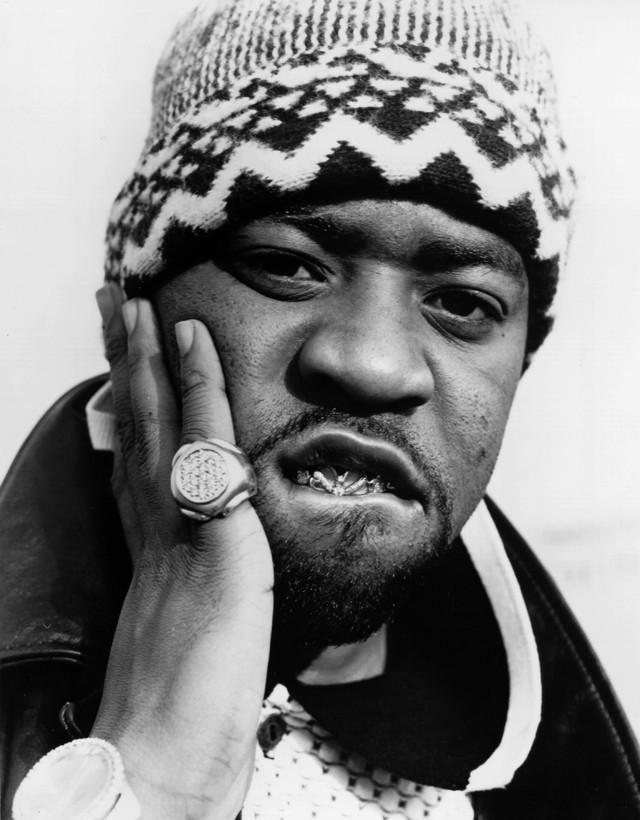
Gravediggaz’s Spotify BioGravediggaz's violent mixture of hardcore gangsta rap and heavy metal was labeled "horrorcore" by some in the press. The whole incident is somewhat ironic, considering the heritage of the group. The mastermind of the group, the Undertaker, is better known as Stetsasonic's Prince Paul (born Paul Huston), who has produced De La Soul among other alternative hip-hop groups. The other members include the Rzarector (RZA of Wu-Tang Clan), the Grym Reaper (Poetic), and the Gatekeeper (Frukwan; born Arnold Hamilton). Gravediggaz's 1994 debut album, Six Feet Deep, was a minor hit, breaking the Top 40 of the pop album charts and containing the single "Diary of a Madman." The Pick, the Sickle and the Shovel followed in 1997, and a year later the group returned with Scenes From the Graveyard. In July 2001, just one month before the release of their next album, group member Poetic passed away due to complications from colon cancer, but keeping with his wishes, the band continued on. ~ Stephen Thomas… Erlewine, Rovi
Viberate is a music analytics platform built for A&Rs, artist managers, labels, booking agents, marketers, and artists.
It helps music professionals track artist growth, analyze audience data, monitor playlist activity, compare artists, follow song performance, and identify opportunities across the music market.
Public artist pages provide a free preview of selected artist data. Paid plans provide access to deeper analytics, historical data, charts, comparisons, playlist tools, exports, alerts, reports, and additional professional features.
Yes. Public Viberate artist pages provide selected artist analytics and music data for free.
Viberate also offers a 7-day free trial of the full platform. A credit card is required to start the trial. The trial includes access to the complete product so users can test deeper artist analytics, historical views, playlist insights, comparisons, charts, exports, alerts, and reporting features before choosing a paid plan.
Viberate provides artist analytics across streaming, playlists, social media, video, radio airplay, songs, and audience markets.
Users can analyze Spotify performance, Spotify and Apple Music playlists, YouTube activity, TikTok and Instagram growth, radio spins, song performance, audience locations, demographics, rankings, and overall artist momentum.
Artist profiles also connect to music charts, similar artists, and comparison tools, helping users benchmark performance and evaluate artists in context.
Viberate updates key artist and track data daily.
For followed artists and tracks, selected data is refreshed multiple times per day. This helps teams monitor playlist changes, streaming movement, audience growth, releases, and campaign performance with more current data.
Update frequency can vary depending on the metric and data source.
Yes. Viberate lets users compare up to five artists side by side across streaming, social media, audience, and engagement metrics.
Users can compare fanbase growth, audience demographics, locations, Spotify performance, social metrics, and other artist data over selected time periods.
Artist comparison can be used for A&R scouting, benchmarking, booking decisions, campaign planning, and evaluating artists with similar audiences or market positions.