Graham Central Station

R&B
Funk
Contemporary R&B
Soul
 Viberate Rank: 88604
 Viberate Rank: 88604
 Monthly ListenersFollowers
 Subscribers
 Followers
 Followers
 FansTop Spotify Songs
| Track | 7-Day Streams | |
|---|---|---|
1 | 11.31K | |
2 | 10.54K | |
3 | 2.42K | |
4 | 1.67K | |
5 | 1.63K |
Top YouTube VideosMonthly ListenersFeatured in Playlists| Playlist | Followers | |
|---|---|---|
1 |  Funk Outta Here Spotify | 1.30M |
2 |  I Love My 70s Funk Spotify | 103.56K |
3 |  The Sopranos Soundtrack - Full Playlist cullen_strang | 51.50K |
4 |  Jacob's Optimum Music Feast Jacob Collier | 47.95K |
5 |  Indications' Inspirations Durand Jones & The Indications | 35.67K |
Audience| City | Monthly Listeners | |
|---|---|---|
1 |  | 614 |
2 | | 460 |
3 |  | 451 |
4 | | 446 |
5 | | 443 |
See full performance history, audience data, playlist activity, rankings, comparisons, and more in Viberate music analytics. Start with a free trial, then continue with a paid plan.
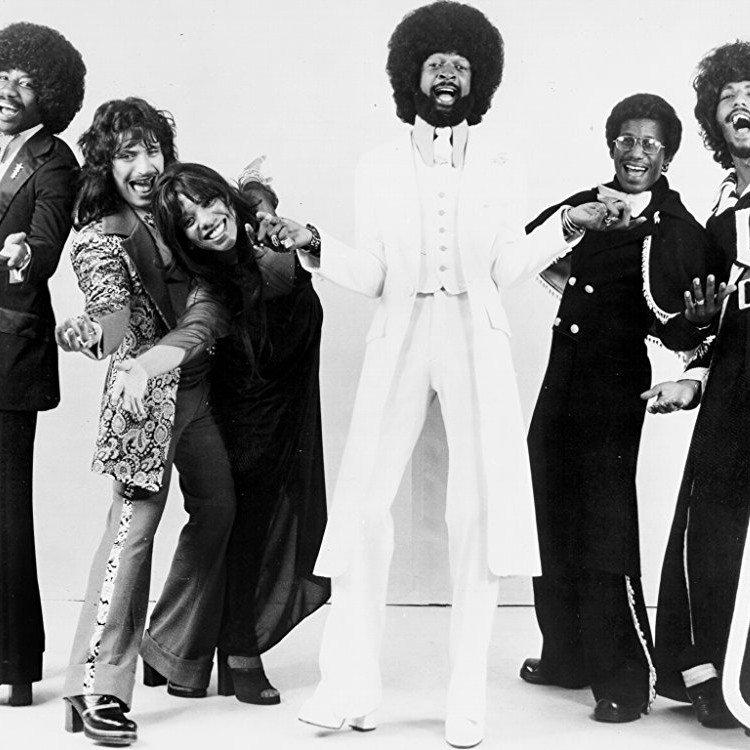
Graham Central Station’s Spotify BioAn exuberant mid-'70s funk group, Graham Central Station made some fine singles for Warner Bros. Former Sly & the Family Stone bassist Larry Graham renamed Hot Chocolate (not the British group) Graham Central Station after he moved from producing the group to playing with it. The group included Graham, guitarist David Vega, keyboardists Robert Sam and Hershall Kennedy, percussionist Patrice Banks, and drummer Willie Sparks. They utilized the identical funk cum rock and soul formula of Sly, though in not quite as imaginative a fashion. Their debut single, "Can You Handle It," reached number nine on the R&B charts, and they landed a number one record in 1975 with "Your Love." They recorded as Graham Central Station from 1974 to 1977, then as Larry Graham & Graham Central Station in 1978, and during their final year were called Larry Graham with Graham Central Station. ~ Ron Wynn, Rovi
Viberate is a music analytics platform built for A&Rs, artist managers, labels, booking agents, marketers, and artists.
It helps music professionals track artist growth, analyze audience data, monitor playlist activity, compare artists, follow song performance, and identify opportunities across the music market.
Public artist pages provide a free preview of selected artist data. Paid plans provide access to deeper analytics, historical data, charts, comparisons, playlist tools, exports, alerts, reports, and additional professional features.
Yes. Public Viberate artist pages provide selected artist analytics and music data for free.
Viberate also offers a 7-day free trial of the full platform. A credit card is required to start the trial. The trial includes access to the complete product so users can test deeper artist analytics, historical views, playlist insights, comparisons, charts, exports, alerts, and reporting features before choosing a paid plan.
Viberate provides artist analytics across streaming, playlists, social media, video, radio airplay, songs, and audience markets.
Users can analyze Spotify performance, Spotify and Apple Music playlists, YouTube activity, TikTok and Instagram growth, radio spins, song performance, audience locations, demographics, rankings, and overall artist momentum.
Artist profiles also connect to music charts, similar artists, and comparison tools, helping users benchmark performance and evaluate artists in context.
Viberate updates key artist and track data daily.
For followed artists and tracks, selected data is refreshed multiple times per day. This helps teams monitor playlist changes, streaming movement, audience growth, releases, and campaign performance with more current data.
Update frequency can vary depending on the metric and data source.
Yes. Viberate lets users compare up to five artists side by side across streaming, social media, audience, and engagement metrics.
Users can compare fanbase growth, audience demographics, locations, Spotify performance, social metrics, and other artist data over selected time periods.
Artist comparison can be used for A&R scouting, benchmarking, booking decisions, campaign planning, and evaluating artists with similar audiences or market positions.