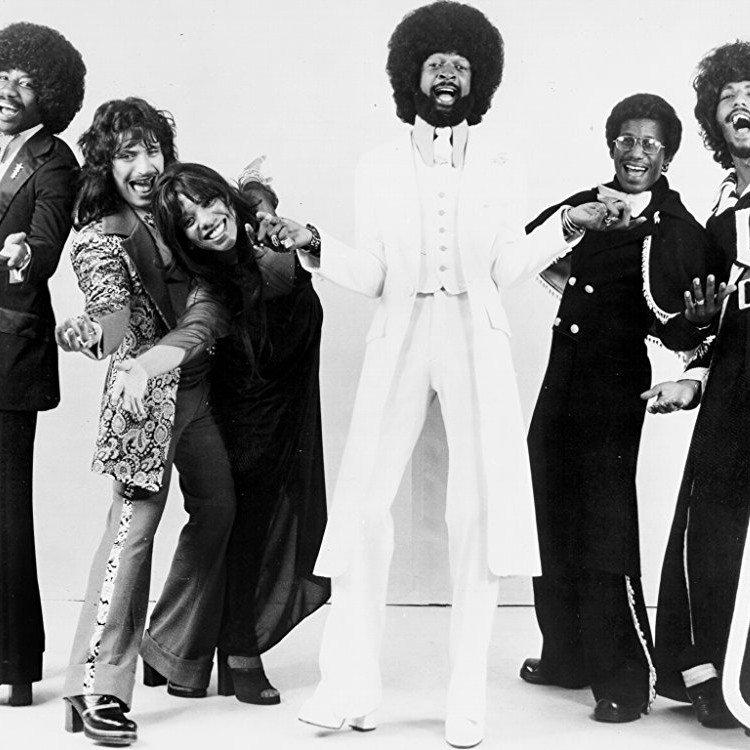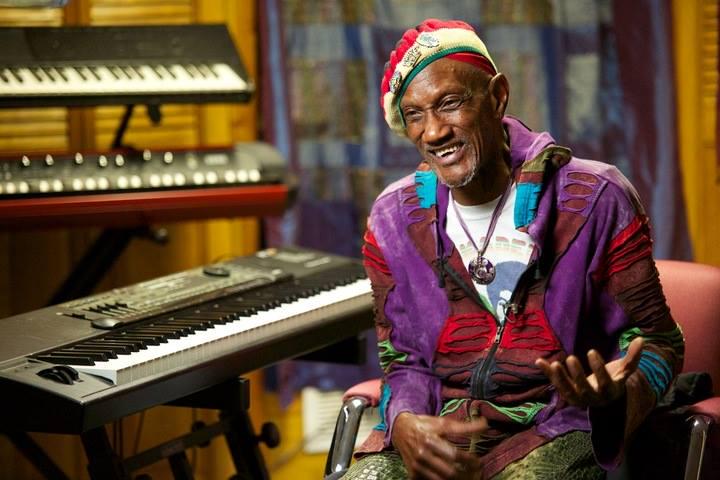
Bernie Worrell

R&B
Funk
Soul
Contemporary R&B
 Viberate Rank: 172023
 Viberate Rank: 172023
 Monthly ListenersFollowers
 Subscribers
 Followers
 Followers
 FansTop Spotify Songs
| Track | 7-Day Streams | |
|---|---|---|
1 | 1.58K | |
2 | 786 | |
3 | 480 | |
4 | 371 | |
5 | 221 |
Top YouTube Videos| Video | 7-Day Views | |
|---|---|---|
1 | 8 |
Monthly ListenersFeatured in Playlists| Playlist | Followers | |
|---|---|---|
1 |  MoogTube Spotify | 132.71K |
2 | Ignatious Pop 1 | 98.72K |
3 | "Perfect" Songs of All Genres, According to Various Forums (In NO Particular Order) For The Music Aficionados | 17.87K |
4 |  70s Soul/Funk, Disco Nicholas Cole | 16.85K |
5 |  NTS Radio Collection Jesse de Wit | 14.56K |
Audience| City | Monthly Listeners | |
|---|---|---|
1 | | 227 |
2 | | 166 |
3 | | 161 |
4 |  | 161 |
5 | | 139 |
See full performance history, audience data, playlist activity, rankings, comparisons, and more in Viberate music analytics. Start with a free trial, then continue with a paid plan.
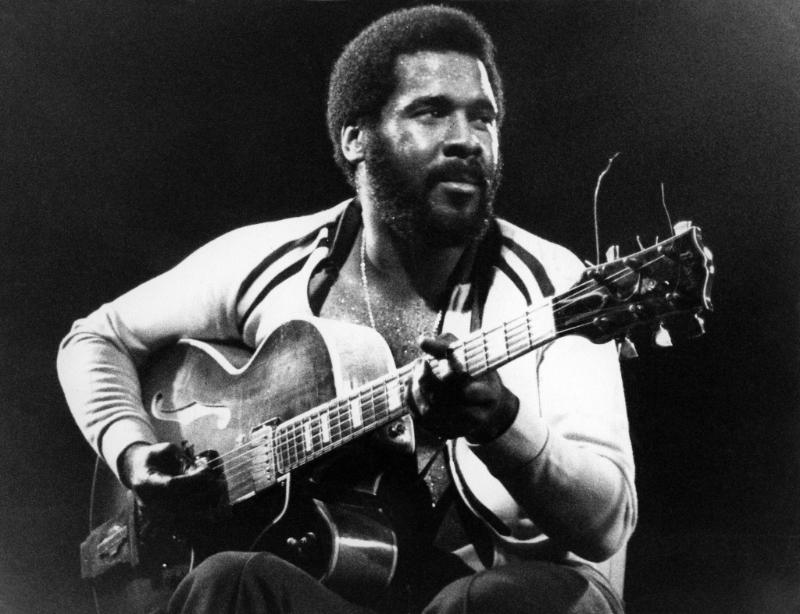
Bernie Worrell’s Spotify BioRaised in Plainfield, New Jersey, Bernie Worrell was a classically trained pianist at three years old. Throughout his childhood he played with symphonies and orchestras, and even wrote his own concerto at the age of eight. Slowly, he listened to the radio and discovered sounds other than classical, and when he went to college, he played with a number of bar bands, including the Tavares (who were known as Chubby & the Turnpikes back then). It was also around this time that Worrell met George Clinton, who was the vocalist for a Motown-influenced group called the Parliaments. The Parliaments soon split up and moved to Detroit, where Clinton re-formed them into a new group, called Parliament. Clinton then formed another side band, called Funkadelic, several of whose members had been in Parliament but were now performing under the new name due to contractual glitches. Worrell joined Funkadelic in 1970, beginning with their album Free Your Mind and Your Ass Will Follow. He was an essential… part of the P-Funk mob and continued to play with them right up until the early '80s. He then joined Talking Heads as a session man and went on tour with them throughout the '80s, basically working with David Byrne and the band right up to their split in early 1992. Besides his solo career, Worrell continued to work with members of P-Funk, including Bootsy Collins. His work on such songs as "Flashlight," "(Not Just) Knee Deep," and "Cosmic Slop" influenced not only other R&B/soul artists but also many rap groups, who extensively sampled his work in their own songs. Bernie Worrell died of lung cancer at his home in Everson, Washington in June 2016 at 72 years of age. ~ John Book, Rovi
Viberate is a music analytics platform built for A&Rs, artist managers, labels, booking agents, marketers, and artists.
It helps music professionals track artist growth, analyze audience data, monitor playlist activity, compare artists, follow song performance, and identify opportunities across the music market.
Public artist pages provide a free preview of selected artist data. Paid plans provide access to deeper analytics, historical data, charts, comparisons, playlist tools, exports, alerts, reports, and additional professional features.
Yes. Public Viberate artist pages provide selected artist analytics and music data for free.
Viberate also offers a 7-day free trial of the full platform. A credit card is required to start the trial. The trial includes access to the complete product so users can test deeper artist analytics, historical views, playlist insights, comparisons, charts, exports, alerts, and reporting features before choosing a paid plan.
Viberate provides artist analytics across streaming, playlists, social media, video, radio airplay, songs, and audience markets.
Users can analyze Spotify performance, Spotify and Apple Music playlists, YouTube activity, TikTok and Instagram growth, radio spins, song performance, audience locations, demographics, rankings, and overall artist momentum.
Artist profiles also connect to music charts, similar artists, and comparison tools, helping users benchmark performance and evaluate artists in context.
Viberate updates key artist and track data daily.
For followed artists and tracks, selected data is refreshed multiple times per day. This helps teams monitor playlist changes, streaming movement, audience growth, releases, and campaign performance with more current data.
Update frequency can vary depending on the metric and data source.
Yes. Viberate lets users compare up to five artists side by side across streaming, social media, audience, and engagement metrics.
Users can compare fanbase growth, audience demographics, locations, Spotify performance, social metrics, and other artist data over selected time periods.
Artist comparison can be used for A&R scouting, benchmarking, booking decisions, campaign planning, and evaluating artists with similar audiences or market positions.