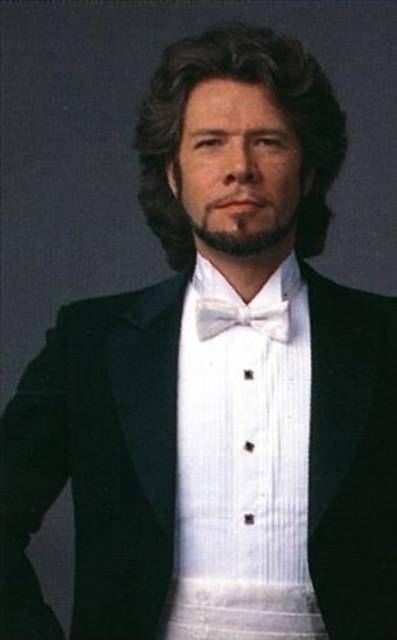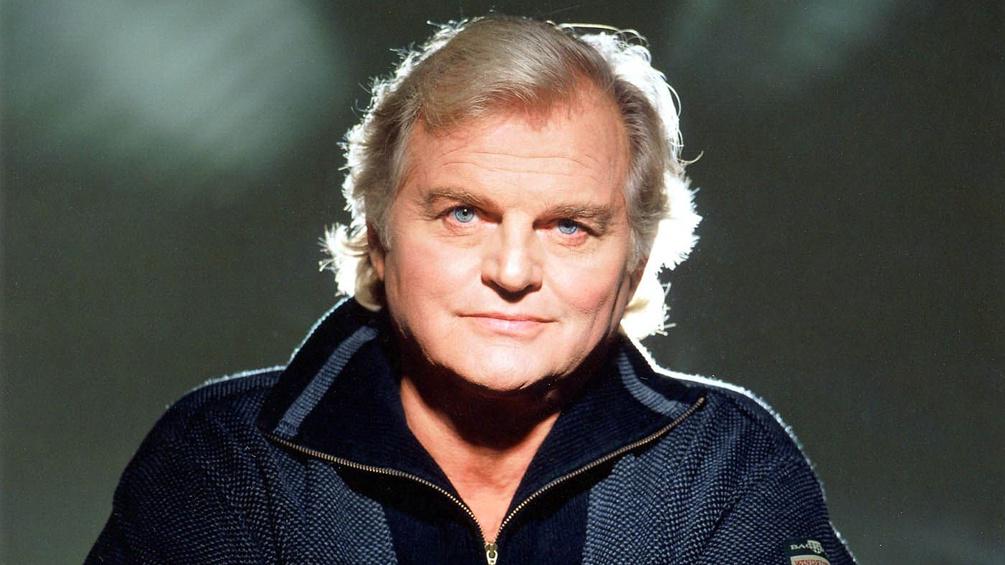
Gösta Winbergh

Classical
Chamber Music
Opera
 Viberate Rank: 322670
 Viberate Rank: 322670
 Monthly ListenersFollowers
 Subscribers
 Followers
 Followers
 FansTop Spotify Songs
| Track | 7-Day Streams | |
|---|---|---|
1 | 4.59K | |
2 | 1.41K | |
3 | 1.26K | |
4 | 1.20K | |
5 | 989 |
Top YouTube VideosMonthly ListenersFeatured in Playlists| Playlist | Followers | |
|---|---|---|
1 |  This Is Haydn Spotify | 91.91K |
2 |  Mozart - Complete Chronological Catalogue based on Köchel catalogue K6 Ulysses' Classical | 9.54K |
3 | Hannibal Lecter's playlist 1120679088 | 5.68K |
4 |  MÚSICA CLÁSICA: 200 temazos esenciales Juan Ceñal | 5.01K |
5 |  Lifehacker: Appreciating Classical Music Adam Powers | 4.98K |
Audience| City | Monthly Listeners | |
|---|---|---|
1 |  | 516 |
2 |  | 481 |
3 |  | 476 |
4 |  | 340 |
5 | | 331 |
See full performance history, audience data, playlist activity, rankings, comparisons, and more in Viberate music analytics. Start with a free trial, then continue with a paid plan.
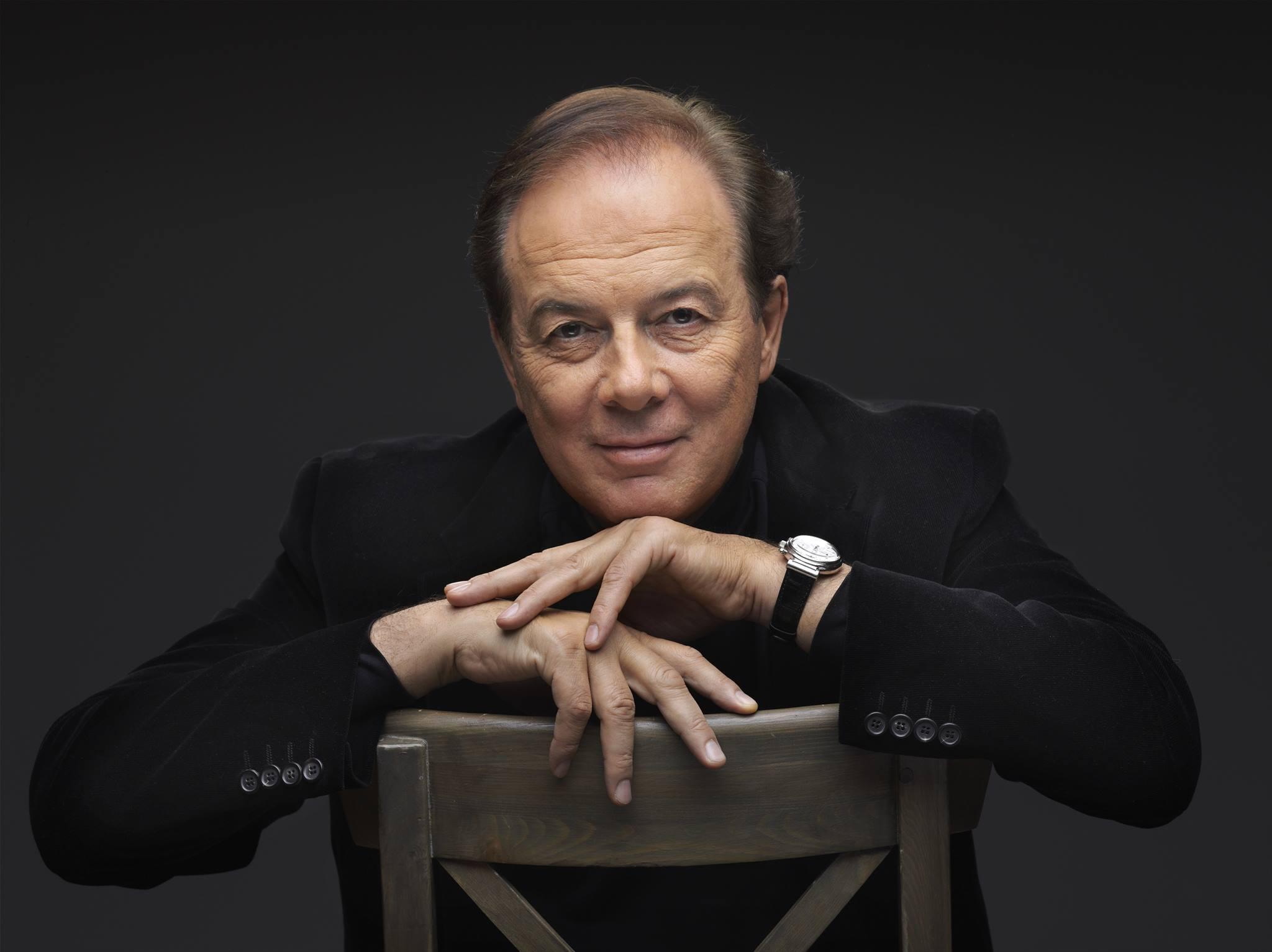
Gösta Winbergh’s Spotify BioAlthough he had enjoyed a distinguished career lasting three decades, Gösta Winbergh died prematurely while still in excellent voice. Thorough training and conscientious attention to vocal health enabled the tenor to move from primacy in Mozart roles into spinto, dramatic, and even heroic roles during his final ten years. With a broad, handsome face and a trim, sturdy physique, Winbergh was valued for the strength and manliness he brought first to the Mozart repertory and, later, to such roles as Walter von Stolzing, Lohengrin, Parsifal, and in the higher tessitura of Strauss' Bacchus. In the final years allotted to him, he even undertook such heldentenor roles as Tristan, Siegmund, and Siegfried, bringing to these the same firm, steady beauty of tone that had marked his work in the lyric repertory. Few singers of any voice range have ever made such a far-ranging transition while avoiding deterioration in sound and steadiness.
Winbergh's exposure to music came early through his mother,… a concert pianist. After a brief fling with pop music, the young man applied himself to serious music. Identified as having a promising voice, Winbergh was introduced to Martin Oehman, once a prominent Wagnerian before entering a second career as a teacher. Although Oehman had seemed a good choice (he listed Nicolai Gedda among his students), he died before Winbergh had completed a year's study. Shortly before his death, Oehman had referred the young tenor to Swedish baritone Erik Saedén, a respected artist and an advocate of placing the voice as naturally as possible. Following two years of vocal training, Winbergh joined the opera school in Stockholm and completed another two years of concentrated study.
Winbergh's professional stage debut in 1973 came in Göteborg, where he sang mostly lighter Romantic-period roles with occasional forays into operetta. After this solid experience, he was engaged by the Royal Opera in his native city and there began to specialize in Mozart, also undertaking concert work, both with orchestra and in recital. 1981 brought Winbergh to Zürich, where he stayed until 1986, establishing a residence where he remained even after he left the company. Soon, Winbergh had added Munich, Vienna, San Francisco, New York, Chicago, Milan, Berlin, London, and many other major houses and numerous festivals to his schedule.
Although heavier roles were largely future dreams in the 1980s, Winbergh began exploring that repertory in 1992 with a Lohengrin at Zürich. Subsequently, he essayed Parsifal in Berlin (after a Stockholm trial), Tristan in Stockholm and Vienna, and Siegmund in Zürich. In the meantime, he had added Walter in Die Meistersinger (sung in several major theaters) Gherman in Pique Dame, and the Emperor in Die Frau ohne Schatten (the latter two in Zürich).
Winbergh evinced little interest in contemporary opera, protesting that he was too decidedly a natural singer. His concern for maintaining a fresh voice led him to work with Nicolai Gedda for a number of years; even as he added the heaviest parts in the German repertory to his schedule, he retained a focused and unstrained top register for Strauss. His recorded Bacchus attests to that just as his ringing Florestan in an excellent Naxos recording of Fidelio melds lyric fluidity with dramatic strength. Winbergh was treasured by the finest conductors of his time. An artist of the first rank, he was also respected by his colleagues as a considerate, generous man.
Viberate is a music analytics platform built for A&Rs, artist managers, labels, booking agents, marketers, and artists.
It helps music professionals track artist growth, analyze audience data, monitor playlist activity, compare artists, follow song performance, and identify opportunities across the music market.
Public artist pages provide a free preview of selected artist data. Paid plans provide access to deeper analytics, historical data, charts, comparisons, playlist tools, exports, alerts, reports, and additional professional features.
Yes. Public Viberate artist pages provide selected artist analytics and music data for free.
Viberate also offers a 7-day free trial of the full platform. A credit card is required to start the trial. The trial includes access to the complete product so users can test deeper artist analytics, historical views, playlist insights, comparisons, charts, exports, alerts, and reporting features before choosing a paid plan.
Viberate provides artist analytics across streaming, playlists, social media, video, radio airplay, songs, and audience markets.
Users can analyze Spotify performance, Spotify and Apple Music playlists, YouTube activity, TikTok and Instagram growth, radio spins, song performance, audience locations, demographics, rankings, and overall artist momentum.
Artist profiles also connect to music charts, similar artists, and comparison tools, helping users benchmark performance and evaluate artists in context.
Viberate updates key artist and track data daily.
For followed artists and tracks, selected data is refreshed multiple times per day. This helps teams monitor playlist changes, streaming movement, audience growth, releases, and campaign performance with more current data.
Update frequency can vary depending on the metric and data source.
Yes. Viberate lets users compare up to five artists side by side across streaming, social media, audience, and engagement metrics.
Users can compare fanbase growth, audience demographics, locations, Spotify performance, social metrics, and other artist data over selected time periods.
Artist comparison can be used for A&R scouting, benchmarking, booking decisions, campaign planning, and evaluating artists with similar audiences or market positions.