God Macabre

Metal
Death Metal
 Viberate Rank: 325363
 Viberate Rank: 325363
 Monthly ListenersFollowers
 Subscribers
 Followers
 Followers
 FansTop Spotify Songs
| Track | 7-Day Streams | |
|---|---|---|
1 | 644 | |
2 | 251 | |
3 | 233 | |
4 | 178 | |
5 | 162 |
Top YouTube VideosMonthly ListenersFeatured in Playlists| Playlist | Followers | |
|---|---|---|
1 |  Death Metal Classics @MansenSankari | 127.47K |
2 |  DEATH METAL TOP 100 True Metal Playlists | 36.92K |
3 | Metal🤘🏻 Naydil González | 16.46K |
4 |  Old School Death Metal @MansenSankari | 11.01K |
5 |  Death Doom Metal DeathDoom_Metal | 6.36K |
Audience| City | Monthly Listeners | |
|---|---|---|
1 |  | 77 |
2 |  | 63 |
3 |  | 50 |
4 |  | 36 |
5 |  | 23 |
See full performance history, audience data, playlist activity, rankings, comparisons, and more in Viberate music analytics. Start with a free trial, then continue with a paid plan.
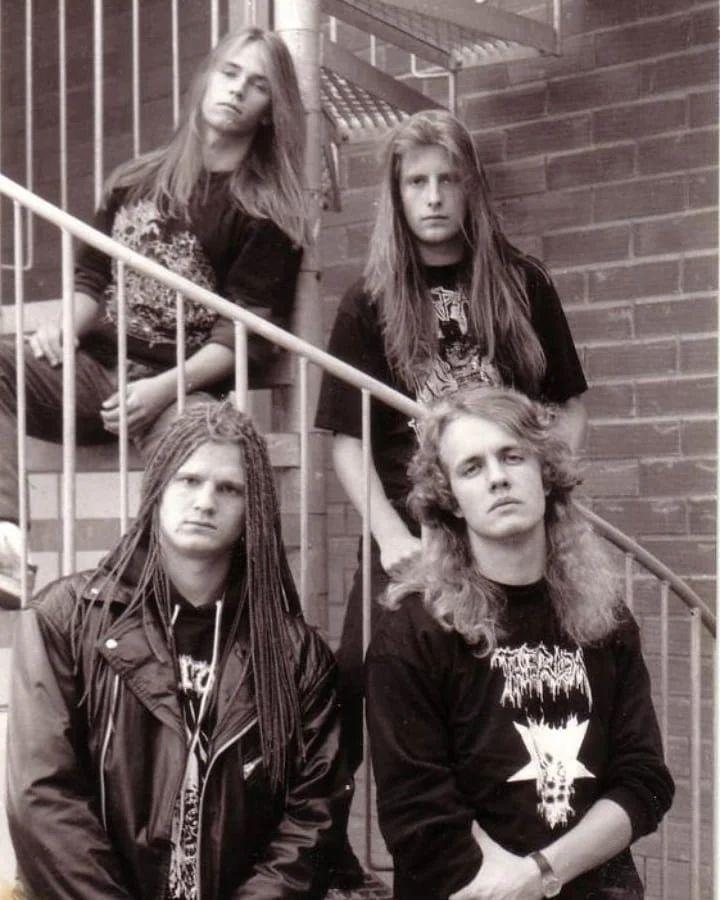
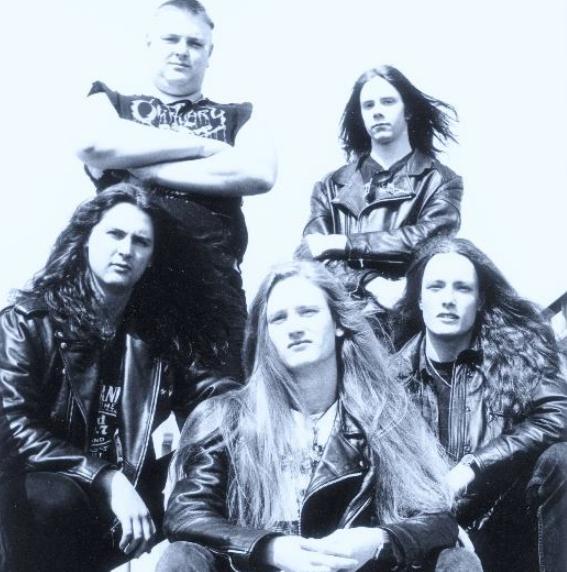
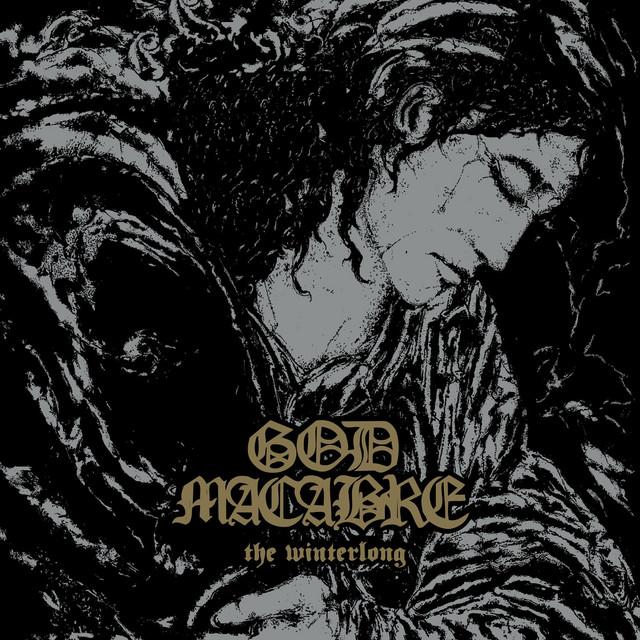
God Macabre’s Spotify BioOne of the unsung early champions in Sweden's thriving death metal scene of the early '90s, God Macabre was formed by vocalist Per Boder, guitarist Ola Sjoberg, bassist Tomas Johansson, and drummer Niklas Nilsson. Originally calling themselves Macabre End, the foursome, like many of their friends, wound up at Stockholm's Sunlight Studios, where engineer Tomas Skogsberg (soon to become a scene icon himself) helped them record a three-song demo in September 1990. Fast-forward to a year later, and the group had significantly refined their post-grindcore rumble into a subtly melodic, tightly performed, yet still furious barrage of sound. Recorded in December 1991 (with guitarist/bassist Jonas Stalhammer replacing Johansson), The Winterlong boasted all of the sonic traits which would come to epitomize the classic Swedish death metal style, later made famous by the likes of Dark Tranquility, At the Gates, and the awesome Entombed. Unfortunately, the album was never released outside Sweden… and quickly faded into obscurity as the band fell apart. It would, however, finally be released a decade later by Relapse Records, which also saw fit to include the band's demo recordings to boot. ~ Eduardo Rivadavia, Rovi
Viberate is a music analytics platform built for A&Rs, artist managers, labels, booking agents, marketers, and artists.
It helps music professionals track artist growth, analyze audience data, monitor playlist activity, compare artists, follow song performance, and identify opportunities across the music market.
Public artist pages provide a free preview of selected artist data. Paid plans provide access to deeper analytics, historical data, charts, comparisons, playlist tools, exports, alerts, reports, and additional professional features.
Yes. Public Viberate artist pages provide selected artist analytics and music data for free.
Viberate also offers a 7-day free trial of the full platform. A credit card is required to start the trial. The trial includes access to the complete product so users can test deeper artist analytics, historical views, playlist insights, comparisons, charts, exports, alerts, and reporting features before choosing a paid plan.
Viberate provides artist analytics across streaming, playlists, social media, video, radio airplay, songs, and audience markets.
Users can analyze Spotify performance, Spotify and Apple Music playlists, YouTube activity, TikTok and Instagram growth, radio spins, song performance, audience locations, demographics, rankings, and overall artist momentum.
Artist profiles also connect to music charts, similar artists, and comparison tools, helping users benchmark performance and evaluate artists in context.
Viberate updates key artist and track data daily.
For followed artists and tracks, selected data is refreshed multiple times per day. This helps teams monitor playlist changes, streaming movement, audience growth, releases, and campaign performance with more current data.
Update frequency can vary depending on the metric and data source.
Yes. Viberate lets users compare up to five artists side by side across streaming, social media, audience, and engagement metrics.
Users can compare fanbase growth, audience demographics, locations, Spotify performance, social metrics, and other artist data over selected time periods.
Artist comparison can be used for A&R scouting, benchmarking, booking decisions, campaign planning, and evaluating artists with similar audiences or market positions.