Convulse

Metal
Death Metal
Punk Rock
 Viberate Rank: 206957
 Viberate Rank: 206957
 Monthly ListenersFollowers
 Subscribers
 Followers
 Followers
 FansTop Spotify Songs
| Track | 7-Day Streams | |
|---|---|---|
1 | 2.08K | |
2 | 982 | |
3 | 632 | |
4 | 614 | |
5 | 479 |
Top YouTube Videos| Video | 7-Day Views | |
|---|---|---|
1 | 53 | |
2 | 37 | |
3 | 24 | |
4 | 17 | |
5 | 17 |
Monthly ListenersFeatured in Playlists| Playlist | Followers | |
|---|---|---|
1 |  Death Metal Classics @MansenSankari | 127.47K |
2 | Metal🤘🏻 Naydil González | 16.46K |
3 |  Death Metal Old School Stéphane Loisal | 12.90K |
4 |  Old School Death Metal @MansenSankari | 11.01K |
5 |  Death Doom Metal DeathDoom_Metal | 6.36K |
Audience| City | Monthly Listeners | |
|---|---|---|
1 |  | 159 |
2 |  | 106 |
3 |  | 105 |
4 | | 97 |
5 |  | 80 |
See full performance history, audience data, playlist activity, rankings, comparisons, and more in Viberate music analytics. Start with a free trial, then continue with a paid plan.
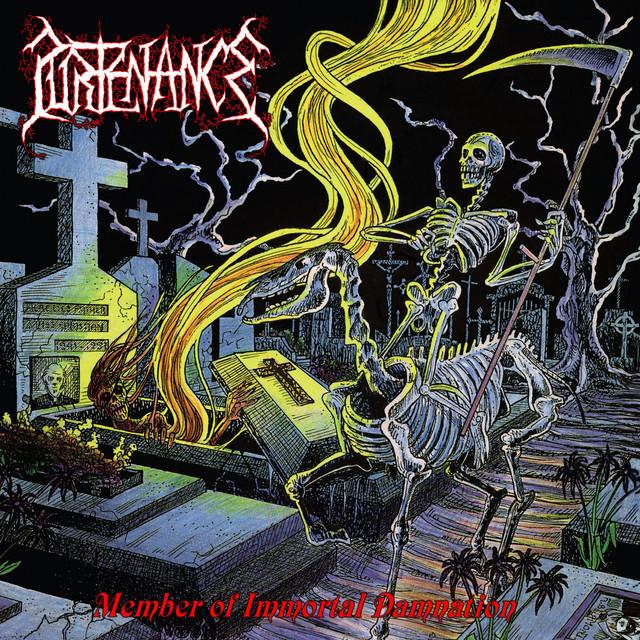
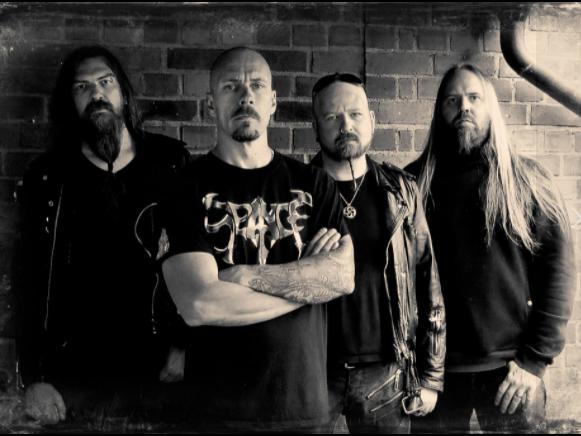
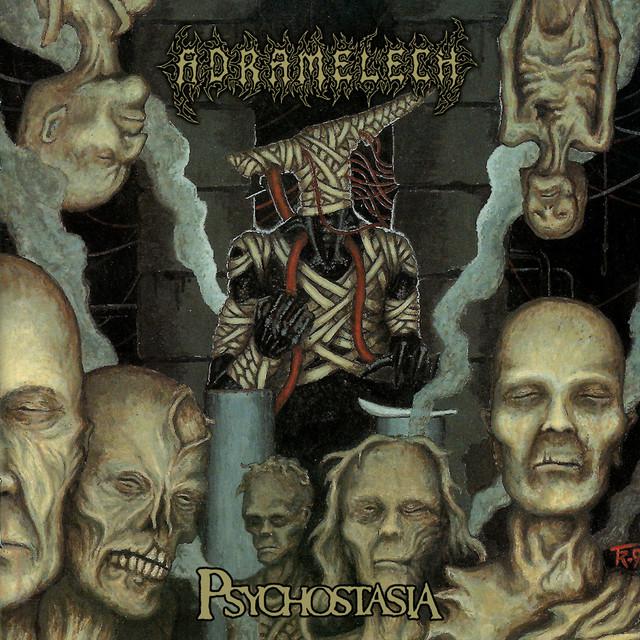
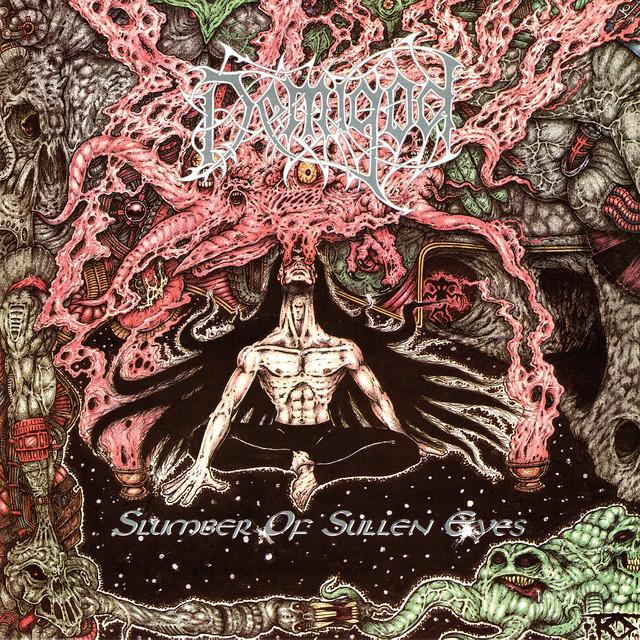
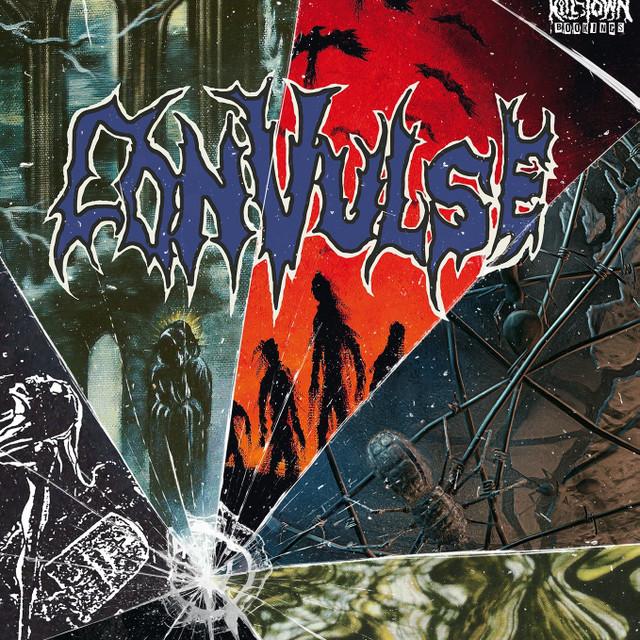
Convulse’s Spotify BioWhen Finland’s first Death Metal boom started in the late 80s/early 90s, among the first of the Finnish Death Metal troops in the frontline were the underground legends Convulse. Band churned out that dark, brutal, uncompromising style of Death Metal that the scene became well known for, culminating in the band’s 1991 debut album World Without God, released on the now-defunct French label Thrash Recs. Shortly after, Convulse followed in the footsteps of many of their contemporaries and began flirting more with Progressive Rock elements. They first experimented with these elements on their EP Lost Equilibrium 1992 and fully refined them on their second full-length Reflections, both of which were released on Relapse Records. The band called it quits in 1994, making this arguably Death’n’Roll style the last anyone would hear of Convulse for a long time. The band would return to the long fading limelight in 2012, ready to tread the path they helped pave decades ago and prove they were… stalwarts of Finnish Death Metal for a reason. They did just that with their EP Inner Evil and their comeback album Evil Prevails. History would partially repeat itself in 2016 when the band decided to revisit those prog-infused Death’n’Roll leanings they once experimented with on their fourth studio album Cycle of Revenge. On this release, they finally reached their full potential and created a unique and engaging sound, one that they have been cultivating ever since. Text: Luxi Lahtinen
Viberate is a music analytics platform built for A&Rs, artist managers, labels, booking agents, marketers, and artists.
It helps music professionals track artist growth, analyze audience data, monitor playlist activity, compare artists, follow song performance, and identify opportunities across the music market.
Public artist pages provide a free preview of selected artist data. Paid plans provide access to deeper analytics, historical data, charts, comparisons, playlist tools, exports, alerts, reports, and additional professional features.
Yes. Public Viberate artist pages provide selected artist analytics and music data for free.
Viberate also offers a 7-day free trial of the full platform. A credit card is required to start the trial. The trial includes access to the complete product so users can test deeper artist analytics, historical views, playlist insights, comparisons, charts, exports, alerts, and reporting features before choosing a paid plan.
Viberate provides artist analytics across streaming, playlists, social media, video, radio airplay, songs, and audience markets.
Users can analyze Spotify performance, Spotify and Apple Music playlists, YouTube activity, TikTok and Instagram growth, radio spins, song performance, audience locations, demographics, rankings, and overall artist momentum.
Artist profiles also connect to music charts, similar artists, and comparison tools, helping users benchmark performance and evaluate artists in context.
Viberate updates key artist and track data daily.
For followed artists and tracks, selected data is refreshed multiple times per day. This helps teams monitor playlist changes, streaming movement, audience growth, releases, and campaign performance with more current data.
Update frequency can vary depending on the metric and data source.
Yes. Viberate lets users compare up to five artists side by side across streaming, social media, audience, and engagement metrics.
Users can compare fanbase growth, audience demographics, locations, Spotify performance, social metrics, and other artist data over selected time periods.
Artist comparison can be used for A&R scouting, benchmarking, booking decisions, campaign planning, and evaluating artists with similar audiences or market positions.