Gnod

Rock
Psychedelic Rock
Noise Rock
 Viberate Rank: 173120
 Viberate Rank: 173120
 Monthly ListenersFollowers
 Subscribers
 Followers
 Followers
 FansTop Spotify Songs
| Track | 7-Day Streams | |
|---|---|---|
1 | 1.40K | |
2 | 1.00K | |
3 | 575 | |
4 | 406 | |
5 | 342 |
Top YouTube VideosMonthly ListenersFeatured in Playlists| Playlist | Followers | |
|---|---|---|
1 |  EOTR 2026 End Of The Road Festival | 11.56K |
2 |  Add to playlist: the Guardian’s favourite new tracks Guardian Music | 10.52K |
3 |  Le Guess Who? 2026 leguesswho | 9.14K |
4 |  🌶️ To The Teeth | New Metal To The Teeth | 8.80K |
5 | space rock & psychedelia Edson Alejandro Adame | 8.05K |
Audience| City | Monthly Listeners | |
|---|---|---|
1 | | 483 |
2 |  | 230 |
3 | | 188 |
4 |  | 186 |
5 |  | 166 |
See full performance history, audience data, playlist activity, rankings, comparisons, and more in Viberate music analytics. Start with a free trial, then continue with a paid plan.
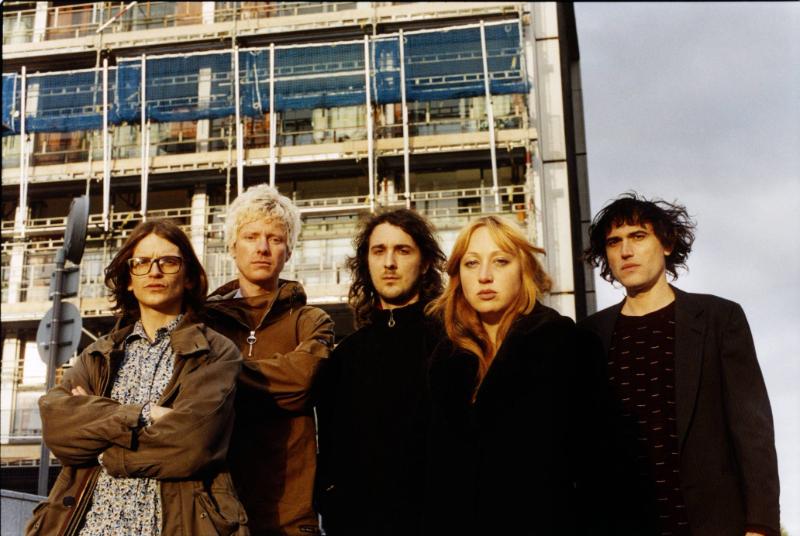
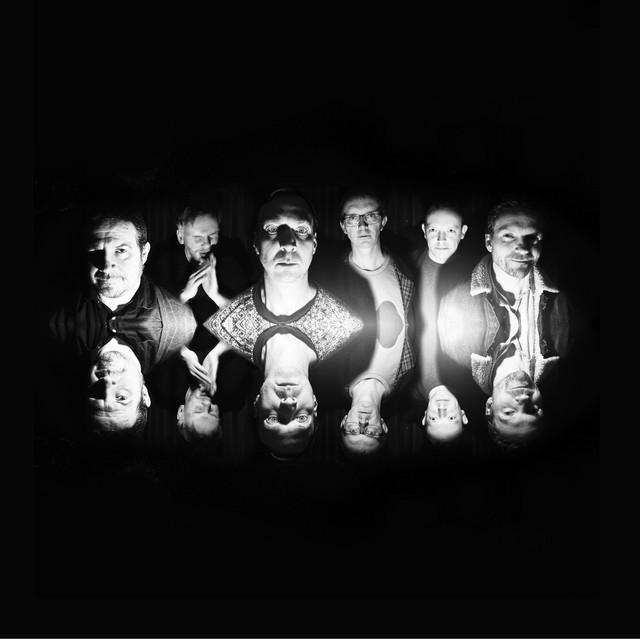
Gnod’s Spotify BioGnod are a psychedelic noise-rock collective from Manchester, England. Since forming in 2006, the group has had an ever-shifting lineup of multi-instrumentalists and vocalists, but some of the group's key members have included Paddy Shine, Chris Haslam, Neil Francis, and Marlene Ribeiro. Along with their roster, Gnod's music has constantly evolved and morphed, ranging from hallucinatory Krautrock-influenced folk to dubby, acid-drenched post-punk. Their music is far more aggressive and darker than most bands associated with the modern psychedelic rock scene, having as much in common with Public Image Ltd. or Swans as with Hawkwind or Guru Guru. The group's lyrics and album artwork often mock religion (particularly on albums like 2011's In Gnod We Trust), and are heavily critical of politics and society, as evidenced by releases like 2017's Just Say No to the Psycho Right-Wing Capitalist Fascist Industrial Death Machine. Gnod have been acclaimed for their immersive performances and… installations that involve audience participation, and they have performed at festivals such as Roadburn and the Liverpool International Festival of Psychedelia. They have released collaborations with artists such as White Hills, Justin Broadrick, percussionist João Pais Filipe, and others.
Gnod made their debut in 2007 with a self-released CD-R titled Abstehen der Ohren. The following year, Sloow Tapes released the group's cassette The Somnambulist's Tale. They also collaborated with American space rock band White Hills for the first time, resulting in the limited tour CD-R Aquarian Downer. They released several other limited CD-Rs and cassettes, but their vinyl debut was a self-titled 2009 LP issued by Pariah Child. The same year, they released a split 7"/CD-R with U.K. doom-psych band Bong, as well as a second collaboration with White Hills, Drop Out. Their third collaboration, Gnod Drop Out with White Hills II, appeared on Rocket Recordings in 2010. The double-LP's sprawling Krautrock-influenced jams made an impact on the modern psych scene, and the album was re-pressed several times over the following years. Later in 2010, Not Not Fun released a split 7" between Gnod and Robedoor as part of the label's Bored Fortress series.
Gnod kicked off 2011 by sharing a split LP with A Middle Sex, released by Blackest Rainbow. Rocket released In Gnod We Trust in June, and the first of two volumes of Chaudelande appeared on Tamed Records in October. The second was released in 2012. Gnod put out splits with Gammelfleisch and Shit & Shine, and their 7" single "5th Sun" appeared on Trensmat. The same label also released Gnod Presents Dwellings & Druss, a techno-influenced LP featuring solo tracks by Haslam and Shine. Also in 2013, Rocket issued a CD compiling the tracks from both Chaudelande albums, and in 2014, Gnod shared a limited-split 7" with Eternal Tapestry as part of God Unknown Records' singles club. Belgian label Aguirre Records reissued The Somnambulist's Tale on vinyl.
Gnod's ambitious double-CD/triple-LP Infinity Machines was released by Rocket in 2015. Consisting of lengthy hypnotic soundscapes incorporating influences such as free jazz and dark ambient, the album also contained more politically oriented lyrics than their prior work. This continued with the dark, dubby post-punk of 2016's Mirror, also released by Rocket. Gnod released Behind the Lids, a drone collaboration with Anthony Child (Surgeon), the same year. In 2017, they responded to the political climate with Just Say No to the Psycho Right-Wing Capitalist Fascist Industrial Death Machine. The concert recording Live at Roadburn 2012 was also issued.
Gnod swiftly returned in 2018 with Chapel Perilous, which took its name from the philosophical writings of Robert Anton. Another set recorded at Roadburn was released as Be Aware of Your Limitations. In 2020, Gnod released Faca de Fogo, a collaboration with Portuguese percussionist João Pais Filipe. Additionally, the Quietus digitally released the remix EP JK Flesh vs. Gnod. Easy to Build, Hard to Destroy, a compilation of early rarities, was issued in 2021, preceding the release of the next proper album, Mort Du Sens, later the same year. That summer members of the group headed to a co-op house, the Nutclough Tavern, in Hebden Bridge, West Yorkshire. There, led by Paddy Shine, the band was inspired by the small town's location and the conversations of the people living there. Together with Sam Greenwood, they headed to the Hebden Bridge Underground studios to record new material with the resulting sessions eventually becoming 2022's Hexen Valley. ~ Paul Simpson, Rovi
Viberate is a music analytics platform built for A&Rs, artist managers, labels, booking agents, marketers, and artists.
It helps music professionals track artist growth, analyze audience data, monitor playlist activity, compare artists, follow song performance, and identify opportunities across the music market.
Public artist pages provide a free preview of selected artist data. Paid plans provide access to deeper analytics, historical data, charts, comparisons, playlist tools, exports, alerts, reports, and additional professional features.
Yes. Public Viberate artist pages provide selected artist analytics and music data for free.
Viberate also offers a 7-day free trial of the full platform. A credit card is required to start the trial. The trial includes access to the complete product so users can test deeper artist analytics, historical views, playlist insights, comparisons, charts, exports, alerts, and reporting features before choosing a paid plan.
Viberate provides artist analytics across streaming, playlists, social media, video, radio airplay, songs, and audience markets.
Users can analyze Spotify performance, Spotify and Apple Music playlists, YouTube activity, TikTok and Instagram growth, radio spins, song performance, audience locations, demographics, rankings, and overall artist momentum.
Artist profiles also connect to music charts, similar artists, and comparison tools, helping users benchmark performance and evaluate artists in context.
Viberate updates key artist and track data daily.
For followed artists and tracks, selected data is refreshed multiple times per day. This helps teams monitor playlist changes, streaming movement, audience growth, releases, and campaign performance with more current data.
Update frequency can vary depending on the metric and data source.
Yes. Viberate lets users compare up to five artists side by side across streaming, social media, audience, and engagement metrics.
Users can compare fanbase growth, audience demographics, locations, Spotify performance, social metrics, and other artist data over selected time periods.
Artist comparison can be used for A&R scouting, benchmarking, booking decisions, campaign planning, and evaluating artists with similar audiences or market positions.