Hey Colossus

Rock
Alternative Rock
Noise Rock
 Viberate Rank: 259396
 Viberate Rank: 259396
 Monthly ListenersFollowers
 Subscribers
 Followers
 Followers
 FansTop Spotify Songs
| Track | 7-Day Streams | |
|---|---|---|
1 | 189 | |
2 | 121 | |
3 | 88 | |
4 | 60 | |
5 | 57 |
Top YouTube VideosMonthly ListenersFeatured in Playlists| Playlist | Followers | |
|---|---|---|
1 |  Glastonbury 2019 RM | 14.13K |
2 | 5.1+ Surround Sound Audio Test Sven Kruse | 12.18K |
3 |  Duyster (all tracks ever played) Wike | 8.15K |
4 | space rock & psychedelia Edson Alejandro Adame | 8.05K |
5 |  The Sound of Noise Rock The Sounds of Spotify | 6.06K |
Audience| City | Monthly Listeners | |
|---|---|---|
1 | | 109 |
2 | | 39 |
3 | | 23 |
4 |  | 15 |
5 | | 15 |
See full performance history, audience data, playlist activity, rankings, comparisons, and more in Viberate music analytics. Start with a free trial, then continue with a paid plan.
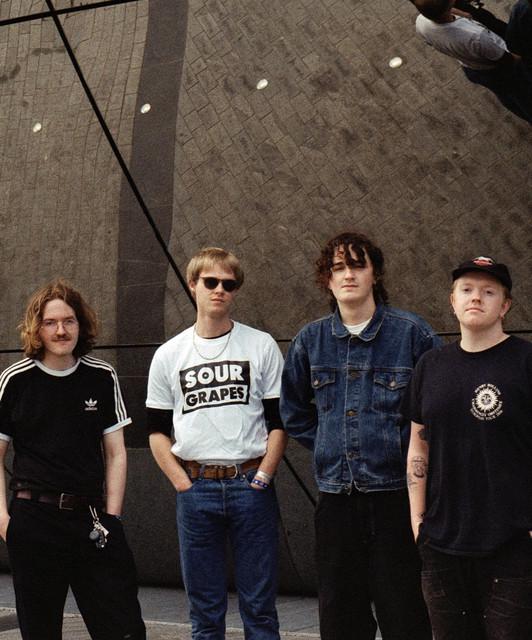
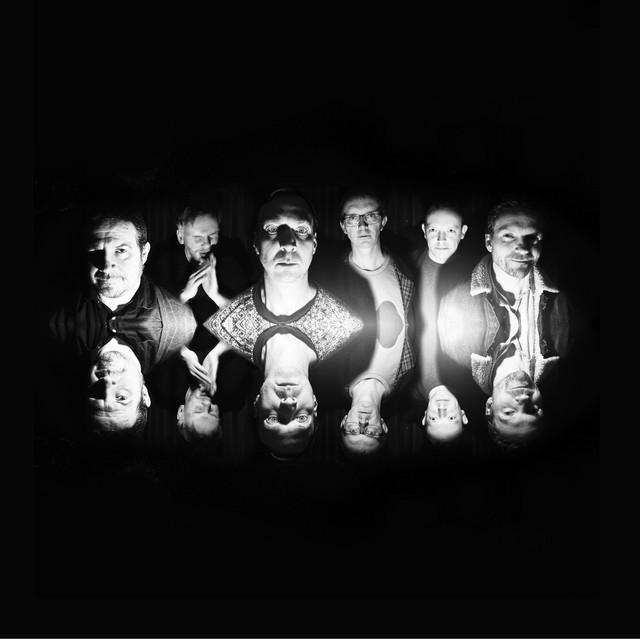
Hey Colossus’ Spotify BioHey Colossus are one of Europe's great live bands. Since 2003, the six-piece has been driving around the continent with their “pirate ship” backline of broken amps and triple-guitar drang, elevating audiences in every type of venue imaginable; a doctor’s waiting room in Salford, an industrial unit in Liege and a vast field next to a river in Portugal. Wherever they may roam.
Hey Colossus was formed by childhood friends Joe Thompson and Robert Davis in 2003, together with Ian Scanlon, Tim Hall and James Parker. Their debut album, Hey Colossus Hates You, was released on the band’s own Jonson Family label in 2004. They have since released a further ten studio albums and various splits, singles and EPs on a number of labels.
By 2008, the lineup had stabilised around Thompson and Davis together with vocalist Paul Sykes, drummer Rhys Llewellyn, and guitarists Jonathan Richards and Tim Farthing. This incarnation would produce some of the band’s most stylistically diverse work.
Following the… departure of Richards, Hey Colossus were joined by Tim’s brother Roo Farthing for the 2017 album The Guillotine, their most refined and politicised record to date.
After extensive touring to promote The Guillotine, the Farthing brothers left the band to pursue other projects (Reigns and Henry Blacker). They were replaced by long-time associate Chris Summerlin (Grey Hairs, Haress, Kogumaza, Lords) and Will Pearce of the Bristol noise rock band Pohl.
Viberate is a music analytics platform built for A&Rs, artist managers, labels, booking agents, marketers, and artists.
It helps music professionals track artist growth, analyze audience data, monitor playlist activity, compare artists, follow song performance, and identify opportunities across the music market.
Public artist pages provide a free preview of selected artist data. Paid plans provide access to deeper analytics, historical data, charts, comparisons, playlist tools, exports, alerts, reports, and additional professional features.
Yes. Public Viberate artist pages provide selected artist analytics and music data for free.
Viberate also offers a 7-day free trial of the full platform. A credit card is required to start the trial. The trial includes access to the complete product so users can test deeper artist analytics, historical views, playlist insights, comparisons, charts, exports, alerts, and reporting features before choosing a paid plan.
Viberate provides artist analytics across streaming, playlists, social media, video, radio airplay, songs, and audience markets.
Users can analyze Spotify performance, Spotify and Apple Music playlists, YouTube activity, TikTok and Instagram growth, radio spins, song performance, audience locations, demographics, rankings, and overall artist momentum.
Artist profiles also connect to music charts, similar artists, and comparison tools, helping users benchmark performance and evaluate artists in context.
Viberate updates key artist and track data daily.
For followed artists and tracks, selected data is refreshed multiple times per day. This helps teams monitor playlist changes, streaming movement, audience growth, releases, and campaign performance with more current data.
Update frequency can vary depending on the metric and data source.
Yes. Viberate lets users compare up to five artists side by side across streaming, social media, audience, and engagement metrics.
Users can compare fanbase growth, audience demographics, locations, Spotify performance, social metrics, and other artist data over selected time periods.
Artist comparison can be used for A&R scouting, benchmarking, booking decisions, campaign planning, and evaluating artists with similar audiences or market positions.