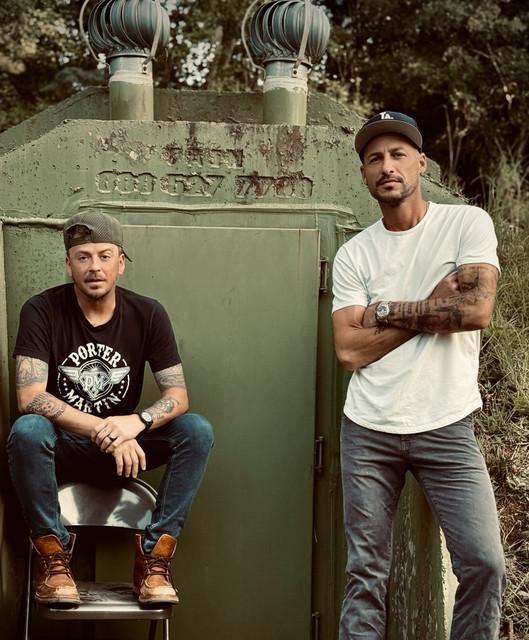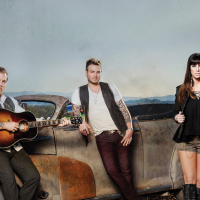
Gloriana

Country
Contemporary Country
Americana/Alt Country
Pop Rock
 Viberate Rank: 49523
 Viberate Rank: 49523
 Monthly ListenersFollowers
 Subscribers
 Followers
 Followers
 FansTop Spotify Songs
| Track | 7-Day Streams | |
|---|---|---|
1 | 68.22K | |
2 | 18.04K | |
3 | 14.14K | |
4 | 6.04K | |
5 | 2.31K |
Top YouTube VideosMonthly ListenersFeatured in Playlists| Playlist | Followers | |
|---|---|---|
1 |  Country Songs 2010-2022 WTHN Music | 138.79K |
2 |  New Country 2026 Travis James | 82.67K |
3 |  90's Country Hits Cameron Paul | 77.31K |
4 | Anabel Herrera Hudson | 39.51K |
5 | Country Road Trip 🤘 brady.torborg | 32.21K |
Audience| City | Monthly Listeners | |
|---|---|---|
1 | | 4.02K |
2 | | 3.48K |
3 | | 3.07K |
4 | | 3.00K |
5 |  | 2.59K |
See full performance history, audience data, playlist activity, rankings, comparisons, and more in Viberate music analytics. Start with a free trial, then continue with a paid plan.
Gloriana’s Spotify BioThe country vocal group Gloriana began taking shape in 2007, when Tom Gossin and Mike Gossin -- two guitar-playing brothers who had been working as a duo in North Carolina -- moved to Nashville and met Rachel Reinert. The trio's vocal chemistry was obvious from the start, and they completed their lineup with the addition of singer/mandolinist Cheyenne Kimball, a former child prodigy who had starred in several TV shows (including her own MTV reality series) and briefly pursued a solo career with Epic Records. Together, the Gossin brothers, Reinert, and Kimball honed a commercial sound inspired by the likes of Fleetwood Mac, Alabama, and the California country-rock movement of the 1970s, with their four-part harmonies playing a central role.
Gloriana eventually sent a demo to Emblem Music Group, a label that had been recently founded by producer Matt Serletic. Serletic liked what he heard, signed the quartet, and offered to produce its first record. Gloriana, the resulting self-titled… debut, appeared in 2009. Country audiences flocked to the album, sending it to number two on the country charts and earning the quartet several awards, including Breakthrough Artist of the Year at the annual American Music Awards and Top New Vocal Group at the 2010 Academy of Country Music Awards. Gloriana recorded their follow-up album, 2012's A Thousand Miles Left Behind, without Kimball, who left the band in 2011, and the remaining three members wrote or co-wrote all the songs on the new release. ~ Steve Leggett & Andrew Leahey, Rovi
Viberate is a music analytics platform built for A&Rs, artist managers, labels, booking agents, marketers, and artists.
It helps music professionals track artist growth, analyze audience data, monitor playlist activity, compare artists, follow song performance, and identify opportunities across the music market.
Public artist pages provide a free preview of selected artist data. Paid plans provide access to deeper analytics, historical data, charts, comparisons, playlist tools, exports, alerts, reports, and additional professional features.
Yes. Public Viberate artist pages provide selected artist analytics and music data for free.
Viberate also offers a 7-day free trial of the full platform. A credit card is required to start the trial. The trial includes access to the complete product so users can test deeper artist analytics, historical views, playlist insights, comparisons, charts, exports, alerts, and reporting features before choosing a paid plan.
Viberate provides artist analytics across streaming, playlists, social media, video, radio airplay, songs, and audience markets.
Users can analyze Spotify performance, Spotify and Apple Music playlists, YouTube activity, TikTok and Instagram growth, radio spins, song performance, audience locations, demographics, rankings, and overall artist momentum.
Artist profiles also connect to music charts, similar artists, and comparison tools, helping users benchmark performance and evaluate artists in context.
Viberate updates key artist and track data daily.
For followed artists and tracks, selected data is refreshed multiple times per day. This helps teams monitor playlist changes, streaming movement, audience growth, releases, and campaign performance with more current data.
Update frequency can vary depending on the metric and data source.
Yes. Viberate lets users compare up to five artists side by side across streaming, social media, audience, and engagement metrics.
Users can compare fanbase growth, audience demographics, locations, Spotify performance, social metrics, and other artist data over selected time periods.
Artist comparison can be used for A&R scouting, benchmarking, booking decisions, campaign planning, and evaluating artists with similar audiences or market positions.