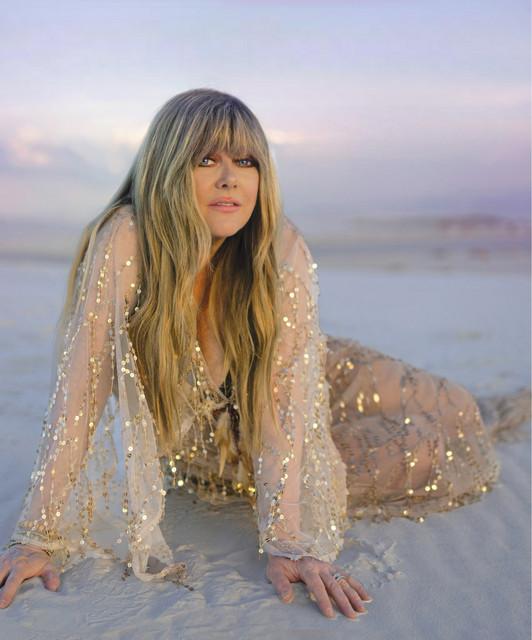
Kellie Pickler

Country
Contemporary Country
Mainstream Pop
 Viberate Rank: 18635
 Viberate Rank: 18635
 Monthly ListenersFollowers
 Subscribers
 Followers
 Followers
 FansTop Spotify Songs
| Track | 7-Day Streams | |
|---|---|---|
1 | 66.07K | |
2 | 59.92K | |
3 | 19.67K | |
4 | 18.57K | |
5 | 16.50K |
Top YouTube Videos| Video | 7-Day Views | |
|---|---|---|
1 | 17.84K | |
2 | 15.31K | |
3 | 11.55K | |
4 | 4.88K | |
5 | 3.39K |
Monthly ListenersFeatured in Playlists| Playlist | Followers | |
|---|---|---|
1 |  2000s Country Spotify | 1.01M |
2 |  Country Songs 2010-2022 WTHN Music | 138.79K |
3 | MERICA🇺🇸🍻 Kamryn Stitz | 130.45K |
4 |  scorned Spotify | 116.69K |
5 |  You're losing me Taylor Swift Ananya | 115.31K |
Audience| City | Monthly Listeners | |
|---|---|---|
1 | | 5.86K |
2 | | 5.78K |
3 | | 5.51K |
4 | | 4.58K |
5 | | 4.54K |
See full performance history, audience data, playlist activity, rankings, comparisons, and more in Viberate music analytics. Start with a free trial, then continue with a paid plan.
Kellie Pickler’s Spotify BioIn 2005, singer Kellie Pickler landed a spot in the fifth season of American Idol. Though she finished sixth, the former waitress and Miss North Carolina contestant charmed American audiences with her Southern twang and blonde ambition, resulting in a contract with BNA Records that yielded her debut album, Small Town Girl, in the fall of 2006 and an eponymous sophomore release in 2008, which yielded Pickler's first Top Ten hit, "Best Days of Your Life," a song she co-wrote with Taylor Swift. Her third album, the Frank Liddell-produced 100 Proof, appeared late in 2011. Despite being greeted by strong reviews and encouraging initial sales, 100 Proof didn't generate a hit single (the closest was "Tough," which peaked at 30). Pickler and Sony Nashville announced that they were parting ways in the summer of 2012.
In 2013, she appeared as a contestant on the TV show Dancing with the Stars and subsequently won the contest with dance partner Derek Hough. She also announced details of her fourth… studio album, The Woman I Am. Released on Black River Entertainment and preceded by the singles "Someone Somewhere Tonight" and "Little Bit Gypsy," the album saw release in November 2013. ~ James Christopher Monger, Rovi
Viberate is a music analytics platform built for A&Rs, artist managers, labels, booking agents, marketers, and artists.
It helps music professionals track artist growth, analyze audience data, monitor playlist activity, compare artists, follow song performance, and identify opportunities across the music market.
Public artist pages provide a free preview of selected artist data. Paid plans provide access to deeper analytics, historical data, charts, comparisons, playlist tools, exports, alerts, reports, and additional professional features.
Yes. Public Viberate artist pages provide selected artist analytics and music data for free.
Viberate also offers a 7-day free trial of the full platform. A credit card is required to start the trial. The trial includes access to the complete product so users can test deeper artist analytics, historical views, playlist insights, comparisons, charts, exports, alerts, and reporting features before choosing a paid plan.
Viberate provides artist analytics across streaming, playlists, social media, video, radio airplay, songs, and audience markets.
Users can analyze Spotify performance, Spotify and Apple Music playlists, YouTube activity, TikTok and Instagram growth, radio spins, song performance, audience locations, demographics, rankings, and overall artist momentum.
Artist profiles also connect to music charts, similar artists, and comparison tools, helping users benchmark performance and evaluate artists in context.
Viberate updates key artist and track data daily.
For followed artists and tracks, selected data is refreshed multiple times per day. This helps teams monitor playlist changes, streaming movement, audience growth, releases, and campaign performance with more current data.
Update frequency can vary depending on the metric and data source.
Yes. Viberate lets users compare up to five artists side by side across streaming, social media, audience, and engagement metrics.
Users can compare fanbase growth, audience demographics, locations, Spotify performance, social metrics, and other artist data over selected time periods.
Artist comparison can be used for A&R scouting, benchmarking, booking decisions, campaign planning, and evaluating artists with similar audiences or market positions.