Glenn Hughes

Rock
Hard Rock
 Viberate Rank: 44074
 Viberate Rank: 44074
 Monthly ListenersFollowers
 Subscribers
 Followers
 Followers
 FansTop Spotify Songs
| Track | 7-Day Streams | |
|---|---|---|
1 | 7.21K | |
2 | 6.68K | |
3 | 4.74K | |
4 | 3.57K | |
5 | 3.42K |
Top YouTube VideosMonthly ListenersFeatured in Playlists| Playlist | Followers | |
|---|---|---|
1 | GRUNGE zerubi | 80.90K |
2 |  Hellfest 2025 Spotify | 61.80K |
3 |  Blues Ballads/ Slow Blues Joar Fosså | 39.54K |
4 |  Soft Rock Tobias Åkerlind | 28.43K |
5 |  Rock Acústico Internacional (acoustic rock) Branco César | 22.95K |
Audience| City | Monthly Listeners | |
|---|---|---|
1 |  | 1.93K |
2 |  | 746 |
3 |  | 638 |
4 | | 612 |
5 |  | 566 |
See full performance history, audience data, playlist activity, rankings, comparisons, and more in Viberate music analytics. Start with a free trial, then continue with a paid plan.
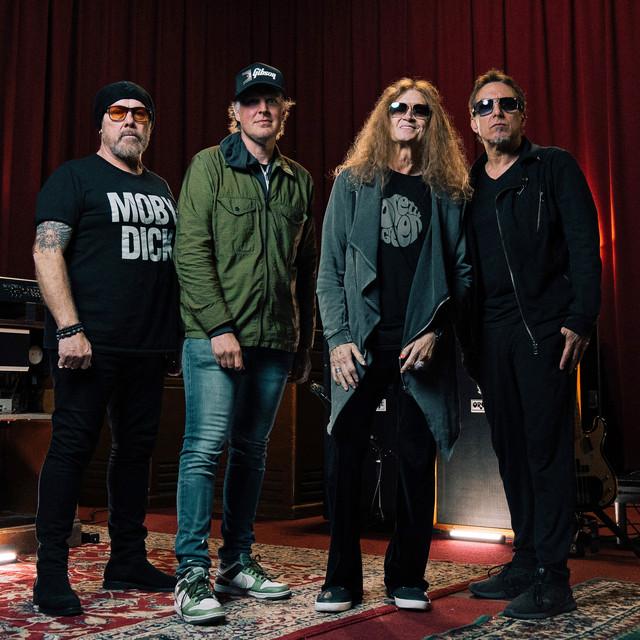
Glenn Hughes’ Spotify BioA skilled, well-traveled, and prolific English vocalist, bassist and songwriter best known for stints with Trapeze, Hughes/Thrall and Deep Purple, Glenn Hughes is often referred to as "The Voice of Rock." Starting out as the bassist and lead vocalist for English funk rockers Trapeze (which evolved from British soulsters, Finders Keepers) in 1969, Hughes earned his reputation as the bass player for Deep Purple from 1974 until that iteration of the group split in 1976. He went on to forge a successful and long-running solo career, releasing over a dozen albums, and in 2010 he began fronting the hard rock supergroup Black Country Communion, and later the like-minded California Breed. In 2016 he was inducted into the Rock & Roll Hall of Fame alongside his Deep Purple bandmates, and in 2019 he joined Aussie-American hard rock supergroup, The Dead Daisies. 2025 sees Glenn appear live with orchestra based ‘classics’ rock shows in Europe, before returning to BLACK COUNTRY COMMUNION who head to… Europe for live shows in early Summer, their first in over 10 years. It also sees him appear on new music from SATCHVAI and ROBBIE WILLIAMS. In late Summer, sees his return to solo live shows, his first for nearly 8 years, ‘The Chosen Years’ tour begins in Europe, which will see him introduce new songs from his first solo album in nearly 9 years, which gets it’s worldwide release just a few weeks earlier.
So make no mistake. The Voice of Rock never left the building.
Viberate is a music analytics platform built for A&Rs, artist managers, labels, booking agents, marketers, and artists.
It helps music professionals track artist growth, analyze audience data, monitor playlist activity, compare artists, follow song performance, and identify opportunities across the music market.
Public artist pages provide a free preview of selected artist data. Paid plans provide access to deeper analytics, historical data, charts, comparisons, playlist tools, exports, alerts, reports, and additional professional features.
Yes. Public Viberate artist pages provide selected artist analytics and music data for free.
Viberate also offers a 7-day free trial of the full platform. A credit card is required to start the trial. The trial includes access to the complete product so users can test deeper artist analytics, historical views, playlist insights, comparisons, charts, exports, alerts, and reporting features before choosing a paid plan.
Viberate provides artist analytics across streaming, playlists, social media, video, radio airplay, songs, and audience markets.
Users can analyze Spotify performance, Spotify and Apple Music playlists, YouTube activity, TikTok and Instagram growth, radio spins, song performance, audience locations, demographics, rankings, and overall artist momentum.
Artist profiles also connect to music charts, similar artists, and comparison tools, helping users benchmark performance and evaluate artists in context.
Viberate updates key artist and track data daily.
For followed artists and tracks, selected data is refreshed multiple times per day. This helps teams monitor playlist changes, streaming movement, audience growth, releases, and campaign performance with more current data.
Update frequency can vary depending on the metric and data source.
Yes. Viberate lets users compare up to five artists side by side across streaming, social media, audience, and engagement metrics.
Users can compare fanbase growth, audience demographics, locations, Spotify performance, social metrics, and other artist data over selected time periods.
Artist comparison can be used for A&R scouting, benchmarking, booking decisions, campaign planning, and evaluating artists with similar audiences or market positions.