Black Country Communion

Rock
Hard Rock
Blues Rock
 Viberate Rank: 61497
 Viberate Rank: 61497
 Monthly ListenersFollowers
 Subscribers
 Followers
 Followers
 FansTop Spotify Songs
| Track | 7-Day Streams | |
|---|---|---|
1 | 8.31K | |
2 | 4.58K | |
3 | 3.26K | |
4 | 2.67K | |
5 | 2.43K |
Top YouTube VideosMonthly ListenersFeatured in Playlists| Playlist | Followers | |
|---|---|---|
1 | GRUNGE zerubi | 80.90K |
2 |  Hellfest 2025 Spotify | 61.80K |
3 |  Blues Ballads/ Slow Blues Joar Fosså | 39.54K |
4 |  Soft Rock Tobias Åkerlind | 28.43K |
5 |  Chill Rock Lucas | 24.53K |
Audience| City | Monthly Listeners | |
|---|---|---|
1 |  | 1.27K |
2 |  | 686 |
3 |  | 562 |
4 |  | 516 |
5 |  | 485 |
See full performance history, audience data, playlist activity, rankings, comparisons, and more in Viberate music analytics. Start with a free trial, then continue with a paid plan.
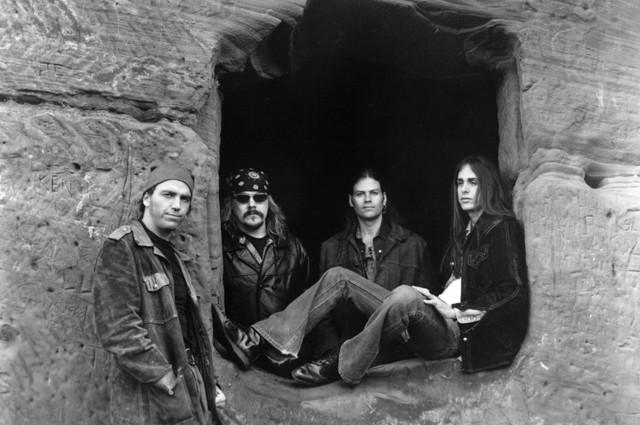
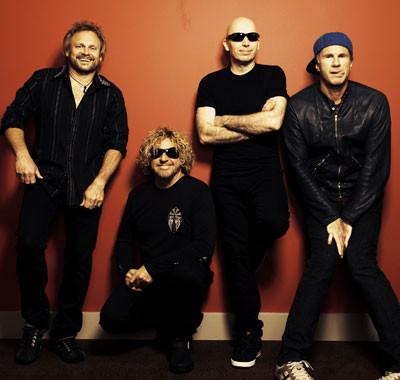
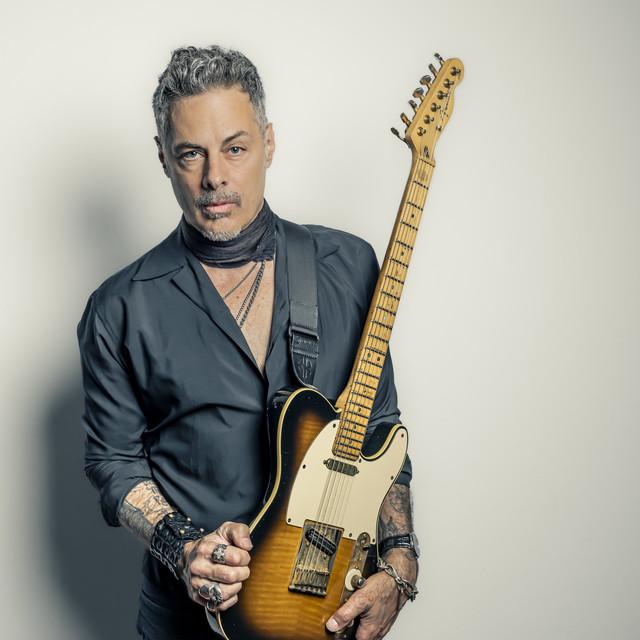
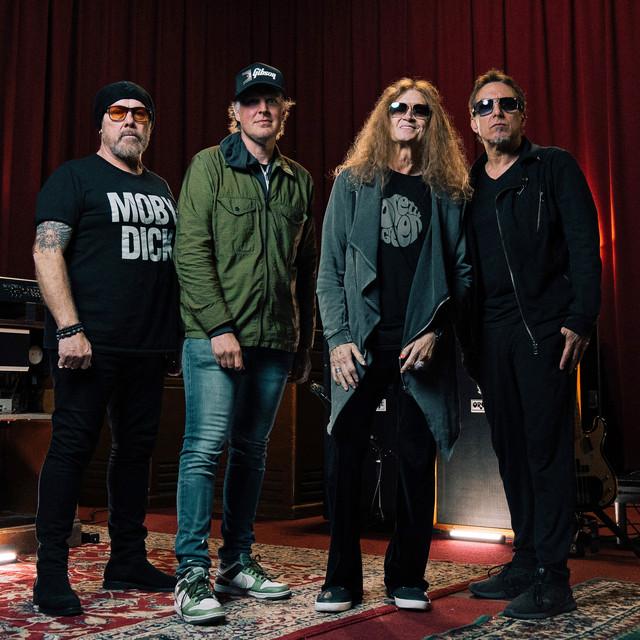
Black Country Communion’s Spotify BioA band featuring four veteran heavy-hitters of British and American hard rock, Black Country Communion is rooted in an alliance between bassist/vocalist Glenn Hughes (Deep Purple) and blues-rock guitarist Joe Bonamassa. At the suggestion of engineer and producer Kevin Shirley, journeyman drummer Jason Bonham and keyboardist Derek Sherinian (Dream Theater) were invited to join, and both obliged. Since releasing their eponymous debut in 2010, BCC have helped drive the U.K./U.S. hard rock scene, issuing acclaimed efforts like Afterglow (2012), BCCIV (2017), and V (2024).
The quartet recorded their first album, Black Country Communion, during early 2010 and had it issued that September on J&R Adventures. Upon release, it charted in the U.K. Top 20 and the U.S. Top 60. The band quickly got to work on writing material for a second album and plotted a 2011 tour. The resulting 2, which reunited the group with producer Shirley, arrived that June. In February 2012, BCC released their first… concert album, which was followed later that year by their third studio effort, Afterglow. After the album's release, Bonamassa announced that he had parted ways with the band, a decision that ultimately resulted in the rest of the members calling it quits. Subsequently, Bonham and Hughes formed California Breed.
In 2017, Black Country Communion reunited for their fourth studio LP, BCCIV. Recorded at The Cave Studios in Malibu with Kevin Shirley, the album reached the Top Ten of the U.K. Albums Chart. The bandmembers' myriad other projects and the COVID-19 pandemic kept BCC from returning to the studio until 2023. The resulting V arrived the following year and saw the band deliver a muscular and assured set of bluesy hard rock showstoppers. ~ Andy Kellman, Rovi
Viberate is a music analytics platform built for A&Rs, artist managers, labels, booking agents, marketers, and artists.
It helps music professionals track artist growth, analyze audience data, monitor playlist activity, compare artists, follow song performance, and identify opportunities across the music market.
Public artist pages provide a free preview of selected artist data. Paid plans provide access to deeper analytics, historical data, charts, comparisons, playlist tools, exports, alerts, reports, and additional professional features.
Yes. Public Viberate artist pages provide selected artist analytics and music data for free.
Viberate also offers a 7-day free trial of the full platform. A credit card is required to start the trial. The trial includes access to the complete product so users can test deeper artist analytics, historical views, playlist insights, comparisons, charts, exports, alerts, and reporting features before choosing a paid plan.
Viberate provides artist analytics across streaming, playlists, social media, video, radio airplay, songs, and audience markets.
Users can analyze Spotify performance, Spotify and Apple Music playlists, YouTube activity, TikTok and Instagram growth, radio spins, song performance, audience locations, demographics, rankings, and overall artist momentum.
Artist profiles also connect to music charts, similar artists, and comparison tools, helping users benchmark performance and evaluate artists in context.
Viberate updates key artist and track data daily.
For followed artists and tracks, selected data is refreshed multiple times per day. This helps teams monitor playlist changes, streaming movement, audience growth, releases, and campaign performance with more current data.
Update frequency can vary depending on the metric and data source.
Yes. Viberate lets users compare up to five artists side by side across streaming, social media, audience, and engagement metrics.
Users can compare fanbase growth, audience demographics, locations, Spotify performance, social metrics, and other artist data over selected time periods.
Artist comparison can be used for A&R scouting, benchmarking, booking decisions, campaign planning, and evaluating artists with similar audiences or market positions.