Glenn Branca

Classical
Classical Crossover
Noise Rock
 Viberate Rank: 196522
 Viberate Rank: 196522
 Monthly ListenersFollowers
 Subscribers
 Followers
 Followers
 FansTop Spotify Songs
| Track | 7-Day Streams | |
|---|---|---|
1 | 705 | |
2 | 374 | |
3 | 210 | |
4 | 168 | |
5 | 146 |
Top YouTube VideosMonthly ListenersFeatured in Playlists| Playlist | Followers | |
|---|---|---|
1 |  Anthony Bourdain's Favorite Songs alexanderlenox-us | 58.30K |
2 |  Roadrunner : A Film About Anthony Bourdain Roadrunnermovie | 28.84K |
3 | Unofficial Reverb Radio Jeff Ferruzzo | 21.82K |
4 |  if I was a DJ Fever Ray | 20.14K |
5 |  NPR Classical NPR Music | 14.43K |
Audience| City | Monthly Listeners | |
|---|---|---|
1 |  | 118 |
2 | | 112 |
3 | | 93 |
4 | | 86 |
5 | | 76 |
See full performance history, audience data, playlist activity, rankings, comparisons, and more in Viberate music analytics. Start with a free trial, then continue with a paid plan.
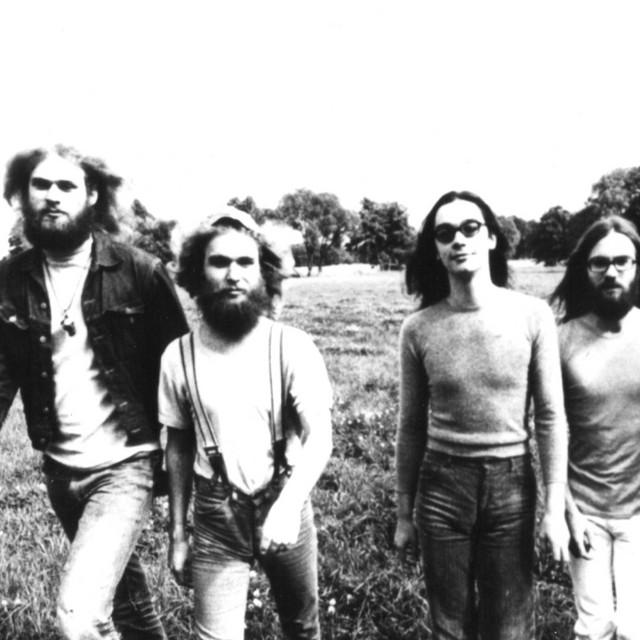
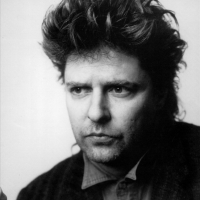
Glenn Branca’s Spotify Bio"I'll sell out anytime anybody wants me to" Glenn Branca once mused, "[but] there are no buyers." This accorded with Branca's perennial position on that fringe between the edgier end of art music and the artsier end of rock. An admirer of Young, Glass, and Reich, and a mentor to members of Sonic Youth, Helmet, and the Swans, Branca helped pollinate the downtown New York scene in the 1980s and infused experimental rock with minimalist ideas. While he earned his reputation with a series of high-volume microtonal works for multiple electric guitars, his oeuvre also included works for traditional orchestral forces. In the face of Branca's eclectic output and rather ambiguous aesthetic, the label "crossover" was at once convenient and clumsy.
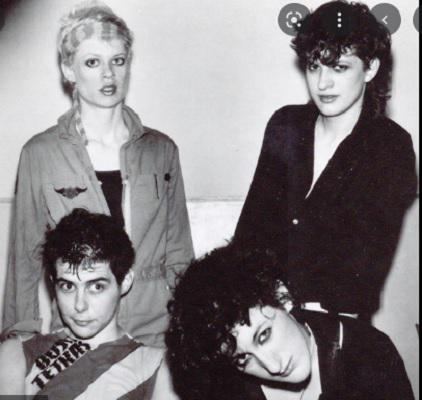
Branca was born in 1948 in Harrisburg, Pennsylvania. He studied theater at Emerson College, and briefly tried playwriting before turning to more musically oriented projects. Upon moving to New York in 1976 he co-founded, with Jeffrey Lohn, the no wave… band Theoretical Girls. Branca's subsequent band, the Static, incubated Branca's signature obsession: turning minimalism's hyperattentive ear for microacoustic detail toward the harmonically complex sounds of electric guitars. In 1979 Branca established his namesake ensemble, the varying roster of which included Thurston Moore, Lee Renaldo, Page Hamilton, Ned Sublette, and Branca's wife, Reg Bloor. The works for this group were characterized by intense sound fields shimmering with upper overtones (drawn out through alternative tunings). John Cage famously complained, after attending a performance of Indeterminate Activity of Resultant Masses (1981), that "I found in myself a willingness to connect the music with evil and with power...If it were something political, it would resemble fascism."
What Cage heard as oppressive Branca meant as celebratory -- an unapologetic indulgence in sustained musical climax; this idea informed works throughout the '80s, including several multi-movement guitar symphonies. In 1989 Branca composed his Symphony No. 7, one of several works for traditional orchestra; this marked a change in aesthetic as well as instrumentation, as Branca embraced it as "the most beautiful instrument yet conceived by any orchestra." Rather than renounce his early post-minimalist focus, however, he sensed a complementarity between these two sounds, and continued composing for both orchestra and guitar ensemble. In June 2001 he presented his most sonically ambitious project of all -- at, of all places, the base of the World Trade Center: his Symphony No. 13, for 100 electric guitars. Branca died in May 2018 at the age of 69.
Viberate is a music analytics platform built for A&Rs, artist managers, labels, booking agents, marketers, and artists.
It helps music professionals track artist growth, analyze audience data, monitor playlist activity, compare artists, follow song performance, and identify opportunities across the music market.
Public artist pages provide a free preview of selected artist data. Paid plans provide access to deeper analytics, historical data, charts, comparisons, playlist tools, exports, alerts, reports, and additional professional features.
Yes. Public Viberate artist pages provide selected artist analytics and music data for free.
Viberate also offers a 7-day free trial of the full platform. A credit card is required to start the trial. The trial includes access to the complete product so users can test deeper artist analytics, historical views, playlist insights, comparisons, charts, exports, alerts, and reporting features before choosing a paid plan.
Viberate provides artist analytics across streaming, playlists, social media, video, radio airplay, songs, and audience markets.
Users can analyze Spotify performance, Spotify and Apple Music playlists, YouTube activity, TikTok and Instagram growth, radio spins, song performance, audience locations, demographics, rankings, and overall artist momentum.
Artist profiles also connect to music charts, similar artists, and comparison tools, helping users benchmark performance and evaluate artists in context.
Viberate updates key artist and track data daily.
For followed artists and tracks, selected data is refreshed multiple times per day. This helps teams monitor playlist changes, streaming movement, audience growth, releases, and campaign performance with more current data.
Update frequency can vary depending on the metric and data source.
Yes. Viberate lets users compare up to five artists side by side across streaming, social media, audience, and engagement metrics.
Users can compare fanbase growth, audience demographics, locations, Spotify performance, social metrics, and other artist data over selected time periods.
Artist comparison can be used for A&R scouting, benchmarking, booking decisions, campaign planning, and evaluating artists with similar audiences or market positions.