Glass Candy

Pop
Mainstream Pop
Other Electronic Music
 Viberate Rank: 105017
 Viberate Rank: 105017
 Monthly ListenersFollowers
 Subscribers
 Followers
 Followers
 FansTop Spotify Songs
| Track | 7-Day Streams | |
|---|---|---|
1 | 18.00K | |
2 | 15.46K | |
3 | 5.73K | |
4 | 4.99K | |
5 | 4.58K |
Top YouTube Videos| Video | 7-Day Views | |
|---|---|---|
1 | 1.53K | |
2 | 1.16K | |
3 | 146 | |
4 | 45 | |
5 | 35 |
Monthly ListenersFeatured in Playlists| Playlist | Followers | |
|---|---|---|
1 |  Élite - The Soundtrack Spotify | 318.59K |
2 |  Drive Soundtrack - OST - Drive / Cliff Martinez KULTPOP! | 181.80K |
3 |  Drive Soundtrack Servaas Vehmeijer | 154.09K |
4 |  Witchy Songs 🔮🌙 Sarah | 97.71K |
5 | While You Work (@whileyouwork) Eli Feghali | 81.75K |
Audience| City | Monthly Listeners | |
|---|---|---|
1 |  | 2.81K |
2 | | 2.46K |
3 | | 1.74K |
4 |  | 1.62K |
5 |  | 1.55K |
See full performance history, audience data, playlist activity, rankings, comparisons, and more in Viberate music analytics. Start with a free trial, then continue with a paid plan.
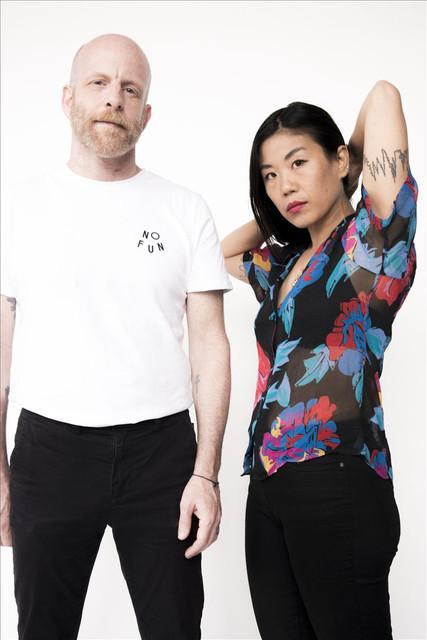
Glass Candy’s Spotify BioThe story of influential duo Glass Candy begins in 1996, when singer Ida No and multi-instrumentalist Johnny Jewel met while both working at a grocery store in Portland, Oregon. The duo began crafting bold music with a blend of punk, glam, hip hop and electronics.
Fans and underground critics alike lauded their 2002 album Love Love Love, plus mid-2000s 12-inch disco singles like “Life After Sundown” and “I Always Say Yes” but it was the group’s transition to a more synth-driven sound with 2007 album
B/E/A/T/B/O/X/ that showcased a fully electronic Glass Candy to a growing fan base.
B/E/A/T/B/O/X/ was a worldwide hit with fans and the press, earning top ratings, as well as placements on year-end "best of" lists from publications such as Rolling Stone, Pitchfork, Playboy, and many more.
The Band's live show has for years been widely recognized for it's excitement and high energy. Glass Candy has performed worldwide at many major music festivals, including Coachella, Pitchfork Festival,… Primavera Sound, FYF, Fun Fun Fun Fest, and more.
Glass Candy's music has been featured prominently in many films, including Nicolas Refn's Bronson Soundtrack, and countless television shows, including Westworld and Scream Queen.
Viberate is a music analytics platform built for A&Rs, artist managers, labels, booking agents, marketers, and artists.
It helps music professionals track artist growth, analyze audience data, monitor playlist activity, compare artists, follow song performance, and identify opportunities across the music market.
Public artist pages provide a free preview of selected artist data. Paid plans provide access to deeper analytics, historical data, charts, comparisons, playlist tools, exports, alerts, reports, and additional professional features.
Yes. Public Viberate artist pages provide selected artist analytics and music data for free.
Viberate also offers a 7-day free trial of the full platform. A credit card is required to start the trial. The trial includes access to the complete product so users can test deeper artist analytics, historical views, playlist insights, comparisons, charts, exports, alerts, and reporting features before choosing a paid plan.
Viberate provides artist analytics across streaming, playlists, social media, video, radio airplay, songs, and audience markets.
Users can analyze Spotify performance, Spotify and Apple Music playlists, YouTube activity, TikTok and Instagram growth, radio spins, song performance, audience locations, demographics, rankings, and overall artist momentum.
Artist profiles also connect to music charts, similar artists, and comparison tools, helping users benchmark performance and evaluate artists in context.
Viberate updates key artist and track data daily.
For followed artists and tracks, selected data is refreshed multiple times per day. This helps teams monitor playlist changes, streaming movement, audience growth, releases, and campaign performance with more current data.
Update frequency can vary depending on the metric and data source.
Yes. Viberate lets users compare up to five artists side by side across streaming, social media, audience, and engagement metrics.
Users can compare fanbase growth, audience demographics, locations, Spotify performance, social metrics, and other artist data over selected time periods.
Artist comparison can be used for A&R scouting, benchmarking, booking decisions, campaign planning, and evaluating artists with similar audiences or market positions.