Gizmachi

Metal
Alternative Metal
Nu Metal
 Viberate Rank: 362106
 Viberate Rank: 362106
 Monthly ListenersFollowers
 Subscribers
 Followers
 Followers
 FansTop Spotify Songs
| Track | 7-Day Streams | |
|---|---|---|
1 | 161 | |
2 | 115 | |
3 | 85 | |
4 | 53 | |
5 | 52 |
Top YouTube VideosMonthly ListenersFeatured in Playlists| Playlist | Followers | |
|---|---|---|
1 |  Nu metal Aggro metal ADT LABEL | 3.87K |
2 | rare nu-metal felixwhiite | 3.73K |
3 |  NU METAL ULTIMATE Mark Hurtado | 1.80K |
4 | slipknotfan1234 | 1.35K |
Audience| City | Monthly Listeners | |
|---|---|---|
1 |  | 15 |
2 | | 14 |
3 | | 13 |
4 |  | 8 |
5 | | 8 |
See full performance history, audience data, playlist activity, rankings, comparisons, and more in Viberate music analytics. Start with a free trial, then continue with a paid plan.
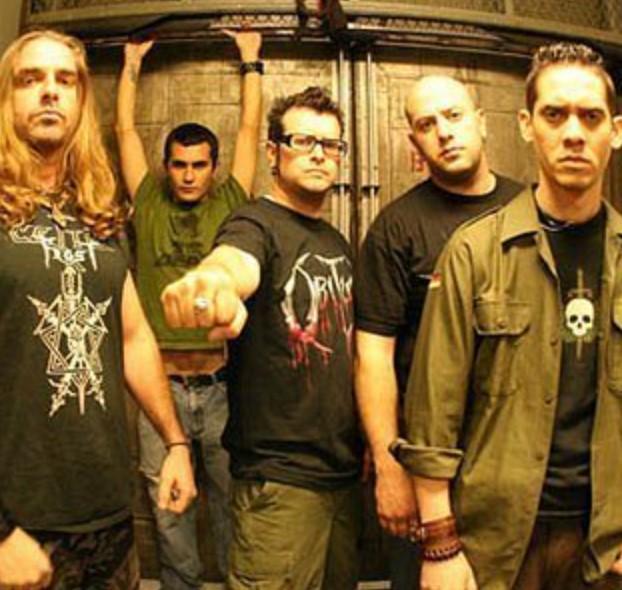
Gizmachi’s Spotify BioGizmachi is an American metal band hailing from the heart of Orange County, New York. The band was founded in 1996 by lead guitarist Jay Hannon and bassist Kris Gilmore. After a few line-up changes early on in their career, they discovered drummer Jimmie Hatcher and guitarist/vocalist Mike Laurino, who comprise their current line-up today.
Gizmachi quickly gained popularity among the local hardcore/metal scene and brought forth their twist of heavy metal with a mixture of brutally melodic vocals, odd time signatures, and epic guitar solos. The band caught the eyes and ears of percussionist Shawn “Clown” Crahan of famed metal band Slipknot. In 2004 they signed to his label, Big Orange Clown, a subsidiary of Sanctuary Records. Gizmachi’s debut album, The Imbuing, was released May 3rd, 2005.
From 2005-2006, Gizmachi spent time on the road supporting The Imbuing. Their most noted tours include high profile festivals such as Ozzfest and Rock AM Ring in Europe. They’ve shared the stage with… legendary acts including Iron Maiden, Ozzy Osbourne, Soilwork, Meshuggah, Mastodon and Slipknot.
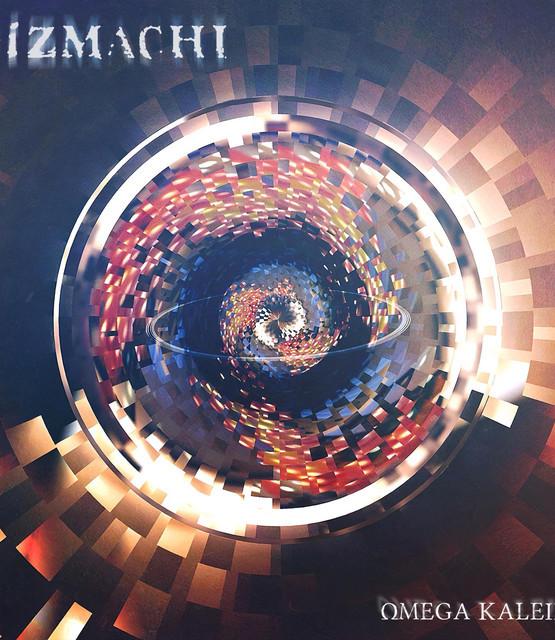
After a (very) long hiatus, Gizmachi is set to release their sophomore album, entitled Omega Kaleid, on March 12th 2021. The album was produced and engineered by guitarist Jay Hannon and mixed by Mark Lewis (Devildriver, White Chapel, The Black Dahlia Murder).
Gizmachi recruited none other than Soilwork’s Björn “Speed” Strid to handle lead vocal duties on Omega Kaleid.
Viberate is a music analytics platform built for A&Rs, artist managers, labels, booking agents, marketers, and artists.
It helps music professionals track artist growth, analyze audience data, monitor playlist activity, compare artists, follow song performance, and identify opportunities across the music market.
Public artist pages provide a free preview of selected artist data. Paid plans provide access to deeper analytics, historical data, charts, comparisons, playlist tools, exports, alerts, reports, and additional professional features.
Yes. Public Viberate artist pages provide selected artist analytics and music data for free.
Viberate also offers a 7-day free trial of the full platform. A credit card is required to start the trial. The trial includes access to the complete product so users can test deeper artist analytics, historical views, playlist insights, comparisons, charts, exports, alerts, and reporting features before choosing a paid plan.
Viberate provides artist analytics across streaming, playlists, social media, video, radio airplay, songs, and audience markets.
Users can analyze Spotify performance, Spotify and Apple Music playlists, YouTube activity, TikTok and Instagram growth, radio spins, song performance, audience locations, demographics, rankings, and overall artist momentum.
Artist profiles also connect to music charts, similar artists, and comparison tools, helping users benchmark performance and evaluate artists in context.
Viberate updates key artist and track data daily.
For followed artists and tracks, selected data is refreshed multiple times per day. This helps teams monitor playlist changes, streaming movement, audience growth, releases, and campaign performance with more current data.
Update frequency can vary depending on the metric and data source.
Yes. Viberate lets users compare up to five artists side by side across streaming, social media, audience, and engagement metrics.
Users can compare fanbase growth, audience demographics, locations, Spotify performance, social metrics, and other artist data over selected time periods.
Artist comparison can be used for A&R scouting, benchmarking, booking decisions, campaign planning, and evaluating artists with similar audiences or market positions.