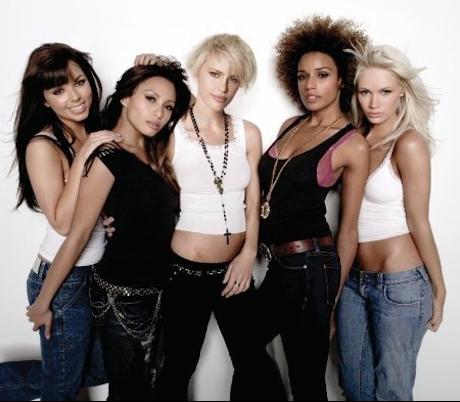
Girlicious

Pop
Mainstream Pop
Contemporary R&B
 Viberate Rank: 98675
 Viberate Rank: 98675
 Monthly ListenersFollowers
 Subscribers
 Followers
 Followers
 FansTop Spotify Songs
| Track | 7-Day Streams | |
|---|---|---|
1 | 18.36K | |
2 | 14.01K | |
3 | 7.63K | |
4 | 6.16K | |
5 | 3.52K |
Top YouTube Videos| Video | 7-Day Views | |
|---|---|---|
1 | 4.53K | |
2 | 4.05K | |
3 | 3.72K | |
4 | 1.11K | |
5 | 1.06K |
Monthly ListenersFeatured in Playlists| Playlist | Followers | |
|---|---|---|
1 |  2000s throwbacks💖🦋 Jessica Foxx | 108.82K |
2 | gay clubbing in the living room Erin | 60.73K |
3 |  Workout Playlist for the Girls & the Gays 💅🏼✨ Hayley Michie | 49.34K |
4 |  2000sPopHits 2000sPopHits | 38.20K |
5 | Gay club anthems 🌈 reviewhater | 26.68K |
Audience| City | Monthly Listeners | |
|---|---|---|
1 |  | 3.27K |
2 | | 2.27K |
3 | | 1.15K |
4 | | 912 |
5 |  | 911 |
See full performance history, audience data, playlist activity, rankings, comparisons, and more in Viberate music analytics. Start with a free trial, then continue with a paid plan.
Girlicious’ Spotify BioFollowing in the wake of the multi-platinum girl group Pussycat Dolls came Girlicious, a pop quartet whose music was also rooted in sexually charged slick R&B/pop. The group consists of Nichole Cordova, Tiffanie Anderson, Chrystina Sayers, and Natalie Mejia, and was formed in 2008 by Robin Antin, creator and founder of the Pussycat Dolls. In order to capitalize on the success that her first pop group had achieved across the globe, Antin produced a reality television program to search for the next pop sensation. After thousands auditioned with hopes and dreams of being part of the next "it" group, Antin selected 15 participants who would compete in a program called Pussycat Dolls Present: Girlicious. The contestants performed rigorous dance routines and delivered group and solo vocal performances as the judges on the show eliminated the competitors, until there were only four left.
In the finale, Antin had planned to eliminate one more contestant to achieve her desired group; however, at… the last minute she decided that Girlicious should operate as a foursome rather than a trio -- thus, Cordova, Anderson, Sayers and Mejia all made the cut. Immediately after the public discovered who was going to be in the group, the quartet dropped a digital EP, entitled Like Me/Stupid S**t. The EP was a huge success in digital downloads, and "Like Me" became particularly successful in Canada, hitting number one in video rotations and number four on the Canadian Hot 100. The song also charted on the Billboard Pop 100, mostly because of digital downloads. Their self-titled debut album was slated for release in September 2008, and they agreed to tour with the Backstreet Boys for their Unbreakable Tour that same summer, promoting the album. ~ Matthew Chisling, Rovi
Viberate is a music analytics platform built for A&Rs, artist managers, labels, booking agents, marketers, and artists.
It helps music professionals track artist growth, analyze audience data, monitor playlist activity, compare artists, follow song performance, and identify opportunities across the music market.
Public artist pages provide a free preview of selected artist data. Paid plans provide access to deeper analytics, historical data, charts, comparisons, playlist tools, exports, alerts, reports, and additional professional features.
Yes. Public Viberate artist pages provide selected artist analytics and music data for free.
Viberate also offers a 7-day free trial of the full platform. A credit card is required to start the trial. The trial includes access to the complete product so users can test deeper artist analytics, historical views, playlist insights, comparisons, charts, exports, alerts, and reporting features before choosing a paid plan.
Viberate provides artist analytics across streaming, playlists, social media, video, radio airplay, songs, and audience markets.
Users can analyze Spotify performance, Spotify and Apple Music playlists, YouTube activity, TikTok and Instagram growth, radio spins, song performance, audience locations, demographics, rankings, and overall artist momentum.
Artist profiles also connect to music charts, similar artists, and comparison tools, helping users benchmark performance and evaluate artists in context.
Viberate updates key artist and track data daily.
For followed artists and tracks, selected data is refreshed multiple times per day. This helps teams monitor playlist changes, streaming movement, audience growth, releases, and campaign performance with more current data.
Update frequency can vary depending on the metric and data source.
Yes. Viberate lets users compare up to five artists side by side across streaming, social media, audience, and engagement metrics.
Users can compare fanbase growth, audience demographics, locations, Spotify performance, social metrics, and other artist data over selected time periods.
Artist comparison can be used for A&R scouting, benchmarking, booking decisions, campaign planning, and evaluating artists with similar audiences or market positions.