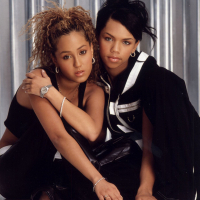
Danity Kane

Pop
Mainstream Pop
Contemporary R&B
 Viberate Rank: 33558
 Viberate Rank: 33558
 Monthly ListenersFollowers
 Subscribers
 Followers
 Followers
 FansTop Spotify Songs
| Track | 7-Day Streams | |
|---|---|---|
1 | 145.34K | |
2 | 125.22K | |
3 | 29.31K | |
4 | 8.40K | |
5 | 5.87K |
Top YouTube Videos| Video | 7-Day Views | |
|---|---|---|
1 | 24.71K | |
2 | 24.61K | |
3 | 10.61K | |
4 | 2.63K | |
5 | 2.20K |
Monthly ListenersFeatured in Playlists| Playlist | Followers | |
|---|---|---|
1 | 2000s R&B & Hip-Hop Playlist RSullivan | 331.27K |
2 |  2000s 💋💗 sam !!!!!! | 312.07K |
3 |  DIRTY SOUTH 2000's valentin | 281.46K |
4 |  R&B Throwbacks 90s & 00s 💜 bridgett ellison | 235.79K |
5 | GwizzleCarJams Gianna Marie | 192.62K |
Audience| City | Monthly Listeners | |
|---|---|---|
1 | | 15.69K |
2 | | 14.08K |
3 | | 13.60K |
4 | | 10.77K |
5 | | 10.03K |
See full performance history, audience data, playlist activity, rankings, comparisons, and more in Viberate music analytics. Start with a free trial, then continue with a paid plan.
Danity Kane’s Spotify BioThe third group to be put together through the reality television series Making the Band -- O-Town being the first, Da Band being the second -- Danity Kane's membership includes five women who beat out hundreds of hopefuls. Chosen by music mogul and Bad Boy Records CEO Diddy, members Aubrey, Aundrea, D. Woods, Dawn, and Shannon sang, danced, and watched their competition stumble over two seasons of the series. By the end of the second season, Diddy decided this was the quintet who fit his dream of creating the next En Vogue or Destiny's Child. A third season chronicled the recording of the band's first album and the process of naming the group. During a June 2006 appearance on MTV's TRL, it was announced the group would be called Danity Kane, a reference to a superhero Dawn had created and sketched in the studio during downtime. The TRL appearance also announced the group's debut single was the club cut "Show Stopper" featuring fellow Bad Boy artist Yung Joc. With tracks from big-name… producers Scott Storch and Timbaland, their self-titled debut hit the streets in August of 2006. After spending 2007 on a package tour with Christina Aguilera and the Pussycat Dolls, their second album, Welcome to the Dollhouse, landed in 2008. ~ David Jeffries, Rovi
Viberate is a music analytics platform built for A&Rs, artist managers, labels, booking agents, marketers, and artists.
It helps music professionals track artist growth, analyze audience data, monitor playlist activity, compare artists, follow song performance, and identify opportunities across the music market.
Public artist pages provide a free preview of selected artist data. Paid plans provide access to deeper analytics, historical data, charts, comparisons, playlist tools, exports, alerts, reports, and additional professional features.
Yes. Public Viberate artist pages provide selected artist analytics and music data for free.
Viberate also offers a 7-day free trial of the full platform. A credit card is required to start the trial. The trial includes access to the complete product so users can test deeper artist analytics, historical views, playlist insights, comparisons, charts, exports, alerts, and reporting features before choosing a paid plan.
Viberate provides artist analytics across streaming, playlists, social media, video, radio airplay, songs, and audience markets.
Users can analyze Spotify performance, Spotify and Apple Music playlists, YouTube activity, TikTok and Instagram growth, radio spins, song performance, audience locations, demographics, rankings, and overall artist momentum.
Artist profiles also connect to music charts, similar artists, and comparison tools, helping users benchmark performance and evaluate artists in context.
Viberate updates key artist and track data daily.
For followed artists and tracks, selected data is refreshed multiple times per day. This helps teams monitor playlist changes, streaming movement, audience growth, releases, and campaign performance with more current data.
Update frequency can vary depending on the metric and data source.
Yes. Viberate lets users compare up to five artists side by side across streaming, social media, audience, and engagement metrics.
Users can compare fanbase growth, audience demographics, locations, Spotify performance, social metrics, and other artist data over selected time periods.
Artist comparison can be used for A&R scouting, benchmarking, booking decisions, campaign planning, and evaluating artists with similar audiences or market positions.