Gilby Clarke

Rock
Hard Rock
Glam Metal
 Viberate Rank: 105551
 Viberate Rank: 105551
 Monthly ListenersFollowers
 Subscribers
 Followers
 Followers
 FansTop Spotify Songs
| Track | 7-Day Streams | |
|---|---|---|
1 | 5.55K | |
2 | 3.85K | |
3 | 2.01K | |
4 | 1.33K | |
5 | 1.24K |
Top YouTube VideosMonthly ListenersFeatured in Playlists| Playlist | Followers | |
|---|---|---|
1 |  80’s Hair Metal & Rock halun1 | 40.35K |
2 | Rock Alternativo 90 2000 by @Cholega Cholega | 33.71K |
3 |  FM Aspen 102.3 el_chacker | 33.25K |
4 | Route 66 Country & Rock Misi | 12.02K |
5 | Bon Jovi- Cama de rosas en ESPAÑOL. (Bed of roses) Edgar | 11.12K |
Audience| City | Monthly Listeners | |
|---|---|---|
1 |  | 2.23K |
2 |  | 1.31K |
3 |  | 721 |
4 |  | 468 |
5 |  | 323 |
See full performance history, audience data, playlist activity, rankings, comparisons, and more in Viberate music analytics. Start with a free trial, then continue with a paid plan.
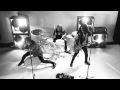
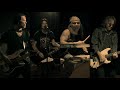
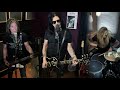
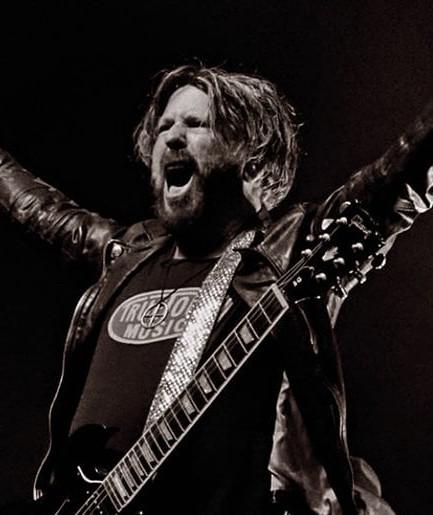
Gilby Clarke’s Spotify BioAlthough he's issued several solo albums on his own, guitarist Gilby Clarke is best known for his brief stint as a member of Guns N' Roses. Born on August 17, 1962, in Cleveland, OH, Clarke later relocated to Los Angeles, where he fell into the local music scene playing with such obscure '80s outfits as Candy (who issued a lone album, Whatever Happened to Fun?) and Kill for Thrills (who too, only managed a single release, Dynamite from Nightmareland). During this time, Clarke befriended the members of Guns N' Roses, who had endured a meteoric (yet rocky) rise to superstardom. Shortly after a mammoth tour in support of their overblown Use Your Illusion albums got underway in late 1991, founding guitarist Izzy Stradlin abruptly left the group. Clarke was one of the few guitarists that GNR tried out, and was quickly invited onboard. Clarke remained with the group for the remainder of the tour (which lasted through 1993) and appeared on their all-covers release, The Spaghetti Incident?
But… after coming off the road, Guns singer Axl Rose decided to try pursuing different styles of music, which he thought Clarke's rough and ready style wasn't suitable for, leading to Clarke's (and soon after, the rest of the other members') dismissal from the band. Undeterred, Clarke automatically launched a solo career, releasing such albums as 1994's Pawnshop Guitars (which spawned the moderate rock radio hit "Cure Me...or Kill Me"), 1997's Hangover, 1998's Rubber, 2000's 99 Live, and 2002's Swag. In addition, Clarke has produced albums for others (including a pair of albums by late-'90s power popsters Beat Angels and '80s glam mainstays L.A. Guns) and continued to play from time to time with his former Guns bandmates (on Duff McKagan's 1993 solo release Believe in Me and touring with Slash's solo group, Slash's Snakepit). In 2001, Clarke formed a group with former Stray Cats drummer Slim Jim Phantom, called Col. Parker, issuing their debut album the same year, Rock n Roll Music. Clarke released another solo record, the eponymous Gilby Clarke, in early 2007. ~ Greg Prato, Rovi
Viberate is a music analytics platform built for A&Rs, artist managers, labels, booking agents, marketers, and artists.
It helps music professionals track artist growth, analyze audience data, monitor playlist activity, compare artists, follow song performance, and identify opportunities across the music market.
Public artist pages provide a free preview of selected artist data. Paid plans provide access to deeper analytics, historical data, charts, comparisons, playlist tools, exports, alerts, reports, and additional professional features.
Yes. Public Viberate artist pages provide selected artist analytics and music data for free.
Viberate also offers a 7-day free trial of the full platform. A credit card is required to start the trial. The trial includes access to the complete product so users can test deeper artist analytics, historical views, playlist insights, comparisons, charts, exports, alerts, and reporting features before choosing a paid plan.
Viberate provides artist analytics across streaming, playlists, social media, video, radio airplay, songs, and audience markets.
Users can analyze Spotify performance, Spotify and Apple Music playlists, YouTube activity, TikTok and Instagram growth, radio spins, song performance, audience locations, demographics, rankings, and overall artist momentum.
Artist profiles also connect to music charts, similar artists, and comparison tools, helping users benchmark performance and evaluate artists in context.
Viberate updates key artist and track data daily.
For followed artists and tracks, selected data is refreshed multiple times per day. This helps teams monitor playlist changes, streaming movement, audience growth, releases, and campaign performance with more current data.
Update frequency can vary depending on the metric and data source.
Yes. Viberate lets users compare up to five artists side by side across streaming, social media, audience, and engagement metrics.
Users can compare fanbase growth, audience demographics, locations, Spotify performance, social metrics, and other artist data over selected time periods.
Artist comparison can be used for A&R scouting, benchmarking, booking decisions, campaign planning, and evaluating artists with similar audiences or market positions.