Gerold Huber

Classical
Chamber Music
Classical Crossover
 Viberate Rank: 341049
 Viberate Rank: 341049
 Monthly ListenersFollowers
 Subscribers
 Followers
 Followers
 FansTop Spotify Songs
| Track | 7-Day Streams | |
|---|---|---|
1 | 1.68K | |
2 | 537 | |
3 | 511 | |
4 | 496 | |
5 | 489 |
Top YouTube VideosMonthly ListenersFeatured in Playlists| Playlist | Followers | |
|---|---|---|
1 | amandaemcee | 69.74K |
2 |  This Is Schumann Spotify | 60.10K |
3 | 715 Songs to give you frisson Ilene Roberts | 6.07K |
4 |  Freemasonry Masonic Music 1149695658 | 5.95K |
5 |  Kalm met Klassiek NPO Klassiek | 4.96K |
Audience| City | Monthly Listeners | |
|---|---|---|
1 | | 338 |
2 | | 281 |
3 | | 187 |
4 |  | 186 |
5 |  | 153 |
See full performance history, audience data, playlist activity, rankings, comparisons, and more in Viberate music analytics. Start with a free trial, then continue with a paid plan.
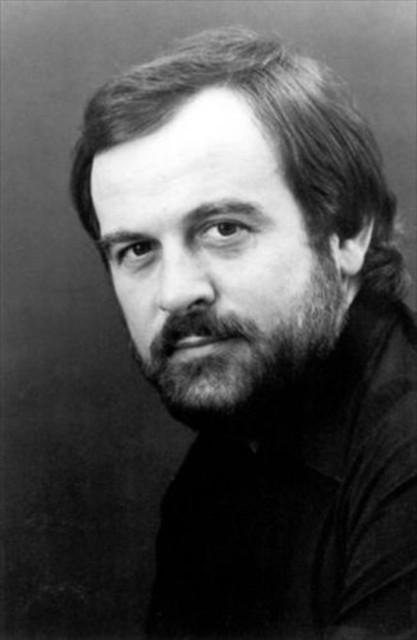
Gerold Huber’s Spotify BioPianist Gerold Huber is best known for his work as an accompanist. He is particularly identified with the baritone Christian Gerhaher, with whom he has been teamed since the pair were students.
Huber was born in Straubing, in Bavaria, in 1969. He attended the Hochschule für Musik und Theater in Munich, studying piano and vocal accompaniment. In his coursework for the latter, he attended a master class with the great baritone Dietrich Fischer-Dieskau. Another member of the class was Gerhaher, and from that meeting stemmed a long collaboration. Huber has also accompanied various other top-flight singers, including mezzo-soprano Bernarda Fink, soprano Diana Damrau, and soprano Ruth Ziesak. He is also a member of a multi-artist song-performance group called Liedertafel, and he has played chamber music with the Artemis Quartet. As a solo pianist, he has given recitals in Munich and Regensburg and abroad in France and New Zealand. Huber also accompanies a variety of singers at German… festivals, including the Rheingau Music Festival, the Schubertiade Schwarzenberg, and the Schwetzingen Festival. In the U.S., he has appeared as an accompanist at Lincoln Center and Carnegie Hall in New York.
Huber has won several major awards, not only in collaboration with Gerhaher (the pair won an Echo Klassik Award in 2002 for their recording of Schubert's Die Winterreise, D. 911, and a Gramophone Award in the U.K. in 2006 for their album Abendbilder) but also as a solo player; he was a prizewinner at the Internationaler Klavierwettbewerb Johann Sebastian Bach Saarbrücken in 2001. Huber's discography, mostly with Gerhaher and other singers, is large. In 2017, he and Gerhaher released a recording of the rare Brahms spoken-musical work Die schöne Magelone; the pair also toured with the work to Munich, Heidelberg, and London. In 2019, he backed Constance Heller in an album of songs by composer Hans Sommer. He has continued to record chamber music, backing the Henschel Quartet that year in a recording of works by Schubert and Mendelssohn. Huber remained active during the COVID-19 pandemic, accompanying baritone Raoul Steffani and mezzo-soprano Magdalena Kožená on the 2021 album Robert & Clara Schumann: Love's Spring on the Challenge Classics label. In 2022, he backed soprano Christiane Karg on an album of works by Debussy and Reynaldo Hahn on the BR Klassik label; he moved to Sony Classical in 2023, joining Gerhaher and tenor Piotr Beczała on a recording of Mahler's rarely-heard voice-and-piano version of Das Lied von der Erde. ~ James Manheim, Rovi
Viberate is a music analytics platform built for A&Rs, artist managers, labels, booking agents, marketers, and artists.
It helps music professionals track artist growth, analyze audience data, monitor playlist activity, compare artists, follow song performance, and identify opportunities across the music market.
Public artist pages provide a free preview of selected artist data. Paid plans provide access to deeper analytics, historical data, charts, comparisons, playlist tools, exports, alerts, reports, and additional professional features.
Yes. Public Viberate artist pages provide selected artist analytics and music data for free.
Viberate also offers a 7-day free trial of the full platform. A credit card is required to start the trial. The trial includes access to the complete product so users can test deeper artist analytics, historical views, playlist insights, comparisons, charts, exports, alerts, and reporting features before choosing a paid plan.
Viberate provides artist analytics across streaming, playlists, social media, video, radio airplay, songs, and audience markets.
Users can analyze Spotify performance, Spotify and Apple Music playlists, YouTube activity, TikTok and Instagram growth, radio spins, song performance, audience locations, demographics, rankings, and overall artist momentum.
Artist profiles also connect to music charts, similar artists, and comparison tools, helping users benchmark performance and evaluate artists in context.
Viberate updates key artist and track data daily.
For followed artists and tracks, selected data is refreshed multiple times per day. This helps teams monitor playlist changes, streaming movement, audience growth, releases, and campaign performance with more current data.
Update frequency can vary depending on the metric and data source.
Yes. Viberate lets users compare up to five artists side by side across streaming, social media, audience, and engagement metrics.
Users can compare fanbase growth, audience demographics, locations, Spotify performance, social metrics, and other artist data over selected time periods.
Artist comparison can be used for A&R scouting, benchmarking, booking decisions, campaign planning, and evaluating artists with similar audiences or market positions.