Gérard Berliner

Pop
Mainstream Pop
 Viberate Rank: 286755
 Viberate Rank: 286755
 Monthly ListenersFollowers
 Subscribers
 Followers
 Followers
 FansTop Spotify Songs
| Track | 7-Day Streams | |
|---|---|---|
1 | 14.99K | |
2 | 3.48K | |
3 | 599 | |
4 | 467 | |
5 | 53 |
Top YouTube VideosMonthly ListenersFeatured in Playlists| Playlist | Followers | |
|---|---|---|
1 |  Chansons Françaises de Légende Topsify France | 121.54K |
2 | Français années 70/80 Steve | 13.20K |
3 | Femme libérée – Cookie Dingler Nadine Robin | 5.56K |
4 |  Années 80 Digster France | 5.00K |
5 | Chansons Francaises Servaas Vehmeijer | 2.29K |
Audience| City | Monthly Listeners | |
|---|---|---|
1 | | 1.42K |
2 | | 564 |
3 | | 545 |
4 |  | 378 |
5 |  | 320 |
See full performance history, audience data, playlist activity, rankings, comparisons, and more in Viberate music analytics. Start with a free trial, then continue with a paid plan.
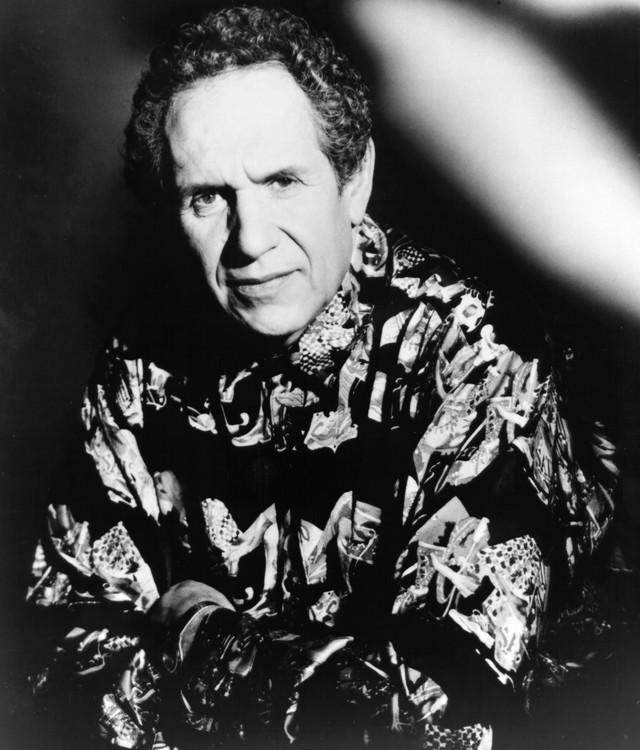
Gérard Berliner’s Spotify BioGerard Berliner is a French singer, composer, and actor who is best known for his 1982 summer hit "Louise." Born in Paris, France, on January 5, 1956, he began his professional recording career in the late '70s with a couple relatively unsuccessful singles on Philips, "C'est la Vie à Vingt Ans" (1978) and "L'Amitié Après l'Amour" (1979). In 1980-1981 he adopted the monikers Toto de Miramar and Gino Lorenzi for a few more relatively unsuccessful singles: "Une Nana Pour Noël" (1980) and "Un Mec Pour l'Été" (1981) as the former, "L'Amore Perdonera" (1980) as the latter. Then in 1982, after reverting back to his born name, he scored the breakout hit "Louise" on the label Carrère. Co-written with frequent collaborator Frank Thomas, the song was one of the most popular French hit singles of summer 1982. Subsequent singles released on Carrère include "Voleur de Maman" (1982), "Je Porte Ma Vie" (1983), "C'Était Pas Moi" (1984), and "La Maladie" (1985), though none came close to rivaling the… success of "Louise." Also minor hits at best were subsequent singles released on the WEA subsidiary Flarenasch such as "Comme des Millions d'Histoires d'Amour" (1986), "Où Es-tu?" (1987), "Le Messager" (1988), and "L'Amour de l'Amour" (1990). In addition to these singles, there was a series of accompanying full-length albums including Voleur de Maman (1982), Je Porte Ma Vie (1983), La Mémoire Profane (1984), De Toi à Moi (1990), Le Vertige des Fleurs (1992), Chien de Voyou (1994), and Heureux (1997). In subsequent years, after leaving pop music behind, Berliner found success in the theater, in particular with his musical production Mon Alter Hugo, whose success spawned the album Berliner Chante Victor Hugo (2006). In the wake of his theatrical success, Berliner released the album Aimer C'est Plus Que Vivre (2008). ~ Jason Birchmeier, Rovi
Viberate is a music analytics platform built for A&Rs, artist managers, labels, booking agents, marketers, and artists.
It helps music professionals track artist growth, analyze audience data, monitor playlist activity, compare artists, follow song performance, and identify opportunities across the music market.
Public artist pages provide a free preview of selected artist data. Paid plans provide access to deeper analytics, historical data, charts, comparisons, playlist tools, exports, alerts, reports, and additional professional features.
Yes. Public Viberate artist pages provide selected artist analytics and music data for free.
Viberate also offers a 7-day free trial of the full platform. A credit card is required to start the trial. The trial includes access to the complete product so users can test deeper artist analytics, historical views, playlist insights, comparisons, charts, exports, alerts, and reporting features before choosing a paid plan.
Viberate provides artist analytics across streaming, playlists, social media, video, radio airplay, songs, and audience markets.
Users can analyze Spotify performance, Spotify and Apple Music playlists, YouTube activity, TikTok and Instagram growth, radio spins, song performance, audience locations, demographics, rankings, and overall artist momentum.
Artist profiles also connect to music charts, similar artists, and comparison tools, helping users benchmark performance and evaluate artists in context.
Viberate updates key artist and track data daily.
For followed artists and tracks, selected data is refreshed multiple times per day. This helps teams monitor playlist changes, streaming movement, audience growth, releases, and campaign performance with more current data.
Update frequency can vary depending on the metric and data source.
Yes. Viberate lets users compare up to five artists side by side across streaming, social media, audience, and engagement metrics.
Users can compare fanbase growth, audience demographics, locations, Spotify performance, social metrics, and other artist data over selected time periods.
Artist comparison can be used for A&R scouting, benchmarking, booking decisions, campaign planning, and evaluating artists with similar audiences or market positions.