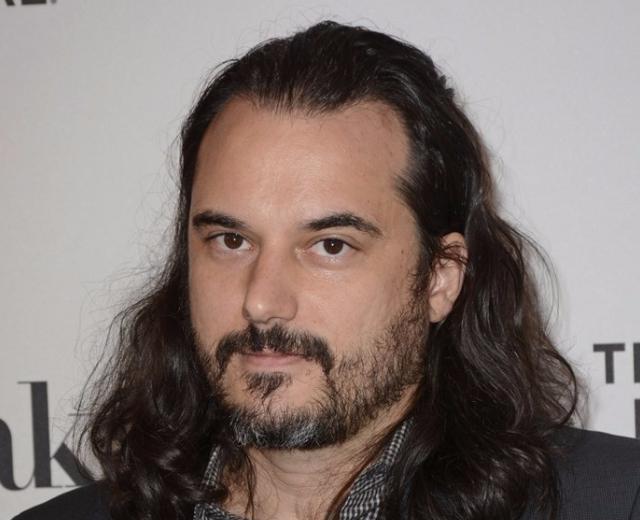
Geoff Barrow

Rock
Pop Rock
Ambient
 Viberate Rank: 117701
 Viberate Rank: 117701
 Monthly ListenersFollowers
 Subscribers
 Followers
 Followers
 FansTop Spotify Songs
| Track | 7-Day Streams | |
|---|---|---|
1 | 10.19K | |
2 | 9.77K | |
3 | 8.70K | |
4 | 5.05K | |
5 | 4.17K |
Top YouTube VideosMonthly ListenersFeatured in Playlists| Playlist | Followers | |
|---|---|---|
1 |  Atmospheric Sci-fi Soundtracks Spotify | 760.61K |
2 |  New Soundtracks Spotify | 335.07K |
3 |  Best of Movie, TV & Game Soundtracks by GuiguiF Guillaume Flahaut | 53.67K |
4 |  Nearer - An Ethel Cain Playlist Hayden Horner | 43.69K |
5 |  Watch Dogs 2 PlayStation®️ | 33.73K |
Audience| City | Monthly Listeners | |
|---|---|---|
1 | | 1.93K |
2 |  | 1.29K |
3 | | 1.13K |
4 |  | 1.01K |
5 | | 999 |
See full performance history, audience data, playlist activity, rankings, comparisons, and more in Viberate music analytics. Start with a free trial, then continue with a paid plan.
Geoff Barrow’s Spotify BioProducer/multi-instrumentalist Geoff Barrow may be best known as a founding member of Portishead, but he tackled many other projects in addition to that trailblazing group. Before Portishead formed in 1991, Barrow worked at Bristol, England's Coach House studio, where he met Massive Attack and then Tricky, producing the rapper's track for a sickle cell charity album. During that time, Barrow's reputation as a remix producer grew as he worked on tracks by Primal Scream, Paul Weller, Gabrielle, and Depeche Mode. After he met singer Beth Gibbons in 1991, the pair began writing songs together with guitarist Adrian Utley, who eventually became the group's third member. Portishead's short film To Kill a Dead Man, which featured the group's music and Gibbons and Barrow as actors, attracted the attention of Go! Records, who signed the band and released its debut, Dummy, in 1994. Dummy earned near-instant unanimous acclaim in the U.K., including the Mercury Music Prize. Soon after winning that… award, Barrow began work on Portishead's second, self-titled album, which surfaced in 1997 and was followed by the live album PNYC in 1998.
The band went on hiatus in 1999, allowing Barrow more time to work on other projects. He formed the Invada label in 2001 and did a lot of production work, some of it with Utley, such as Stephanie McKay's 2003 album McKay and the Coral's 2005 album The Invisible Invasion, and some on his own. Portishead returned in 2005, and after playing their first live dates in seven years, began working on their third album. Simply titled Third, it appeared in 2008 and was some of their most challenging music to date. That year, Barrow played with bassist Billy Fuller and keyboardist Matt Williams at a jam session during Invada's Christmas party and formed the dub-meets-Krautrock outfit Beak> early in 2009. They recorded their debut album in 12 days with a strict set of rules: the trio members recorded all of their parts in the same room, and no overdubbing was allowed. BEAK> arrived in late 2009. That year, Barrow also co-produced the Horrors' critically acclaimed second album, Primary Colours; soon after, he met and signed the German political journalist-turned-post-punk singer Anika, with whom Beak> recorded her 2010 debut album, First Lady of Invada.
Around this time, Barrow also started work on two other projects: Quakers, an underground hip-hop collective that featured Invada Records producers 7-Stu-7 and Katalyst, as well as over 30 MCs who spanned talented underground rappers, golden-age hip-hop veterans, and a wealth of Stones Throw artists; and Drokk, a collaboration with composer Ben Salisbury inspired by the long-running comic strip Judge Dredd. Quakers' self-titled album and Drokk: Music Inspired by Mega-City One both arrived in early 2012, shortly before a new Beak> album, >>, was released. The following year, Barrow reunited with Salisbury for the music to Alex Garland's artificial intelligence thriller Ex Machina; the score was released in 2015. In 2016, Invada issued the pair's music for "Men Against Fire," an episode from the third season of the cult favorite TV show Black Mirror. Salisbury and Barrow also collaborated on the score to Ben Wheatley's 2016 film Free Fire as well as the music for the 2017 Garland film Annihilation. ~ Heather Phares, Rovi
Viberate is a music analytics platform built for A&Rs, artist managers, labels, booking agents, marketers, and artists.
It helps music professionals track artist growth, analyze audience data, monitor playlist activity, compare artists, follow song performance, and identify opportunities across the music market.
Public artist pages provide a free preview of selected artist data. Paid plans provide access to deeper analytics, historical data, charts, comparisons, playlist tools, exports, alerts, reports, and additional professional features.
Yes. Public Viberate artist pages provide selected artist analytics and music data for free.
Viberate also offers a 7-day free trial of the full platform. A credit card is required to start the trial. The trial includes access to the complete product so users can test deeper artist analytics, historical views, playlist insights, comparisons, charts, exports, alerts, and reporting features before choosing a paid plan.
Viberate provides artist analytics across streaming, playlists, social media, video, radio airplay, songs, and audience markets.
Users can analyze Spotify performance, Spotify and Apple Music playlists, YouTube activity, TikTok and Instagram growth, radio spins, song performance, audience locations, demographics, rankings, and overall artist momentum.
Artist profiles also connect to music charts, similar artists, and comparison tools, helping users benchmark performance and evaluate artists in context.
Viberate updates key artist and track data daily.
For followed artists and tracks, selected data is refreshed multiple times per day. This helps teams monitor playlist changes, streaming movement, audience growth, releases, and campaign performance with more current data.
Update frequency can vary depending on the metric and data source.
Yes. Viberate lets users compare up to five artists side by side across streaming, social media, audience, and engagement metrics.
Users can compare fanbase growth, audience demographics, locations, Spotify performance, social metrics, and other artist data over selected time periods.
Artist comparison can be used for A&R scouting, benchmarking, booking decisions, campaign planning, and evaluating artists with similar audiences or market positions.