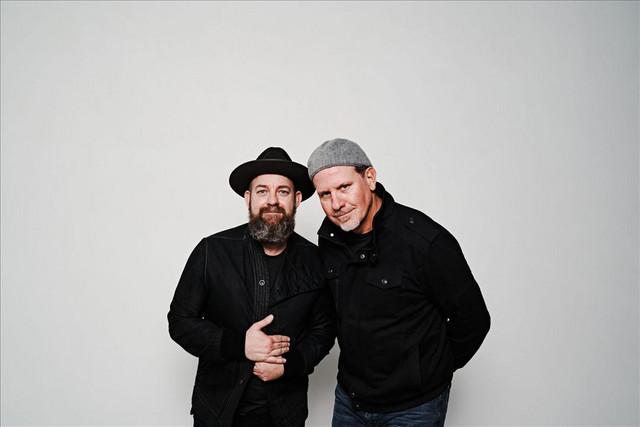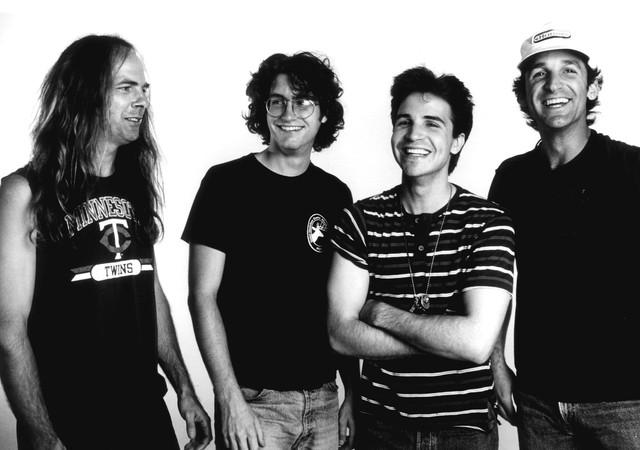
Gear Daddies

Country
Americana/Alt Country
 Viberate Rank: 224049
 Viberate Rank: 224049
 Monthly ListenersFollowers
 Subscribers
 Followers
 Followers
 FansTop Spotify Songs
| Track | 7-Day Streams | |
|---|---|---|
1 | 3.10K | |
2 | 2.47K | |
3 | 1.26K | |
4 | 1.23K | |
5 | 1.00K |
Top YouTube VideosMonthly ListenersFeatured in Playlists| Playlist | Followers | |
|---|---|---|
1 |  Greatest Hits of All Time DJ-on | 25.78K |
2 |  BOATING! buzzardboater | 7.04K |
3 |  Adult Music for Kids Too Kirksterama | 5.01K |
4 |  Nostalgia 99X Atlanta jclark1234 | 2.86K |
5 |  History of Power Pop Luthercal | 2.00K |
Audience| City | Monthly Listeners | |
|---|---|---|
1 | | 1.76K |
2 | | 538 |
3 | | 537 |
4 | | 415 |
5 | | 231 |
See full performance history, audience data, playlist activity, rankings, comparisons, and more in Viberate music analytics. Start with a free trial, then continue with a paid plan.
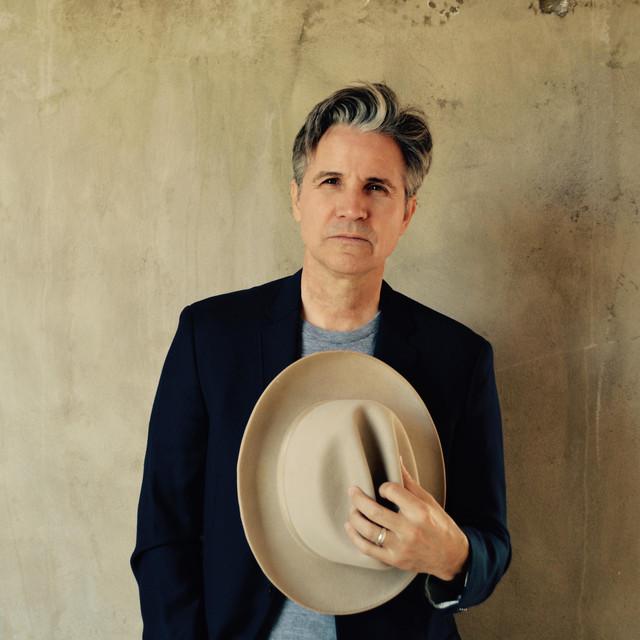
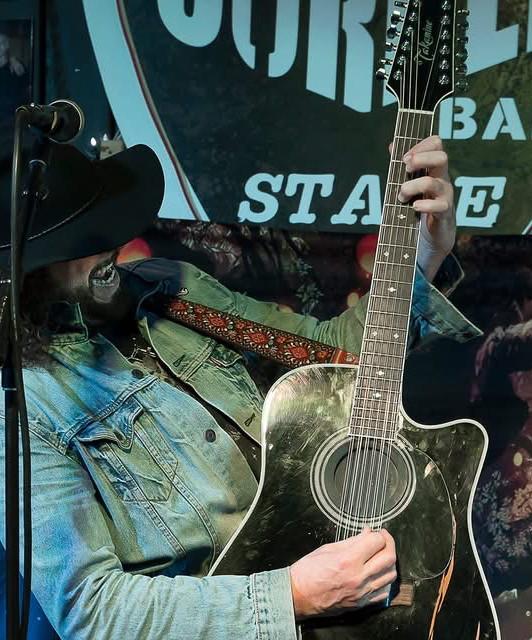
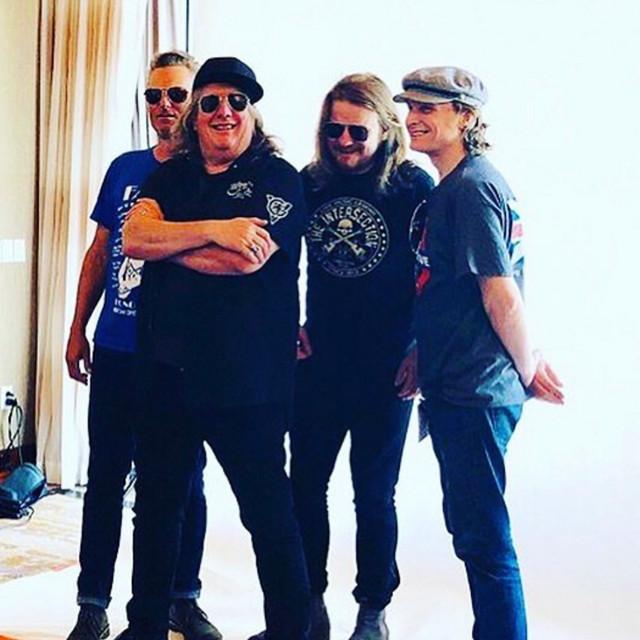
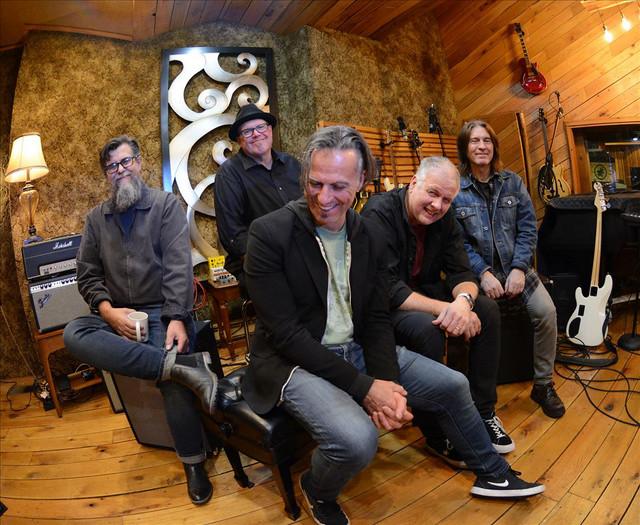
Gear Daddies’ Spotify BioPlenty of alt-country bands have hailed from Austin, Texas, but the Gear Daddies were that rarity, a group playing twangy, rootsy rock & roll from Austin, Minnesota. Proud Midwesterners the Gear Daddies were formed in 1984 by Martin Zellar on lead vocals, guitar, and harmonica; Randy Broughten on electric guitar and pedal steel; Nick Ciola on bass; and Billy Dankert on drums and vocals. The band made its reputation through live work, and as Zellar told reporter Jason Schoonover, "I played every bar and service club, prom and homecoming in southeastern Minnesota, northern Iowa." The Gear Daddies pulled up stakes and moved to Minneapolis, where they made a name for themselves on the town's lively independent rock scene. In 1987, they issued their debut single, "She's Happy" b/w "2-18," through the Minneapolis-based indie label Gark Records. In 1998, Gark brought out the Gear Daddies' first full-length album, Let's Go Scare Al, and enthusiastic regional press led to the group signing a… major-label deal with Polydor Records, which reissued the LP in 1989. In 1990, Polydor issued the second Gear Daddies album, Billy's Live Bait. The band's touring in support of the album included a stop on Late Night with David Letterman, where Zellar and Broughten sat in with the house band to perform "Stupid Boy." The CD edition of Billy's Live Bait included a hidden track, "(I Wanna Drive The) Zamboni," and while it was never released as a single, in time it became the Gear Daddies' best-known song, played frequently at hockey games and appearing in the movies Mystery, Alaska and D2: The Mighty Ducks. Despite frequent touring, the Gear Daddies never broke through to a mainstream audience, and in 1992 the bandmembers amicably parted ways, marking their passing with the release of a collection of studio outtakes and live tracks, Can't Have Nothin' Nice. Zellar went on to a solo career with his group Martin Zellar & the Hardways, while Randy Broughten plays with the bands Trailer Trailer and the Cactus Blossoms. In 2010, the Gear Daddies staged a handful of reunion shows, and since then have played a few shows each year for their fans in the Midwest. ~ Mark Deming, Rovi
Viberate is a music analytics platform built for A&Rs, artist managers, labels, booking agents, marketers, and artists.
It helps music professionals track artist growth, analyze audience data, monitor playlist activity, compare artists, follow song performance, and identify opportunities across the music market.
Public artist pages provide a free preview of selected artist data. Paid plans provide access to deeper analytics, historical data, charts, comparisons, playlist tools, exports, alerts, reports, and additional professional features.
Yes. Public Viberate artist pages provide selected artist analytics and music data for free.
Viberate also offers a 7-day free trial of the full platform. A credit card is required to start the trial. The trial includes access to the complete product so users can test deeper artist analytics, historical views, playlist insights, comparisons, charts, exports, alerts, and reporting features before choosing a paid plan.
Viberate provides artist analytics across streaming, playlists, social media, video, radio airplay, songs, and audience markets.
Users can analyze Spotify performance, Spotify and Apple Music playlists, YouTube activity, TikTok and Instagram growth, radio spins, song performance, audience locations, demographics, rankings, and overall artist momentum.
Artist profiles also connect to music charts, similar artists, and comparison tools, helping users benchmark performance and evaluate artists in context.
Viberate updates key artist and track data daily.
For followed artists and tracks, selected data is refreshed multiple times per day. This helps teams monitor playlist changes, streaming movement, audience growth, releases, and campaign performance with more current data.
Update frequency can vary depending on the metric and data source.
Yes. Viberate lets users compare up to five artists side by side across streaming, social media, audience, and engagement metrics.
Users can compare fanbase growth, audience demographics, locations, Spotify performance, social metrics, and other artist data over selected time periods.
Artist comparison can be used for A&R scouting, benchmarking, booking decisions, campaign planning, and evaluating artists with similar audiences or market positions.