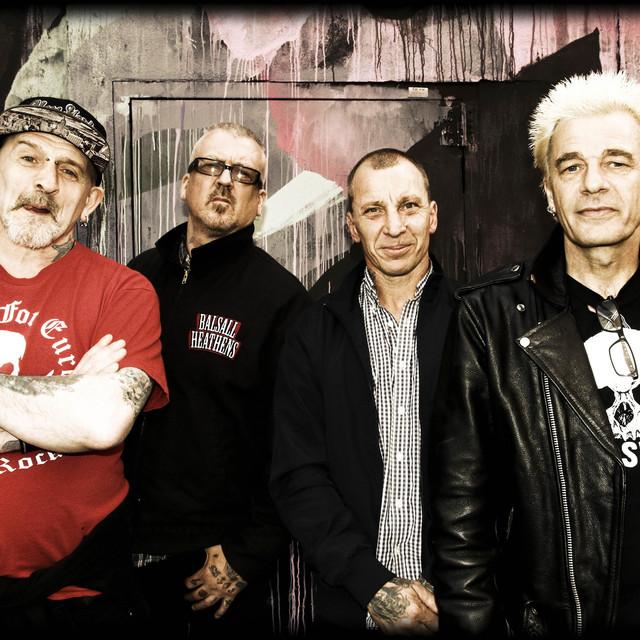
GBH

Punk
Hardcore Punk
Punk Rock
 Viberate Rank: 53391
 Viberate Rank: 53391
 Monthly ListenersFollowers
 Subscribers
 Followers
 Followers
 FansTop Spotify Songs
| Track | 7-Day Streams | |
|---|---|---|
1 | 12.58K | |
2 | 8.66K | |
3 | 5.38K | |
4 | 4.52K | |
5 | 3.94K |
Top YouTube VideosMonthly ListenersFeatured in Playlists| Playlist | Followers | |
|---|---|---|
1 |  Punk Classics Filtr Legacy Sweden | 73.27K |
2 |  High Fidelity Official Playlist Danito | 47.69K |
3 | Tony Hawk Pro Skater! bhhsmith | 43.06K |
4 | 12155857677 | 34.56K |
5 |  FENRIZ METAL Gylve | 32.35K |
Audience| City | Monthly Listeners | |
|---|---|---|
1 |  | 2.39K |
2 |  | 1.83K |
3 |  | 1.41K |
4 |  | 1.05K |
5 |  | 905 |
See full performance history, audience data, playlist activity, rankings, comparisons, and more in Viberate music analytics. Start with a free trial, then continue with a paid plan.
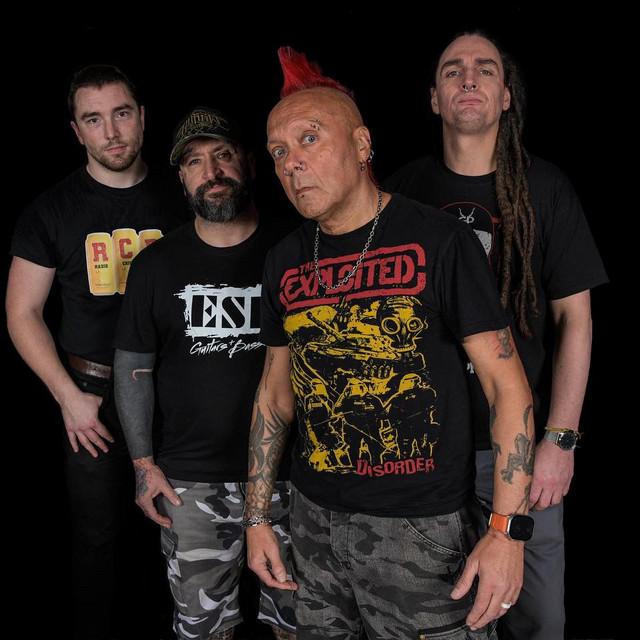
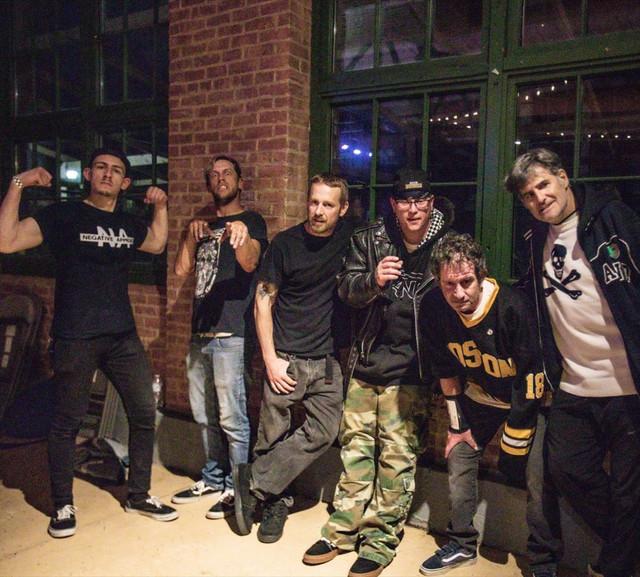
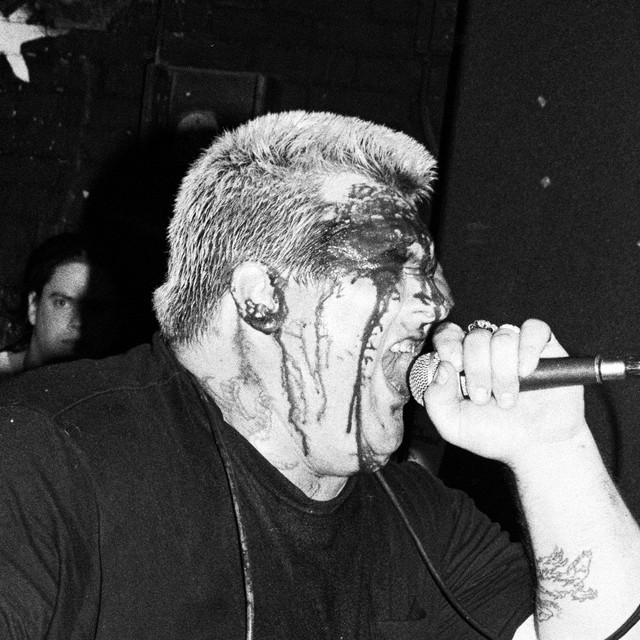
GBH’s Spotify BioOne of the key bands of the street punk scene that gave a second wind to the U.K. punk rock scene, G.B.H. (also known as Charged G.B.H.) were also one of the first bands to add a strong heavy metal influence to punk rock, and would be cited as an influence by Metallica and Rancid. Hailing from Birmingham, England, G.B.H. were formed in 1978 by lead singer Colin Abrahall, guitarist Colin "Jock" Blyth, bassist Sean McCarthy, and drummer Andrew "Wilf" Williams. The band's name comes from the British legal term "Grievous Bodily Harm," with which bassist McCarthy had been charged. McCarthy was not long in the group, and Ross Lomas took over on bass by the end of their first year. Playing hard and fast, and with no fear of rude or controversial lyrics, Charged G.B.H. first made their name touring throughout the U.K., and after striking a deal with Clay Records, they made their recording debut in 1981, with the EP Leather, Bristles, Studs, and Acne. In 1982, the group issued their first… album, City Baby Attacked by Rats, which was followed by more touring, including their first visit to the United States. Charged G.B.H. brought out their follow-up, City Baby's Revenge: 101 Ways to Kill a Rat, in 1983, and in 1986, they released Midnight Madness and Beyond, their first album for Rough Justice Records, by which time they'd shortened their name to G.B.H. That same year, drummer Williams dropped out of the group, and Kai Reder, formerly of the band Napalm, became G.B.H.'s new drummer. No Need to Panic followed in 1987, and A Fridge Too Far arrived in 1989. In 1992, Joseph "Fish" Montanaro became G.B.H.'s new drummer (he would last until 1994, when Scott Preece took over behind the traps), and while many of the major street punk and Oi! bands of the '80s were maintaining a low profile (if they were still around at all), G.B.H. remained active. The group released a steady stream of live and studio albums and toured regularly throughout the '90s and into the new millennium, continuing to give their fans what they wanted. During this period, thrash metal bands like Metallica and Slayer were citing G.B.H. as an influence, helping the band find a new audience. In 2010, Lars Fredericksen of Rancid, a longtime G.B.H. fan, gave the veteran punks a bit of payback by releasing their album Perfume and Piss on his Hellcat Records label. In 2017, nearly 40 years after they first formed, G.B.H. demonstrated their longevity with the release of a studio album for Hellcat, Momentum. ~ Mark Deming, Rovi
Viberate is a music analytics platform built for A&Rs, artist managers, labels, booking agents, marketers, and artists.
It helps music professionals track artist growth, analyze audience data, monitor playlist activity, compare artists, follow song performance, and identify opportunities across the music market.
Public artist pages provide a free preview of selected artist data. Paid plans provide access to deeper analytics, historical data, charts, comparisons, playlist tools, exports, alerts, reports, and additional professional features.
Yes. Public Viberate artist pages provide selected artist analytics and music data for free.
Viberate also offers a 7-day free trial of the full platform. A credit card is required to start the trial. The trial includes access to the complete product so users can test deeper artist analytics, historical views, playlist insights, comparisons, charts, exports, alerts, and reporting features before choosing a paid plan.
Viberate provides artist analytics across streaming, playlists, social media, video, radio airplay, songs, and audience markets.
Users can analyze Spotify performance, Spotify and Apple Music playlists, YouTube activity, TikTok and Instagram growth, radio spins, song performance, audience locations, demographics, rankings, and overall artist momentum.
Artist profiles also connect to music charts, similar artists, and comparison tools, helping users benchmark performance and evaluate artists in context.
Viberate updates key artist and track data daily.
For followed artists and tracks, selected data is refreshed multiple times per day. This helps teams monitor playlist changes, streaming movement, audience growth, releases, and campaign performance with more current data.
Update frequency can vary depending on the metric and data source.
Yes. Viberate lets users compare up to five artists side by side across streaming, social media, audience, and engagement metrics.
Users can compare fanbase growth, audience demographics, locations, Spotify performance, social metrics, and other artist data over selected time periods.
Artist comparison can be used for A&R scouting, benchmarking, booking decisions, campaign planning, and evaluating artists with similar audiences or market positions.